The Gewo Journal

Health knowledge,
from doctors.

Explore practical, patient-friendly guidance published by doctors in the Gewo care network. No account is required to read.

107 published articles

Latest thinking

All doctor blogs

13
Wellness4 min read

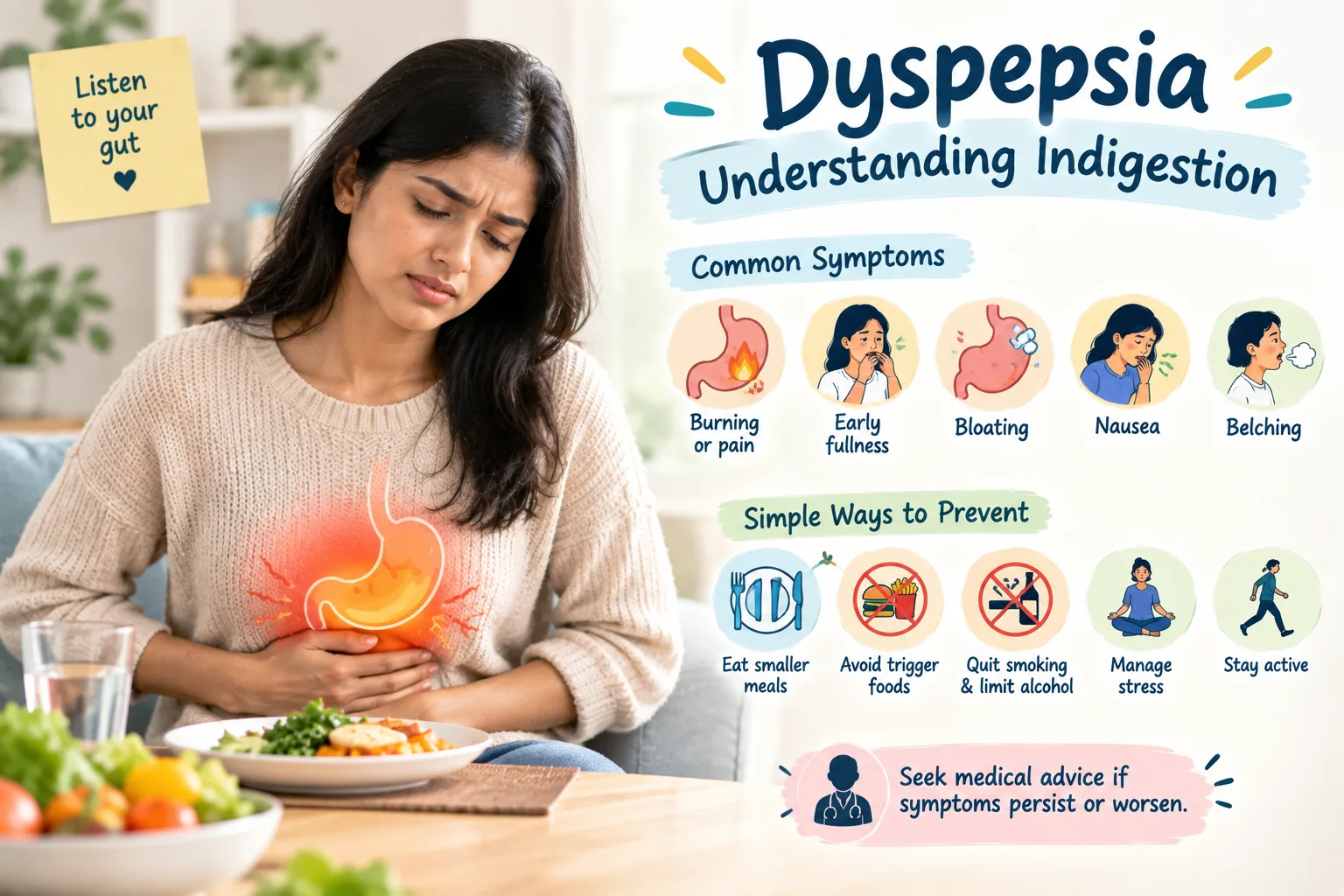
Dyspepsia: Understanding Indigestion

Dyspepsia, commonly known as indigestion, causes discomfort in the upper abdomen and may include burning, pain, early fullness, bloating, nausea, or belching. Symptoms can be linked to functional dyspepsia, H. pylori infection, ulcers, reflux, certain medicines, food triggers, or stress. Eating smaller meals, avoiding personal triggers, staying active, and managing stress may help. Persistent or recurrent symptoms should be evaluated by a healthcare professional.


16
Mental Health4 min read

Autism Spectrum Disorder: Understanding Signs, Support, and Care

Autism Spectrum Disorder (ASD) is a neurodevelopmental condition that can affect communication, social interaction, sensory processing, learning, and behaviour. Every autistic person is different, with unique strengths and support needs. Early recognition and personalised support can improve communication, independence, participation, and quality of life. Autism is not caused by poor parenting or vaccines.

17
Mental Health4 min read

Women’s health after 30

After 30, women may experience gradual changes in metabolism, hormones, fertility, muscle strength, and bone health. Fertility can decline with age, while lifestyle factors may influence weight, energy, and metabolic health. A balanced diet rich in protein, calcium, iron, and essential nutrients, combined with regular walking and strength training, supports wellness. Routine health checks and age-appropriate screenings help identify concerns early and encourage healthier choices also.

19
Fitness4 min read

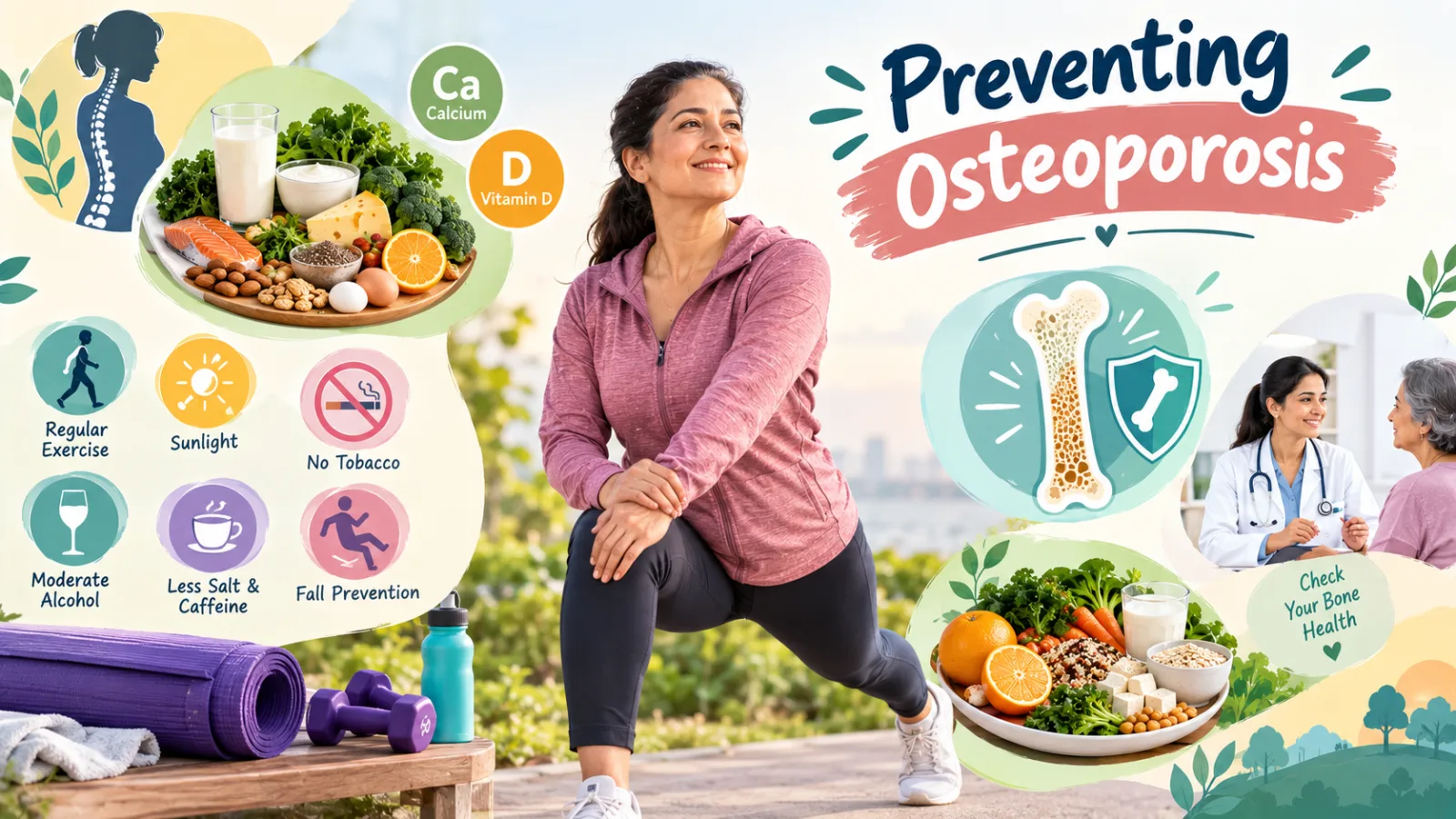
Preventing Osteoporosis

Osteoporosis makes bones weak, thin, and more likely to fracture, especially in the hips, spine, and wrists. Women face increased risk after menopause as estrogen levels decline. Prevention focuses on adequate calcium and vitamin D, regular weight-bearing and strength exercises, staying physically active, avoiding tobacco, limiting alcohol, and reducing fall risks. A balanced diet and timely bone health assessment can help protect bone strength and support healthy aging.

21
Wellness4 min read

Menopause basics:

Menopause is a natural stage of life marked by declining ovarian hormones and the permanent end of menstrual periods. It may bring hot flashes, night sweats, sleep problems, mood changes, vaginal dryness, and changes in bone and heart health. Understanding perimenopause, menopause, and postmenopause helps women prepare for these changes. A balanced diet, exercise, healthy habits, and timely medical guidance can support wellbeing and quality of life throughout the menopause transition.

22
Nutrition4 min read

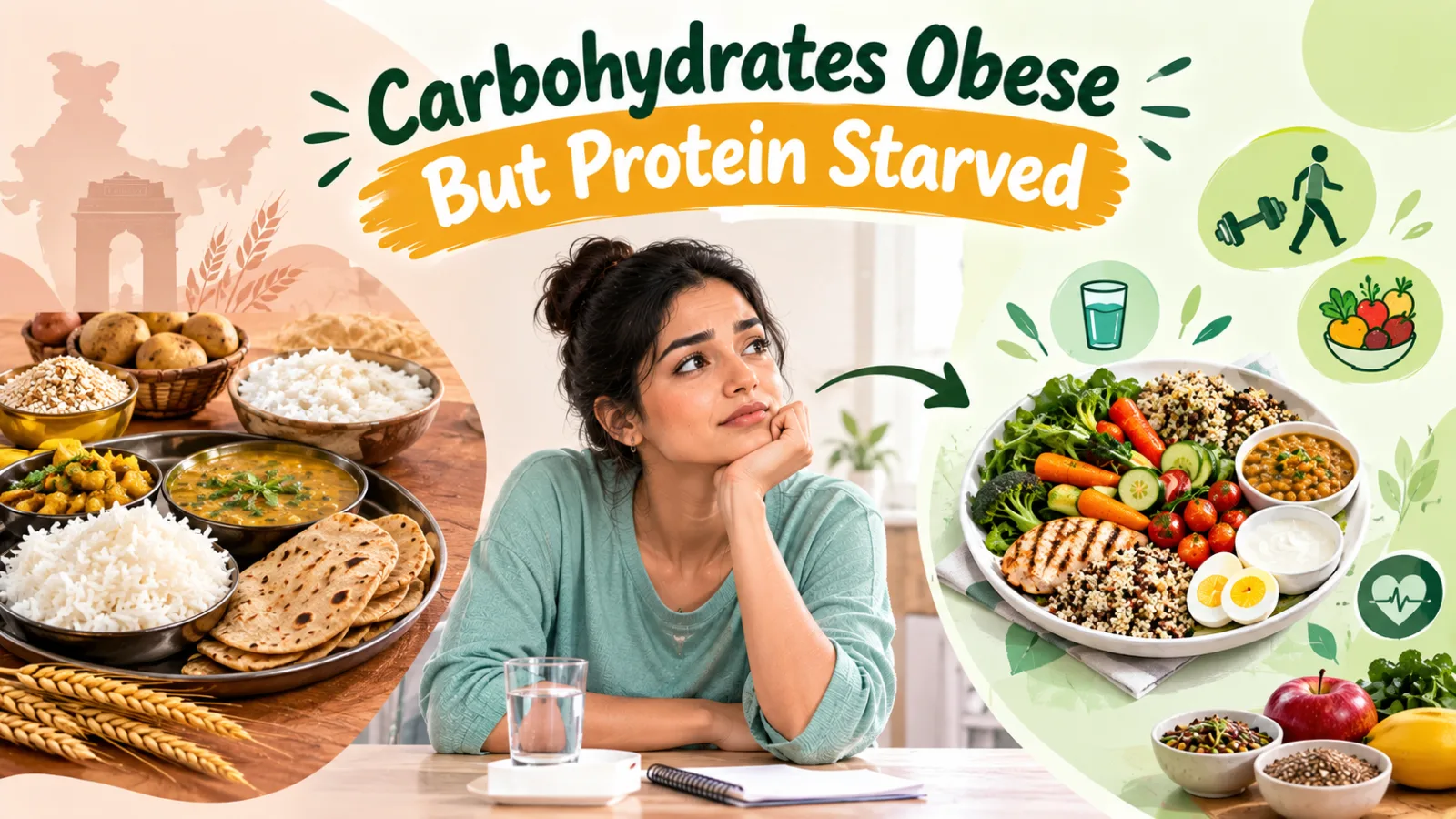
Carbohydrates obese but protein starved

India’s traditional carbohydrate-rich diet has evolved through history, affordability, food availability, and cultural habits. However, modern sedentary lifestyles can make excessive refined carbohydrates and inadequate protein a concern, contributing to obesity, diabetes, and muscle loss. The solution is not to eliminate carbs but to create balance—choose whole grains, add protein-rich foods, increase vegetables and fiber, control portions, stay active, and seek regular health checkups.

23
Nutrition4 min read

Calcium rich food

Calcium is essential for strong bones and teeth, but its role goes far beyond skeletal health. It supports muscle contraction, nerve function, blood clotting, heart rhythm, and hormone activity. Include calcium-rich foods such as milk, yogurt, cheese, ragi, tofu, leafy greens, sesame, chia seeds, almonds, fish, and eggs. Pair calcium with vitamin D and balanced meals to support absorption and bone health. A balanced diet can help prevent deficiency, fractures, and weak bones. long-term