Fitness
Preventing Osteoporosis
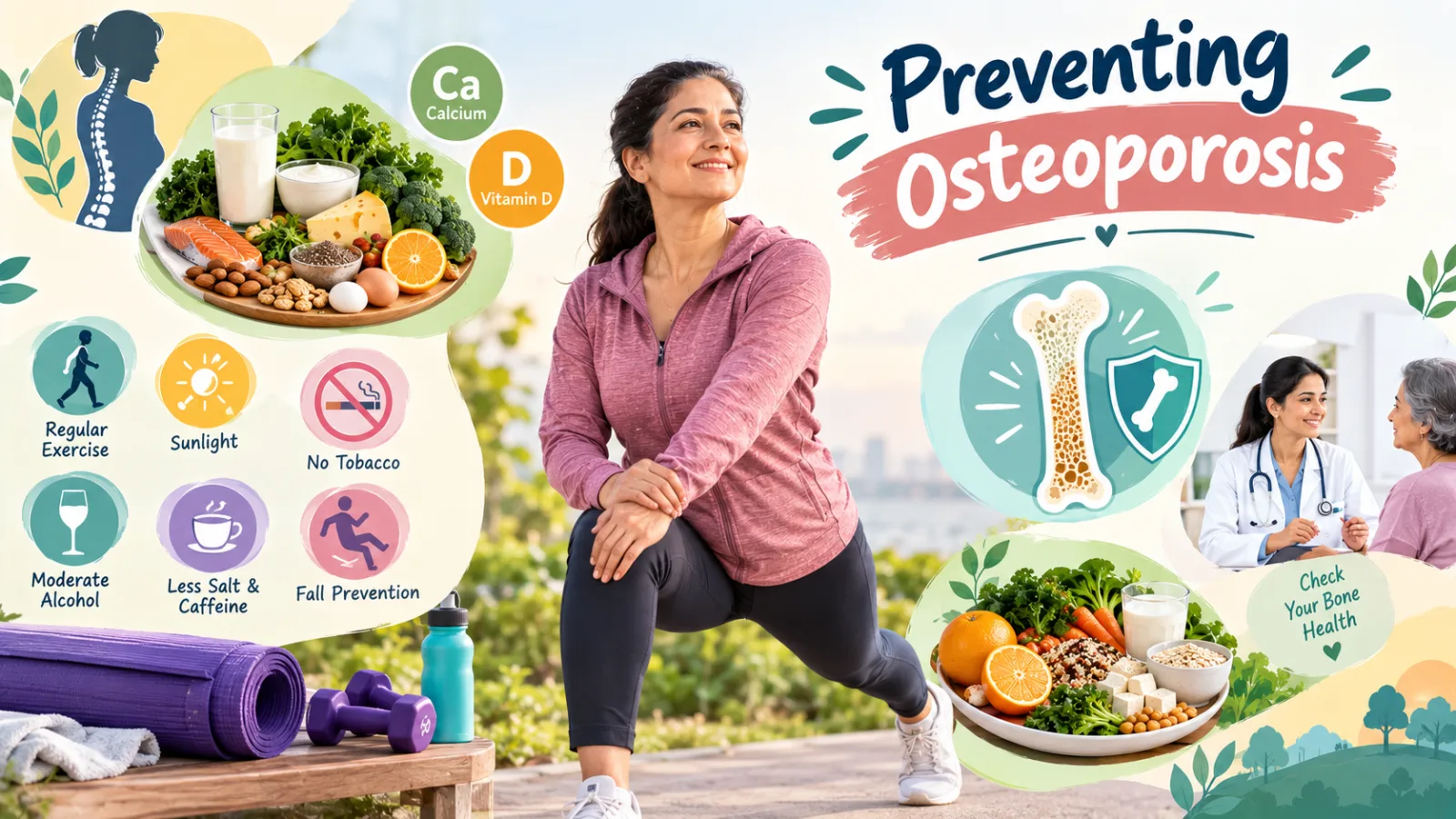
Osteoporosis makes bones weak, thin, and more likely to fracture, especially in the hips, spine, and wrists. Women face increased risk after menopause as estrogen levels decline. Prevention focuses on adequate calcium and vitamin D, regular weight-bearing and strength exercises, staying physically active, avoiding tobacco, limiting alcohol, and reducing fall risks. A balanced diet and timely bone health assessment can help protect bone strength and support healthy aging.
Osteoporosis is defined as low bone mass, porous bones and structural deterioration leading to increased fracture risk, and is a major health problem affecting over 50 million Indians. It weakens bone density, and makes them thinner and fragile. The main function of bones is to be able support skeletal and muscular framework by rendering growth. In a patient with osteoporosis, fracture of hips, wrist and spine are at a higher risk. Osteoporosis can be clinically silent, and without prevention and screening, the costs of osteoporotic fracture and its related morbidity and mortality may burden healthcare systems across the world.
Causes and diagnosis:
Bone loss related to declining estrogen levels increases fracture risk in postmenopausal women, making up the majority of osteoporosis cases. A biological family history of osteoporosis, naturally thin or have a smaller frame, smoke or use tobacco products, no exposure to enough vitamin D, physically inactive, regularly drink alcohol like having more than two drinks per day may increase the risk of osteoporosis. Health conditions such as hyperthyriodism, inflammatory disorders, autoimmune disorders affecting bones, prolonged usage of corticosteriods contribute to the risk factors. Diagnosis is done under the guidance of a healthcare professional with bone density tests, X-rays, scans, and blood mineral levels. Regular bone density tests are done in cases of family history of osteoporosis, women over 50, history of low bone mineral density, women in postmenopause.
Lifestyle modifications:
Strategies include adequate combined calcium and vitamin D intake while calcium alone has not been shown to reduce fractures,vitamin A intake with foods like carrot, sweet potatoes, meat, milk, eggs, mushrooms, mangoes, pumpkins, weight-bearing exercises, non sedentary lifestyle, tobacco avoidance, moderate alcohol,salt and caffeine intake, avoidance of trip or fall hazards. Weight-bearing and muscle-strengthening exercise is recommended for osteoporosis prevention because it improves agility, posture, balance, and strength to prevent falls. Combination exercise programs are the most effective for the spine. Correcting vision and hearing, removing trip or fall hazards, evaluating suspected neurologic problems, avoiding medications that cause imbalance, and advising hip pad protectors for those with significant risk can prevent fractures or frequent falls. Dietary sources such as fish, milk, cereals, soy, tofu, chickpeas, oranges can support better bone health. Consult a healthcare professional if any of the symptoms are persistent.
Gewo health:
Seek professional support at Gewo, if you are undergoing menopause, or are at a higher risk of osteoporosis.


