Health Tips
Understanding Communication Disorders: A Patient-Friendly Guide
Communication disorders can affect speech, language, voice, fluency, social communication, or swallowing, making it difficult to express or understand information. They may occur during childhood or develop later due to hearing loss, neurological conditions, injury, or other causes. Early recognition and professional assessment can support better outcomes
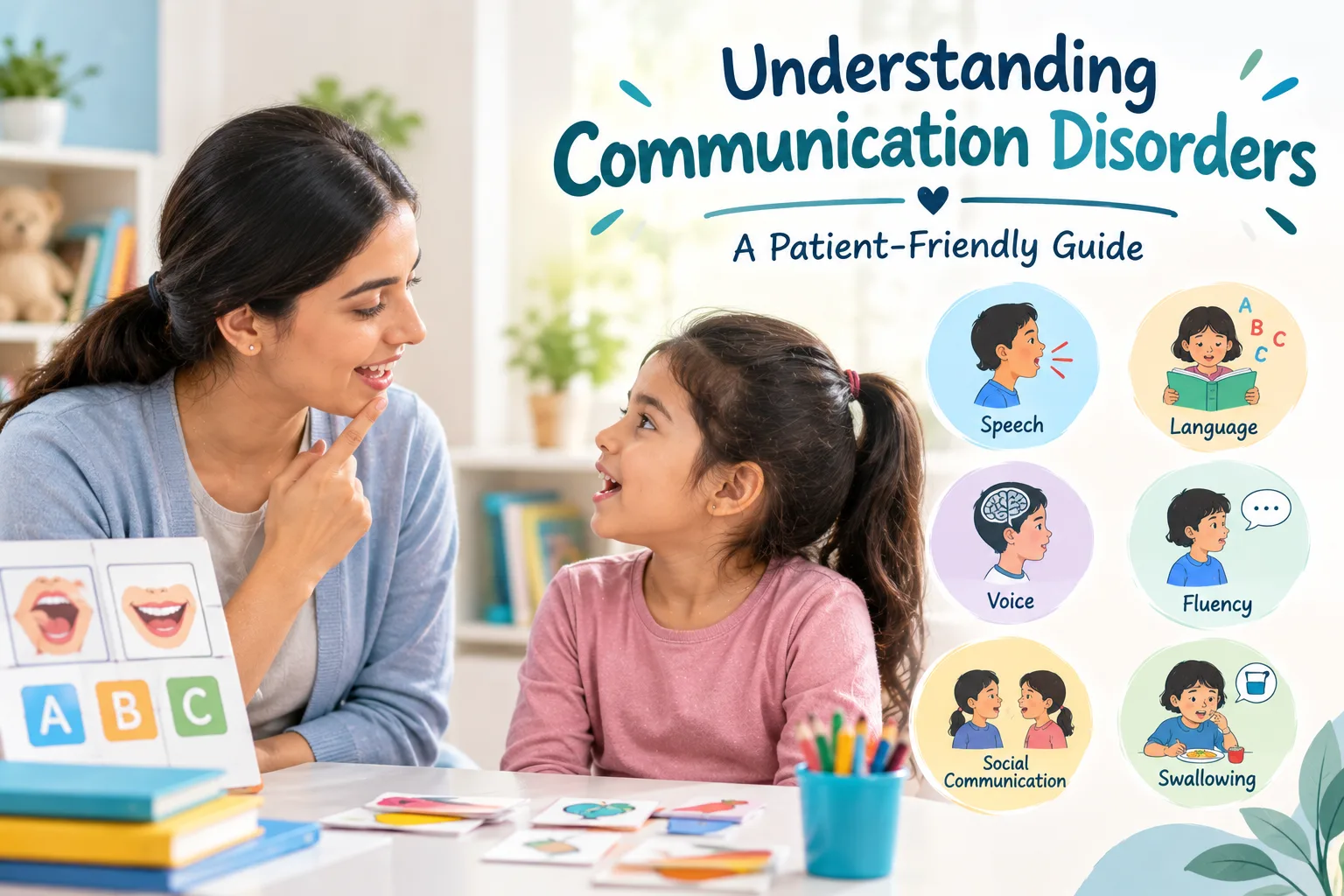
Communication disorders affect how people speak, understand language, read, write, or use social communication skills. They can occur at any age and range from mild to severe, but with early recognition and appropriate support, many individuals make meaningful progress
Introduction:
Communication is essential for learning, working, building relationships, and expressing needs. A communication disorder is a condition that interferes with a person's ability to receive, send, process, or comprehend concepts or verbal, nonverbal, and graphic symbol systems. These disorders may involve speech (how sounds and words are produced), language (understanding and using words), voice (quality, pitch, or loudness), fluency (such as stuttering), or social communication (using language appropriately in social situations). While often identified in childhood, communication disorders can also develop later in life due to injury, illness, or neurological conditions. Early identification and intervention are key to improving outcomes and quality of life.
Symptoms:
Symptoms vary depending on the type and severity of the disorder, but common signs include:
● Speech difficulties: Trouble pronouncing sounds, slurred or unclear speech, or speech that is hard for others to understand.
● Language challenges: Difficulty finding the right words, forming sentences, following directions, or understanding what others say.
● Fluency issues: Stuttering, repeating sounds or words, or noticeable tension when speaking.
● Voice problems: Persistent hoarseness, weak voice, or voice that sounds strained or breathy for more than two weeks.
● Social communication struggles: Trouble taking turns in conversation, staying on topic, or reading social cues.
● Swallowing difficulties: Choking during meals, trouble swallowing food or liquids, or frequent coughing while eating. In children, red flags include not using words by 16 months, not combining two words by age 2, or speech that strangers cannot understand by age 3-4. Loss of previously acquired language skills at any age is a serious warning sign that needs prompt evaluation.
Causes and Risk Factors:
Communication disorders can arise from many sources:
● Developmental factors: Some children are born with or develop speech-language delays without a clear cause. Genetics and family history may play a role.
● Hearing loss: Even mild or fluctuating hearing problems can affect speech and language development.
● Neurological conditions: Stroke, traumatic brain injury, Parkinson's disease, dementia, or other brain disorders can cause aphasia, dysarthria, or other communication problems.
● Structural issues: Cleft lip/palate, vocal cord nodules, or other physical abnormalities may affect speech or voice.
● Premature birth or low birth weight: These increase the risk of developmental delays, including communication disorders.
● Environmental factors: Limited language exposure, chronic ear infections, or significant psychosocial stress can contribute.
In adults, sudden speech changes, especially with weakness, confusion, or severe headache, may signal a stroke and require emergency care.
Prevention Tips:
Not all communication disorders can be prevented, but certain steps may reduce risk or support healthy development:
● Ensure hearing health: Regular hearing screenings for children and prompt treatment of ear infections.
● Early language exposure: Talk, read, and sing to infants and toddlers daily; respond to their attempts to communicate.
● Avoid vocal strain: Don't smoke or vape, limit throat clearing, stay hydrated, and take vocal rest breaks, especially for teachers, singers, or frequent speakers.
● Manage reflux: Avoid foods that trigger gastroesophageal reflux, which can irritate vocal cords.
● Stroke prevention: Control blood pressure, manage diabetes, avoid smoking, and maintain a healthy lifestyle to reduce stroke-related communication disorders.
● Use protective gear: Prevent head injuries with helmets during sports or risky activities.
When to Consult a Doctor?
Seek medical advice if you or your child experience:
● Speech or language delays compared to age-appropriate milestones.
● Persistent hoarseness or voice changes lasting more than two weeks.
● Stuttering that lasts more than 3–6 months, causes frustration, or includes visible tension.
● Difficulty being understood by strangers by age 3–4.
● Trouble following directions, expressing ideas, or participating in conversations.
● Swallowing problems, choking, or frequent coughing during meals.
Call emergency services immediately if speech problems appear suddenly with facial drooping, arm weakness, confusion, severe headache, vision changes, or loss of balance, these may indicate a stroke.
Treatment Awareness:
Treatment depends on the type and cause of the disorder and is often led by a speech-language pathologist (SLP). Options include:
● Speech therapy: Individual or group sessions to improve articulation, language, fluency, voice, or social communication.
● Medical management: Treating underlying conditions like hearing loss, reflux, or neurological disorders.
● Assistive devices: Communication boards, apps, or electronic aids for severe cases.
● Family involvement: Parents and caregivers learn strategies to support communication at home.
● School or workplace accommodations: Extra time, modified instructions, or alternative communication methods.
Early intervention especially before age 5-leads to better outcomes in children. Adults recovering from stroke or brain injury also benefit from timely, intensive therapy.
GEWO Health Message:
At GEWO Health, we believe clear communication is a cornerstone of well-being. If you notice persistent changes in speech, language, voice, or swallowing in yourself or a loved one, don't wait. Early evaluation by a qualified speech-language pathologist can make a significant difference. We encourage proactive hearing checks, vocal hygiene, and stroke-awareness as part of everyday health. Your voice matters; let's protect and nurture it together.
Medical Disclaimer:
This article is for general informational purposes only and does not constitute medical advice, diagnosis, or treatment. Always seek the guidance of a qualified healthcare provider with any questions regarding a medical condition. Never disregard professional medical advice or delay seeking care because of something you have read here. In case of a medical emergency, call your local emergency number immediately.


