Nutrition
Carbohydrates obese but protein starved
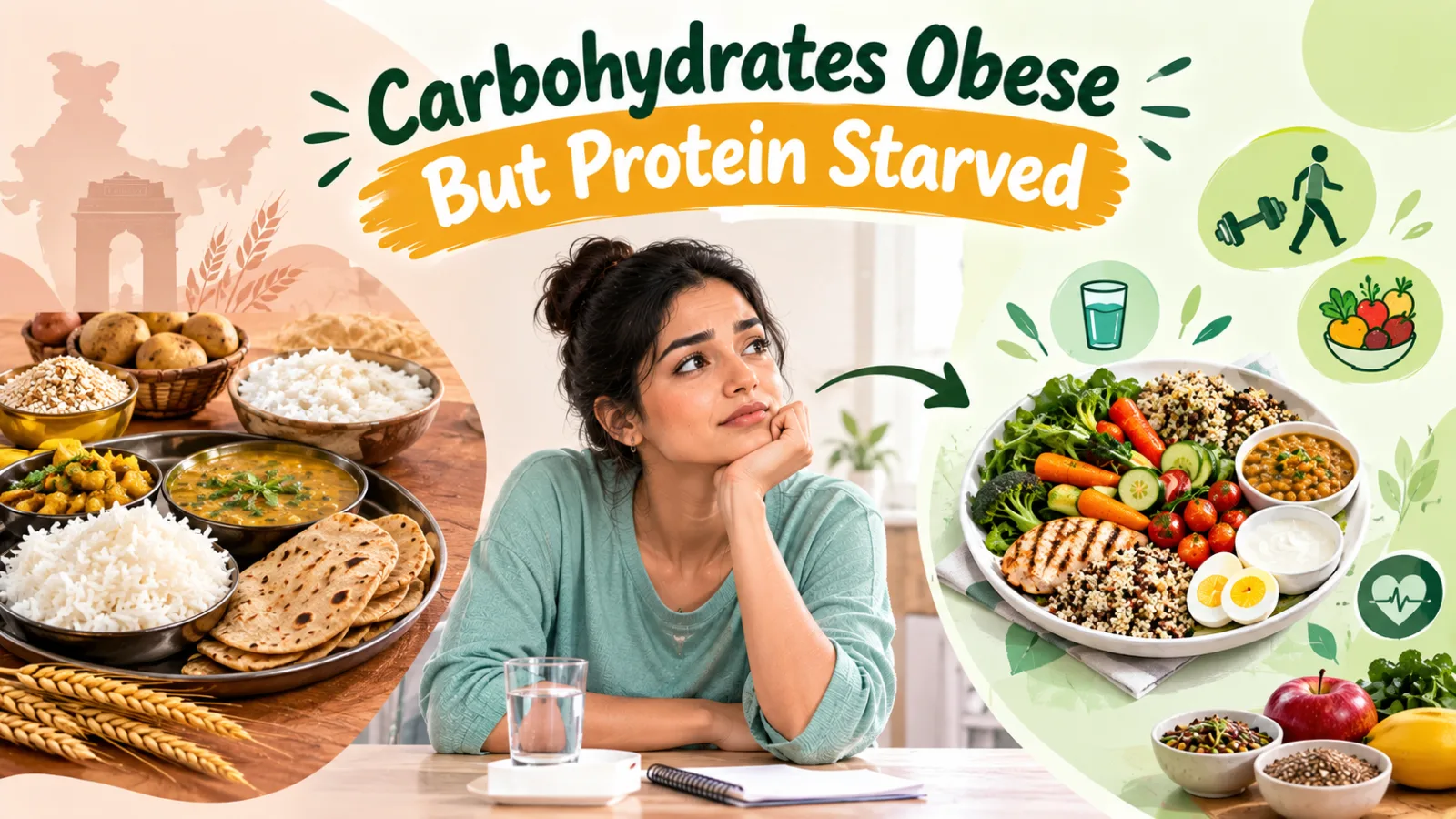
India’s traditional carbohydrate-rich diet has evolved through history, affordability, food availability, and cultural habits. However, modern sedentary lifestyles can make excessive refined carbohydrates and inadequate protein a concern, contributing to obesity, diabetes, and muscle loss. The solution is not to eliminate carbs but to create balance—choose whole grains, add protein-rich foods, increase vegetables and fiber, control portions, stay active, and seek regular health checkups.
The revolution:
The infamous and widely condemned carbohydrate-dense diet in India, did not easily fumble across as a cultural phenomenon, the roots date back to a complicated history of a solution that turned to another huge problem. The Indian staple diet consists of 60-70% of carbohydrates contributing to its total calorie intake. While ancient Indian diets featured high-fiber millets/jowar for commoners, with rice/wheat for elites or rituals; British famines (1770s-1940s) entrenched carbohydrate reliance for survival, dropping protein/fat intake. According to “thrifty gene theory” Indians have adapted to store more abdominal fat as a mechanism to survive a historical famine. However, Mughal/Persian influences did boost rice dishes like biryani. Post the green revolution in India, as a solution to the famines, high yielding varieties of wheat and rice were introduced into the Indian agricultural market which later skyrocketed their production as we know today. There are several reasons that point towards the prominence of a carbohydrate rich diet. Cereals like wheat and rice are cheaper and more readily available than protein-dense foods like meat, dairy, or nuts. The high prevalence of vegetarianism, combined with traditional meals revolving around rice or roti, means fewer high-protein sources are consumed. As an added evil, today’s sedentary lifestyle doesn’t support this diet any longer, and the public distribution system heavily subsidises rice and wheat that contributes to the problem.
The consequence:
Today India is one of the world’s diabetic capital, attributed to a carbohydrate heavy and a protein deficient diet, sedentary lifestyle and genetic predisposition. There is a considerable amount of research that strongly suggests that eating excessive complex carbohydrates can pose a risk of type 2 diabetes, increased fat storage, and nutritional imbalances. Nearly 80 million people are affected, showing strong links between excess weight especially abdominal fat, particularly in urban areas, with projections suggesting numbers will hit 98 million by 2030. High intake of refined, simple carbohydrates like white rice is shown to increase cardiovascular disease risk, hypertension, and high triglyceride levels. A diet too low in protein prevents proper muscle maintenance and repair, this can lead to loss of muscle mass, and slowed metabolism. High-carbohydrate diets, especially those high in fructose, are linked to non-alcoholic fatty liver disease (NAFLD), where fat accumulates in liver cells. Gut microbiomes can be impaired and there are mood alterations like fatigue which can impact cognitive function.
A probable solution:
There is enough evidence that points we could bring about some changes without completely abandoning our carbohydrate cravings. Focus on gradual swaps to boost protein, fiber, and micronutrients while cutting refined carbs by 20-30%. Portion control can be achieved by limiting rice/roti to 1-2 per meal; fill half the plate with non-starchy vegetables like cabbage, greens, gourds, okra and so on. Upgrade your diet from white rice/ maida with millets like jowar, bajra, ragi rotis, brown rice, or quinoa for slower-digesting carbohydrates. Adding protein to at least two meals a day, like dal, paneer, curd, eggs are better options, add roasted chana or sprouts as snacks. Policy changes that could subsidise eggs and milk can also improve this dire situation. Pairing it with 30 minute walks, fibre rich fruit, hydration strength training, and core strengthening exercises could bring much benefit. Get a regular doctor check up for assessing any deficiencies and supplement them via diet or medicine.


