The Gewo Journal

Health knowledge,
from doctors.

Explore practical, patient-friendly guidance published by doctors in the Gewo care network. No account is required to read.

107 published articles

Latest thinking

All doctor blogs

01
Nutrition5 min read

Myth: “Home-cooked food cannot raise cholesterol”

Home-cooked food can be healthy, but it is not automatically cholesterol-friendly. Meals prepared with excess ghee, butter, cream, fatty meats, fried foods, or large amounts of oil may raise LDL cholesterol when eaten regularly. Learn how cooking methods, portions, saturated fats, fibre, and overall dietary patterns affect cholesterol, and discover simple ways to make traditional home meals more heart-friendly.


02
Disease Prevention5 min read

How a Sedentary Lifestyle Hurts Your Liver Predominantly?

A sedentary lifestyle can affect liver health by reducing energy use, increasing insulin resistance, promoting fat accumulation, and contributing to inflammation. Prolonged sitting may raise the risk of fatty liver disease, especially when combined with excess weight, unhealthy eating, poor sleep, or low physical activity. Breaking up sitting time, exercising regularly, maintaining a healthy weight, choosing balanced foods, managing stress.

03
Patient Education5 min read

Understanding NAFLD: A Patient-Friendly Guide to Fatty Liver Disease.

NAFLD, or non-alcoholic fatty liver disease, occurs when excess fat builds up in the liver and is closely linked with obesity, type 2 diabetes, high cholesterol, and high blood pressure. Often silent, it may cause fatigue or right-sided abdominal discomfort and can progress to liver scarring. Healthy eating, regular exercise, weight management, and control of related conditions can help protect liver health. Early medical evaluation and monitoring can reduce the risk of complications.

04
Patient Education5 min read

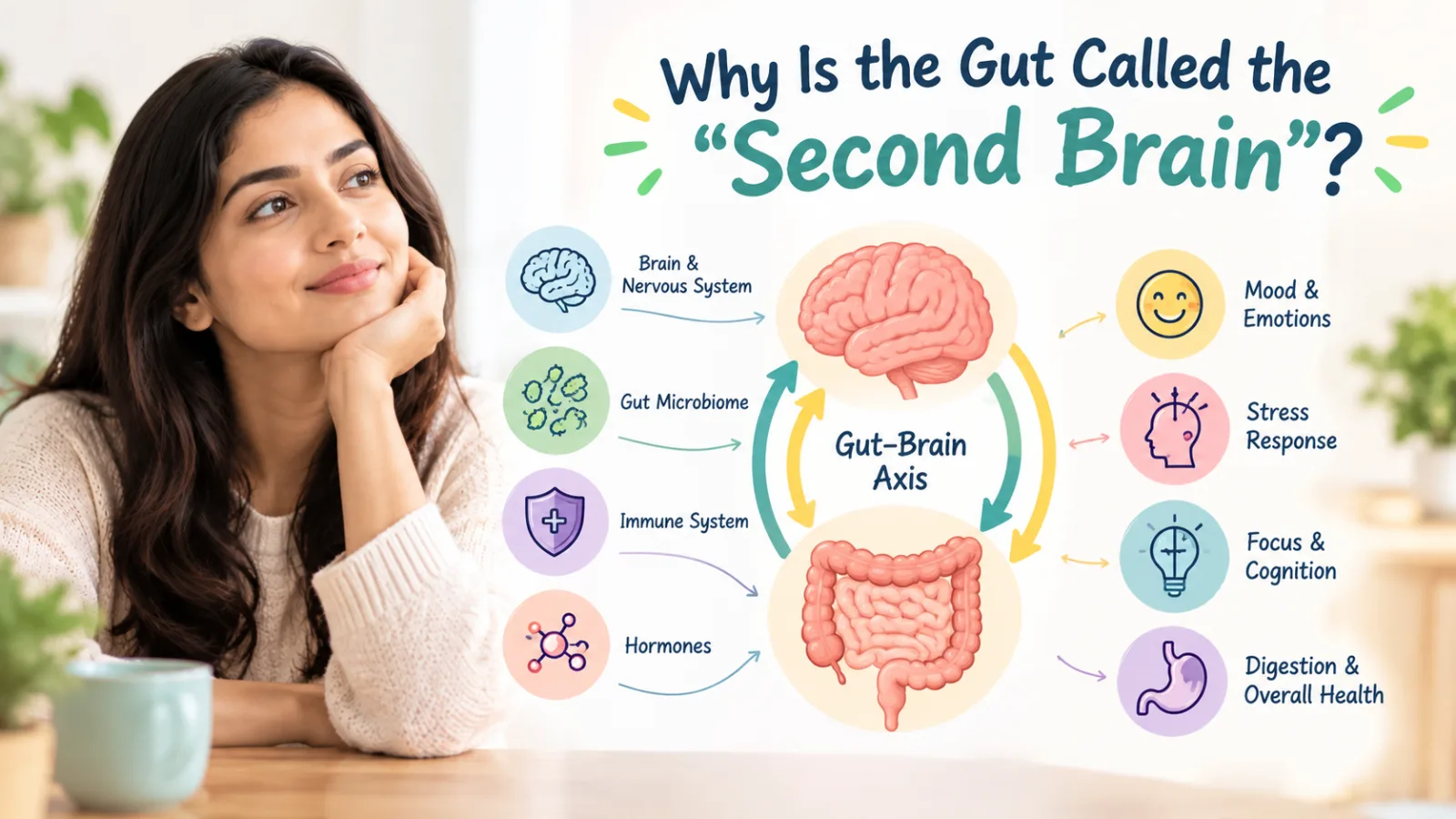
Why Is the Gut Called the “Second Brain”? Have you ever felt “butterflies” in your stomach before an exam, or noticed that stress gives you an upset belly?

The gut is often called the “second brain” because the digestive system has its own nervous system and communicates continuously with the brain through the gut–brain axis. The gut microbiome, immune system, hormones, and vagus nerve all contribute to this two-way connection. Diet, stress, sleep, physical activity, and medications can influence gut and mental health. Supporting a healthy gut through balanced nutrition and lifestyle habits may benefit overall well-being.

05
Patient Education4 min read

PCOS or PCOD: What You Need to Know?

PCOS is a common hormonal condition that can affect periods, ovulation, fertility, skin, hair, weight, and metabolic health. Symptoms vary widely, and not everyone experiences the same features. While PCOS cannot always be prevented or cured, healthy eating, regular physical activity, good sleep, stress management, and appropriate medical care can help manage symptoms and reduce long-term risks. Early evaluation can also help identify other conditions and guide personalised treatment!

06
Patient Education5 min read

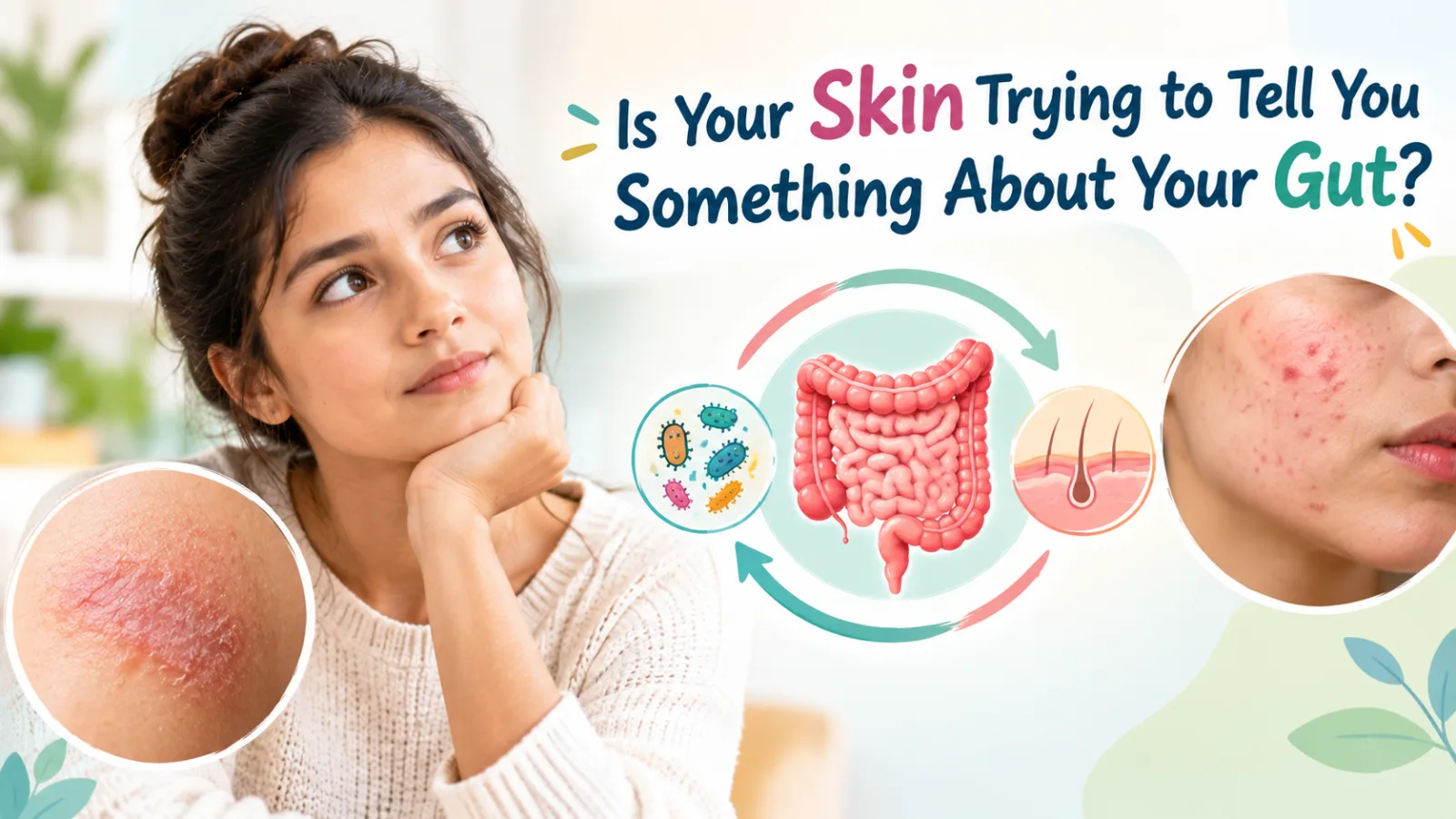
Is Your Skin Trying to Tell You Something About Your Gut?

The gut and skin are connected through the gut–skin axis, involving the microbiome, immune system, hormones, and stress pathways. Changes in gut health may influence conditions such as acne, eczema, rosacea, and psoriasis, although not every skin problem is caused by the gut. A balanced, fiber-rich diet, adequate sleep, stress management, gentle skincare, and appropriate medical treatment can support overall gut and skin health. Seek advice soon if symptoms persist or worsen over time.

07
Disease Prevention5 min read

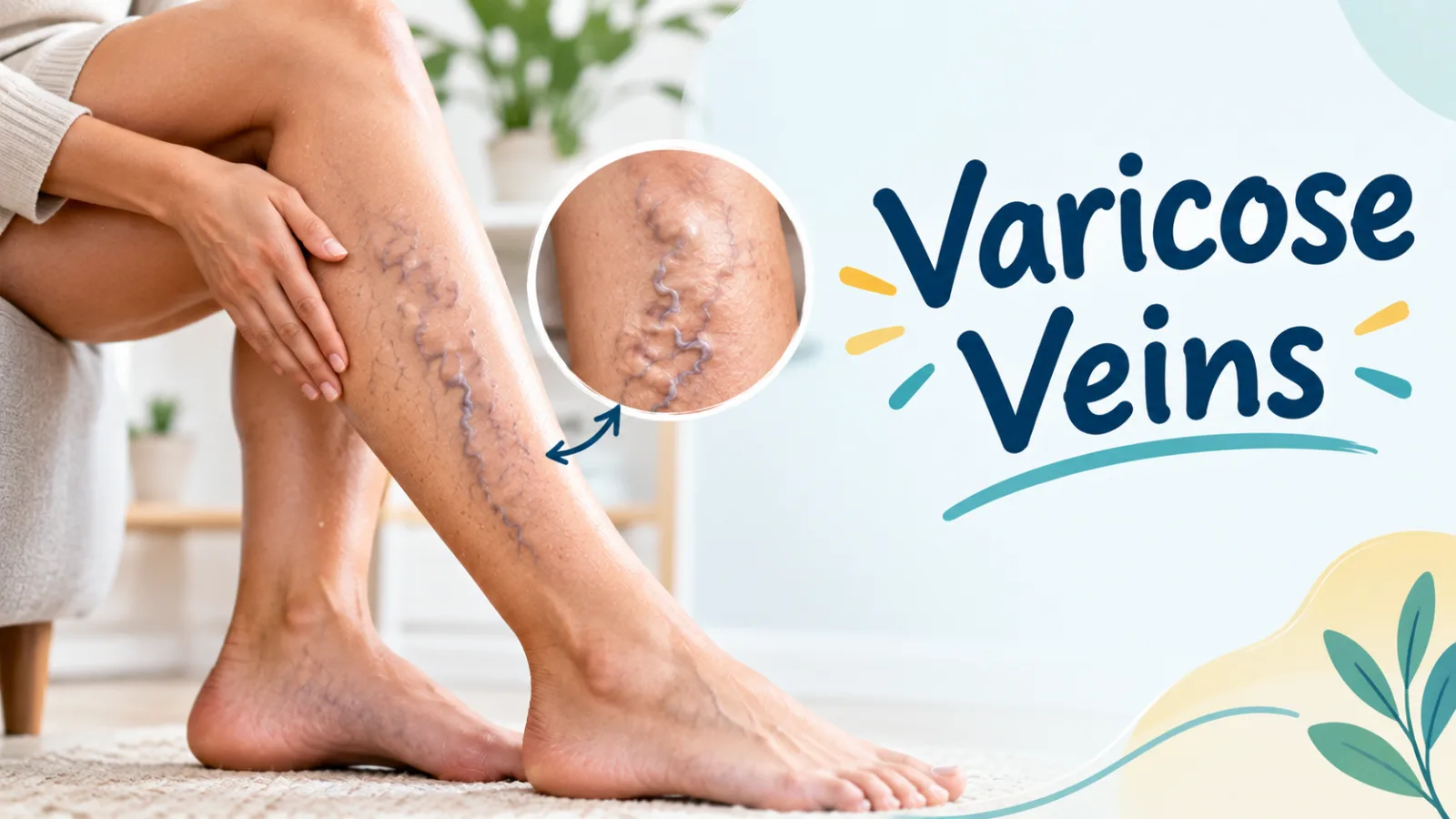
Varicose Veins: What They Are, Why They Happen, and How to Manage Them?

Varicose veins are swollen, twisted veins that commonly appear on the legs when weakened valves allow blood to pool. They may cause aching, heaviness, swelling, itching, cramps, or skin changes, although some people have no symptoms. Age, family history, pregnancy, excess weight, prolonged sitting or standing, and previous blood clots can increase risk.

08
Mental Health5 min read

Children’s Mental Health Today: Common Challenges and Why They Happen?

Children and adolescents may experience anxiety, depression, behavioural difficulties, attention problems, eating concerns, social withdrawal, or distress related to digital experiences. When symptoms persist or interfere with school, relationships, sleep, eating, or daily life, professional support may be needed. Mental health is influenced by development, family, school, social experiences, physical health, and the environment.

09
Fitness5 min read

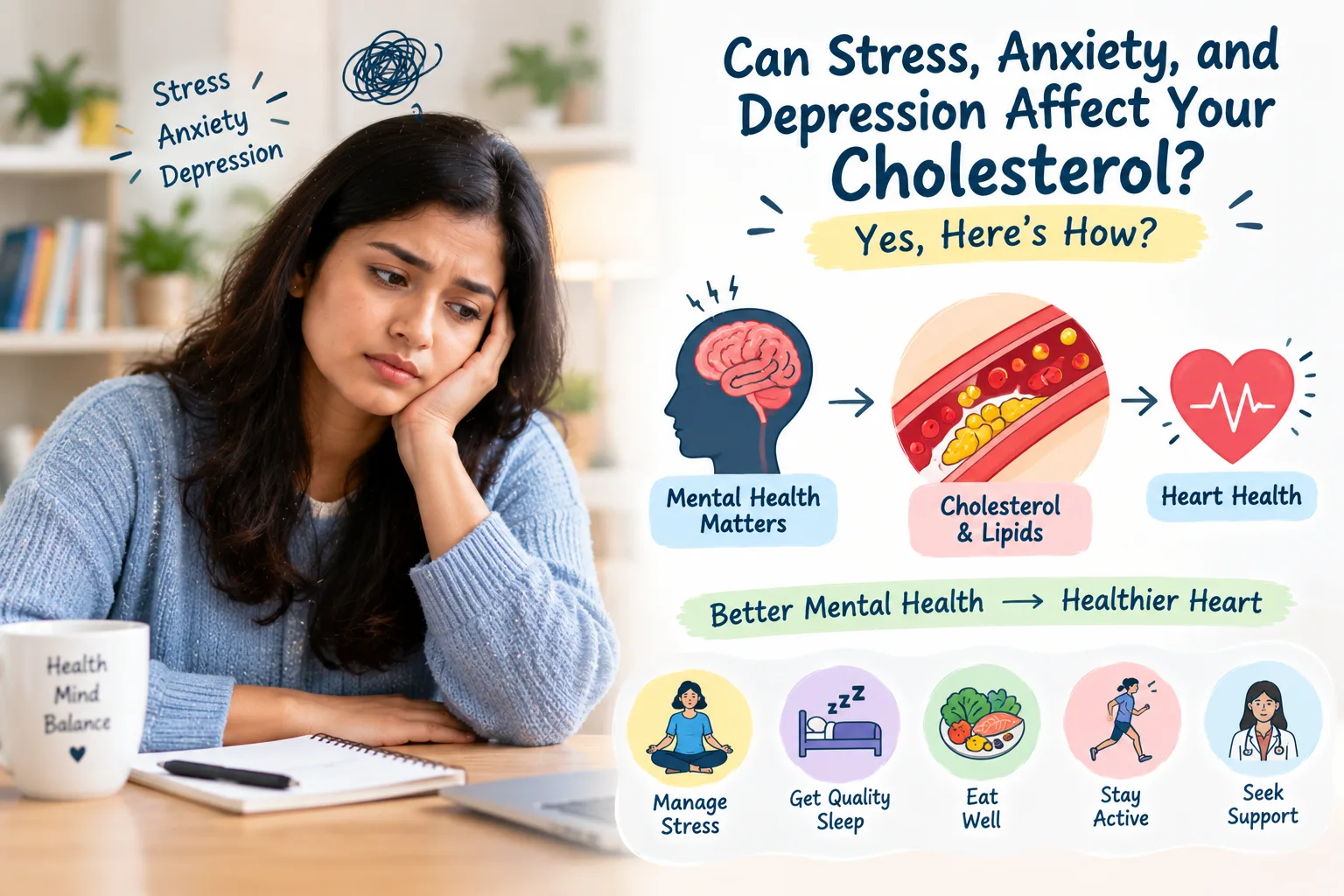
Can Stress, Anxiety, and Depression Affect Your Cholesterol?

Stress, anxiety, and depression may influence cholesterol and triglyceride levels through hormonal, inflammatory, metabolic, and behavioral pathways. Chronic stress can affect cortisol, sleep, physical activity, eating habits, and overall metabolic health. If cholesterol levels change unexpectedly, it is important to consider these factors while also checking other possible causes.

10
Mental Health4 min read

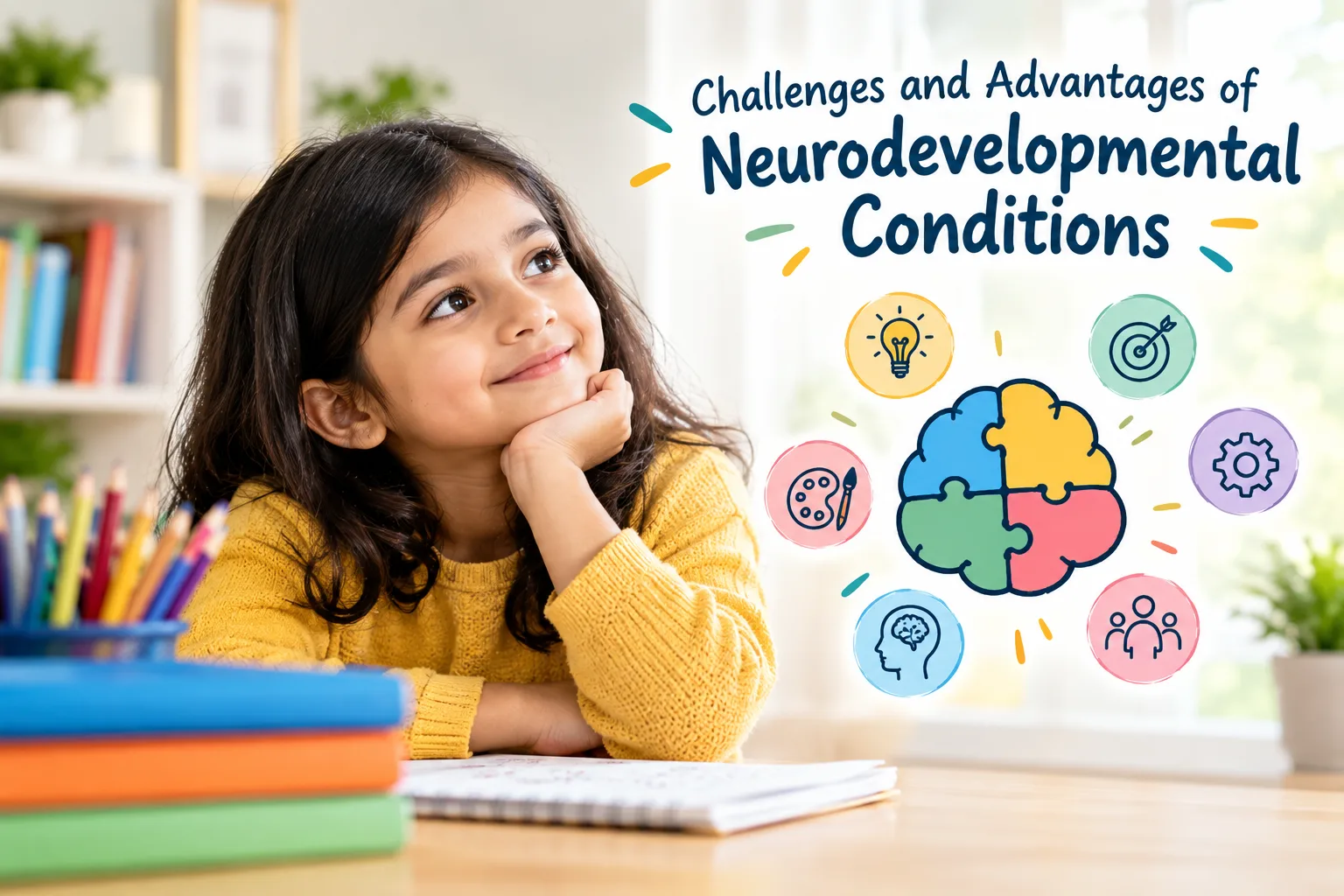
Challenges and Advantage of Neurodevelopmental Conditions

Neurodevelopmental conditions affect how the brain develops and processes information, influencing learning, communication, attention, behavior, movement, or social interaction. Conditions such as autism, ADHD, dyslexia, developmental coordination disorder, and intellectual disability can present differently in each person. While challenges may affect daily life, strengths such as creativity, deep focus, attention to detail, and pattern recognition can also emerge.

12
Mental Health5 min read

Understanding Intellectual Disability: A Patient-Friendly Guide.

Intellectual disability is a lifelong neurodevelopmental condition that affects learning, reasoning, communication, problem-solving, and everyday adaptive skills. Signs may include delayed developmental milestones, learning difficulties, communication challenges, and difficulty with daily activities. Causes can include genetic conditions, pregnancy or birth complications, infections, toxins, or brain injury.