The Gewo Journal

Health knowledge,
from doctors.

Explore practical, patient-friendly guidance published by doctors in the Gewo care network. No account is required to read.

107 published articles

Latest thinking

All doctor blogs

61
Other4 min read

Sleep and Brain Health: How Good Sleep Protects Your Mind

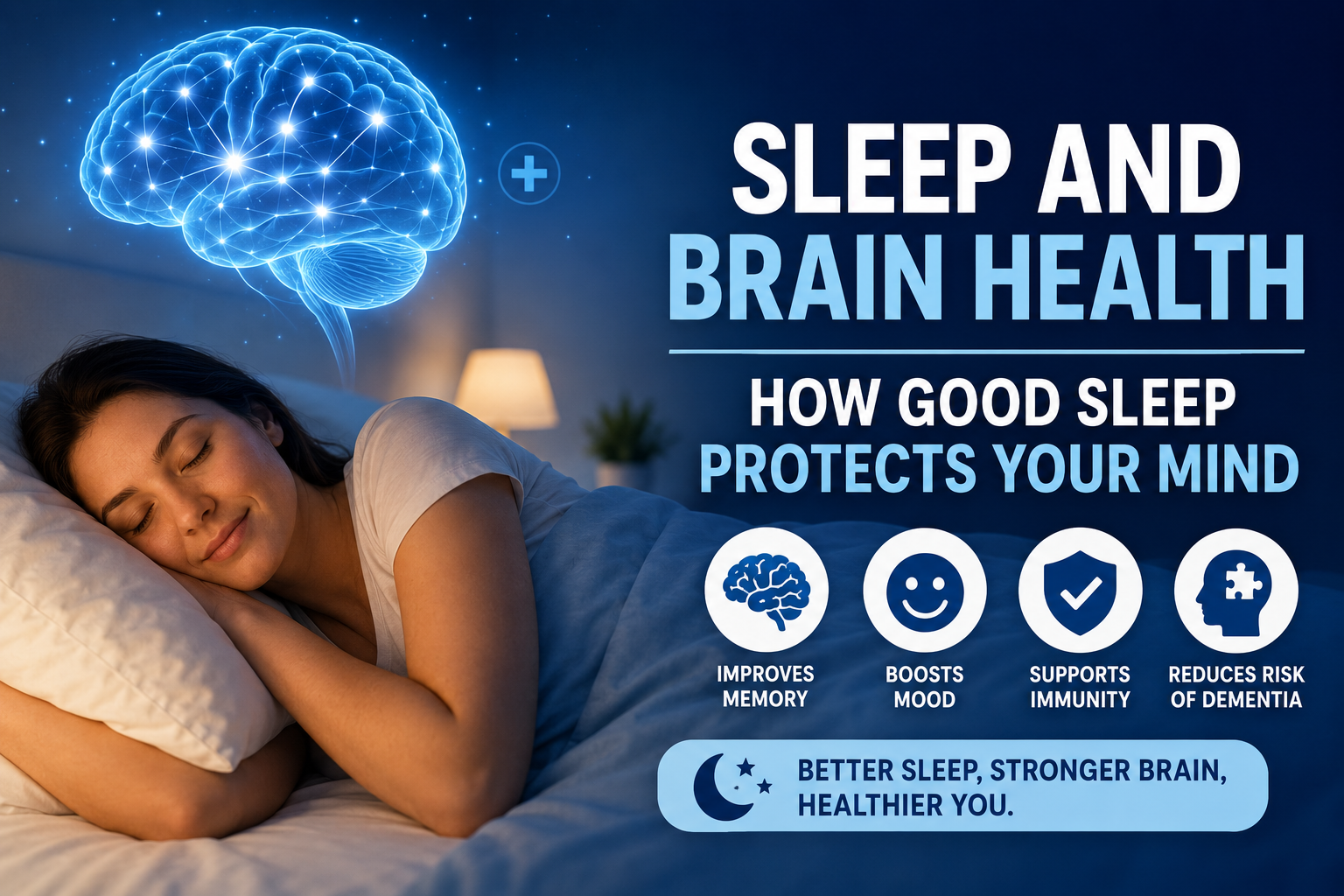
Quality sleep is essential for a healthy brain. During sleep, your brain restores energy, strengthens memory, regulates emotions, and clears harmful waste. Poor sleep can affect concentration, mood, and long-term brain health while increasing the risk of cognitive decline. Prioritize 7–9 hours of quality sleep, maintain a consistent bedtime, reduce screen time before bed, and seek medical advice if sleep problems persist.


62
Other6 min read

The Hidden Connection How Untreated Hearing Loss May Increase Your Dementia Risk

Untreated hearing loss is more than an age-related change—it may increase the risk of cognitive decline and dementia. Difficulty hearing can place extra strain on the brain, reduce social interaction, and affect memory over time. Regular hearing checks, protecting your ears from loud noise, and using hearing aids when needed can help support long-term brain health. Early intervention is an important step toward healthy aging and maintaining

63
Other4 min read

Vitamin B12 Deficiency and Cognitive Function - By Dr. Shraddha Bangera

Vitamin B12 plays an important role in brain function, nerve health, and memory. A deficiency can lead to fatigue, poor concentration, confusion, numbness, and balance problems, especially in older adults. Since these symptoms may resemble normal aging or early dementia, timely testing and treatment are essential. Eating B12-rich foods and seeking medical advice for persistent memory changes can help protect cognitive health and overall well-being.

64
Wellness4 min read

Rosacea

Stress is a normal part of life, but when it becomes constant, it can affect both physical and mental health. Common signs include fatigue, headaches, sleep problems, digestive issues, irritability, poor concentration, and feeling overwhelmed. Recognizing these warning signs early is important. Simple steps such as regular exercise, quality sleep, relaxation techniques, healthy routines, and seeking support when needed can help manage stress and improve overall well-being.

By Dr. Charumathi P C
65
Mental Health6 min read

Why Mental Health Matters

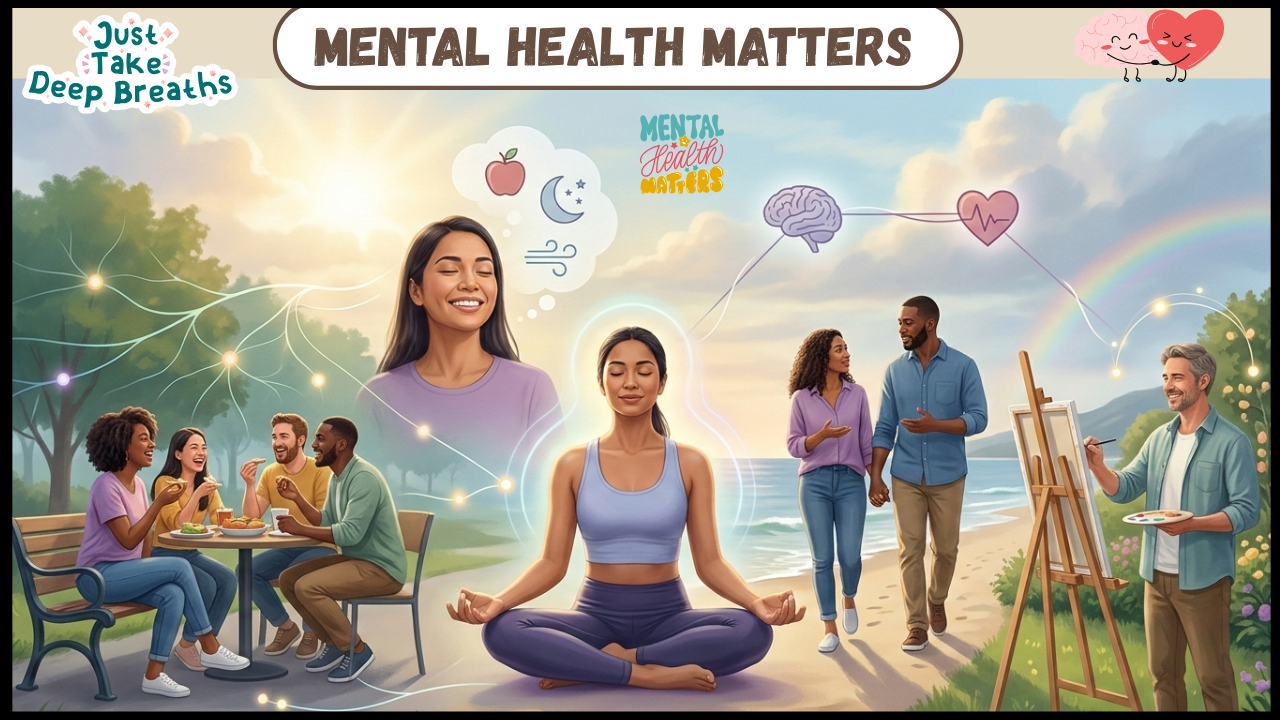
Mental health influences how we think, feel, handle stress, and connect with others. Good mental well-being supports emotional balance, healthy relationships, productivity, and overall quality of life. Factors such as stress, life challenges, physical health, and social support can affect mental wellness. Prioritizing sleep, exercise, self-care, and seeking support when needed can help build resilience and improve long-term well-being.

By Dr. Mansi Singh
66
Mental Health5 min read

Understanding Stress in Daily Life

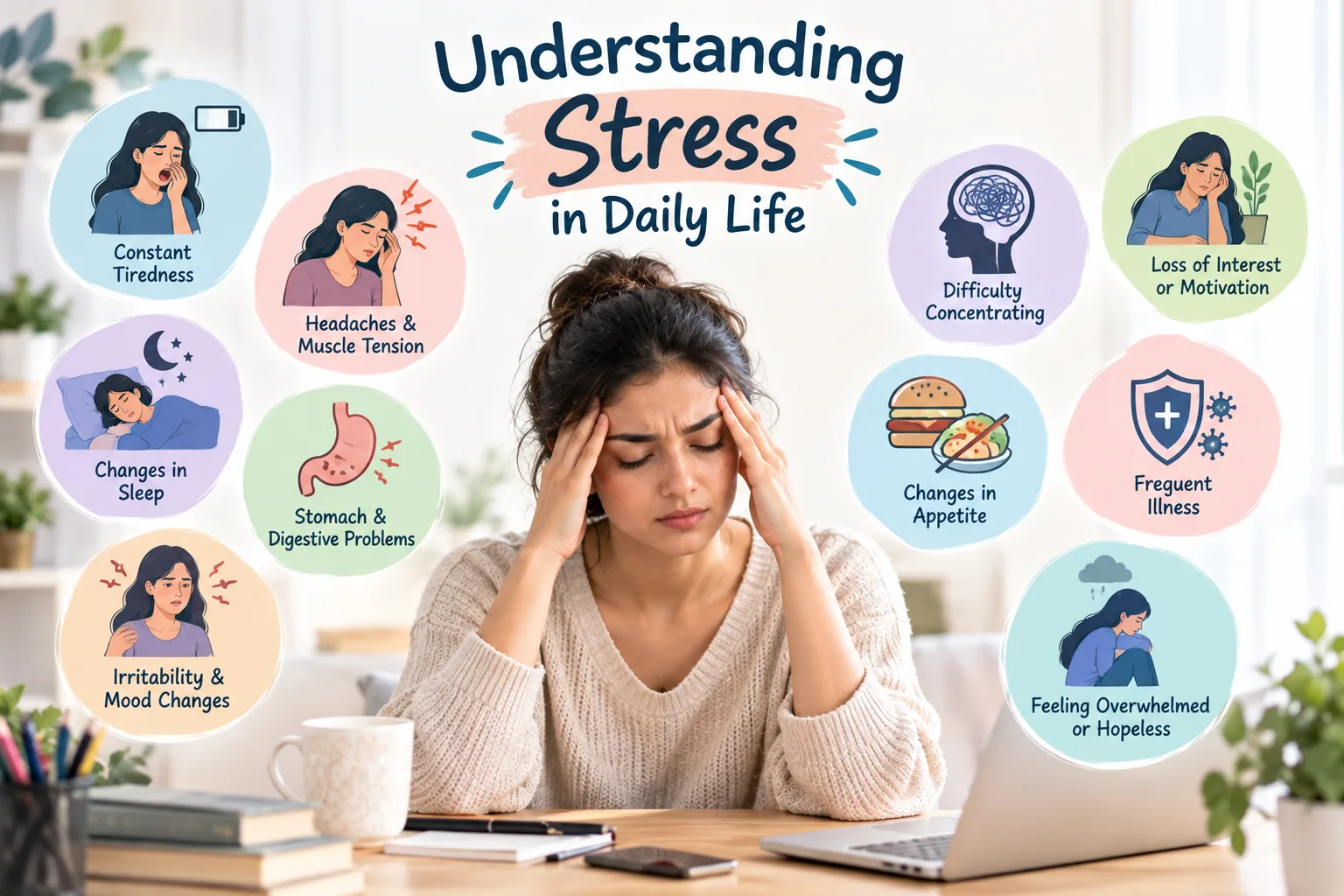
Stress is a normal part of life, but when it becomes constant, it can affect both physical and mental health. Warning signs may include persistent tiredness, headaches, sleep problems, digestive issues, irritability, poor concentration, appetite changes, and feeling overwhelmed. Recognizing these signals early is important. Healthy habits such as regular exercise, quality sleep, relaxation, and seeking support when needed can help manage stress and protect overall well-being

By Dr. Mansi Singh
68
Mental Health4 min read

Sleep Disorders and Mental Health

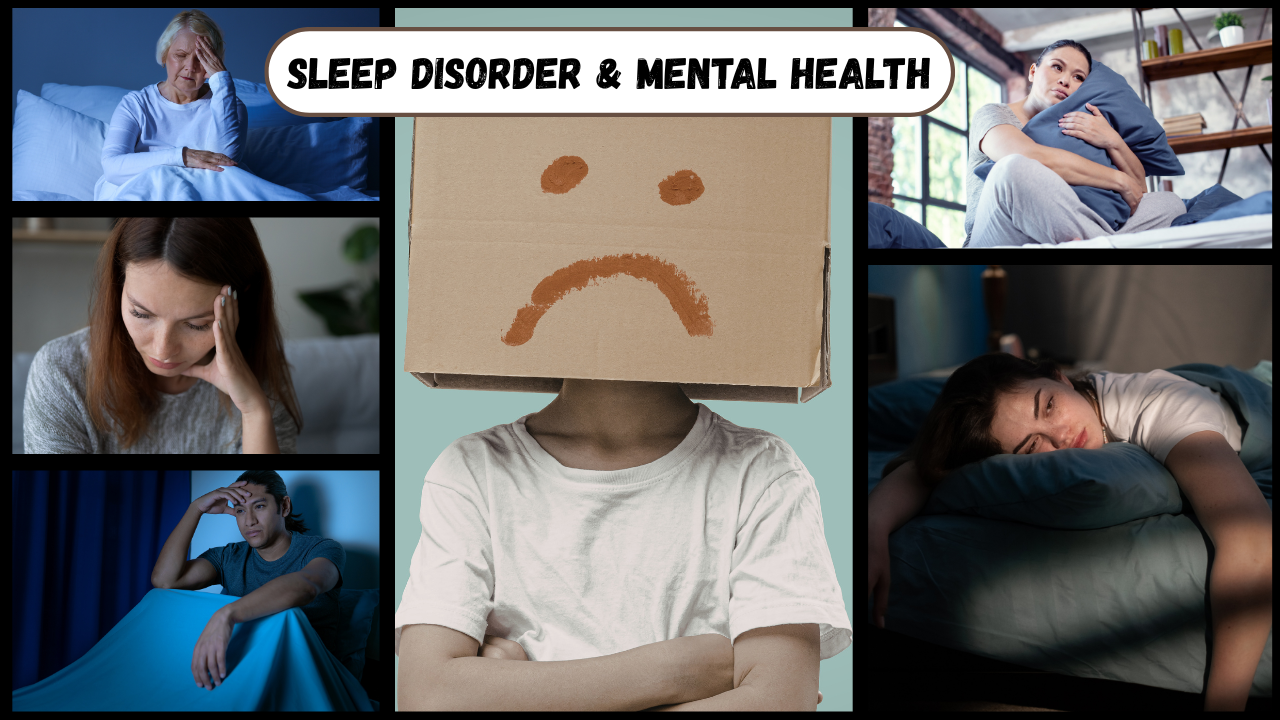
Quality sleep is essential for both mental and physical well-being. Poor sleep can affect mood, concentration, memory, and stress levels, while mental health conditions can also disrupt sleep. Common sleep disorders such as insomnia, sleep apnea, and restless legs syndrome may increase the risk of anxiety, depression, and burnout. Prioritizing healthy sleep habits, maintaining a consistent routine, and seeking help when needed can support long-term mental wellness.

By Dr. Mansi Singh
69
Mental Health4 min read

Simple Ways to Reduce Stress

Stress is a natural part of life, but when it builds up, it can affect both mental and physical health. Small daily habits can make a big difference. Deep breathing, regular movement, quality sleep, healthy eating, staying hydrated, taking breaks, limiting screen time, and talking to trusted people can help reduce stress levels. Making time for enjoyable activities and practicing self-kindness also support emotional well-being. Managing stress starts with simple, consistent steps every day.

By Dr. Mansi Singh
70
Mental Health4 min read

Postpartum Mental Health

The postpartum period brings major emotional, physical, and lifestyle changes that can affect mental well-being. While mood fluctuations are common, persistent sadness, anxiety, exhaustion, difficulty bonding with the baby, or feelings of overwhelm may signal a postpartum mental health concern. Early recognition, support from loved ones, self-care, and professional help when needed can promote recovery, strengthen parent-child bonding, and support the well-being of the entire family.

By Dr. Mansi Singh
71
Mental Health4 min read

Panic Attacks

Panic attacks can feel frightening, causing symptoms such as a racing heart, shortness of breath, dizziness, sweating, trembling, and intense fear. These episodes occur when the body’s fight-or-flight response becomes activated, even when no real danger exists. Although panic attacks can feel overwhelming, they are not life-threatening. Understanding the physical and emotional changes involved can help reduce fear, improve coping skills, and encourage timely support when needed.

By Dr. Mansi Singh