Mental Health
Sleep Disorders and Mental Health
Quality sleep is essential for both mental and physical well-being. Poor sleep can affect mood, concentration, memory, and stress levels, while mental health conditions can also disrupt sleep. Common sleep disorders such as insomnia, sleep apnea, and restless legs syndrome may increase the risk of anxiety, depression, and burnout. Prioritizing healthy sleep habits, maintaining a consistent routine, and seeking help when needed can support long-term mental wellness.
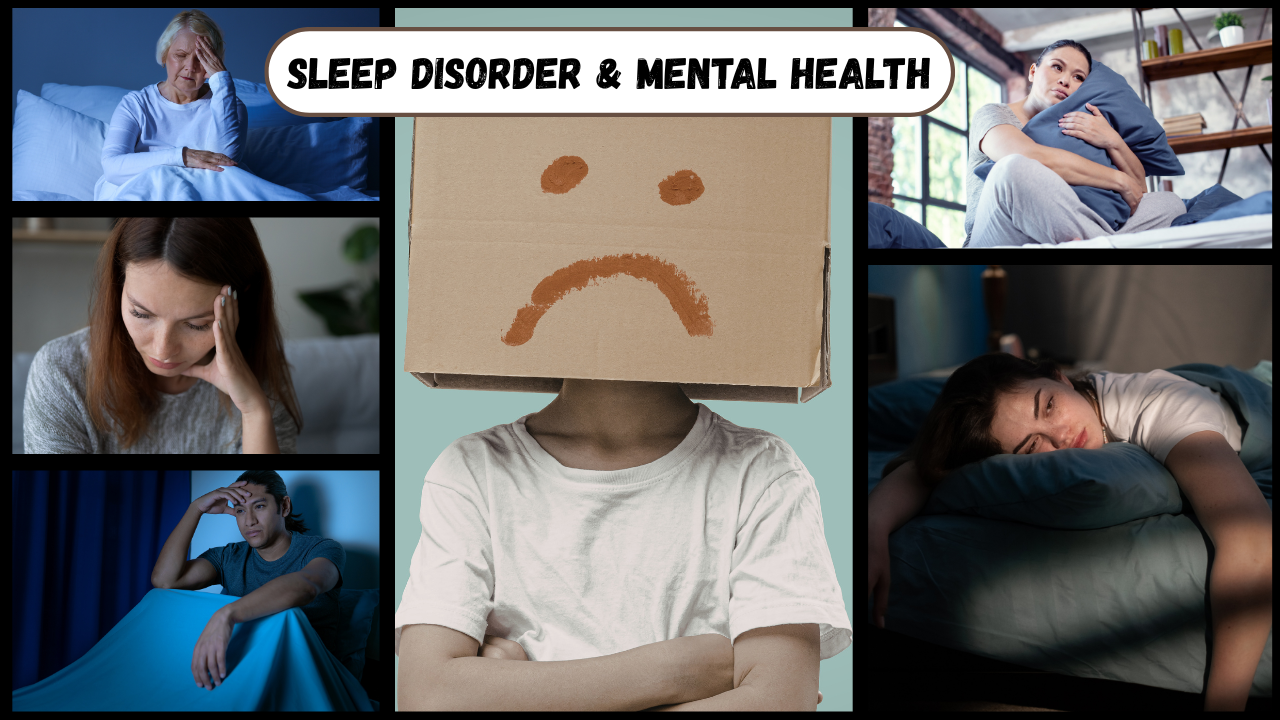
Sleep Disorders and Mental Health: Why Quality Sleep Matters
Sleep is one of the most essential yet often overlooked pillars of health. While many people focus on diet and exercise, quality sleep plays an equally important role in maintaining both physical and mental well-being. Sleep is not simply a period of rest—it is an active process during which the brain restores energy, processes emotions, strengthens memory, and regulates mood. When sleep becomes disturbed, mental health is often affected as well.
The Connection Between Sleep and Mental Health
The relationship between sleep and mental health works both ways. Poor sleep can worsen emotional well-being, and mental health conditions can disrupt sleep patterns. When we sleep well, the brain regulates stress hormones, processes emotional experiences, and prepares us to handle daily challenges. Without adequate sleep, emotional balance becomes harder to maintain.
People who experience chronic sleep problems are more likely to develop anxiety, depression, irritability, and difficulty concentrating. Similarly, individuals with mental health conditions often struggle with insomnia, restless sleep, or excessive sleepiness.
Common Sleep Disorders
Several sleep disorders can significantly affect mental health:
1. Insomnia
Insomnia involves difficulty falling asleep, staying asleep, or waking too early. It is commonly linked with stress, anxiety, and depression. Persistent insomnia can lead to fatigue, mood changes, and reduced productivity.
2. Sleep Apnea
Sleep apnea occurs when breathing repeatedly stops and starts during sleep. It can cause loud snoring, daytime sleepiness, headaches, and poor concentration. Untreated sleep apnea may increase the risk of depression and cognitive problems.
3. Restless Legs Syndrome (RLS)
This condition causes uncomfortable sensations in the legs and an urge to move them, especially at night, making restful sleep difficult.
4. Circadian Rhythm Disorders
Irregular sleep schedules, shift work, or excessive screen exposure can disrupt the body’s natural sleep-wake cycle, affecting mood and energy levels.
How Poor Sleep Affects the Mind
Lack of quality sleep impacts brain function in several ways:
Emotional regulation: Sleep deprivation increases emotional sensitivity and irritability.
Stress response: The brain becomes more reactive to stress when sleep is insufficient.
Concentration and memory: Poor sleep reduces attention, decision-making ability, and learning capacity.
Mental resilience: Coping with challenges becomes more difficult when the brain is tired.
Over time, chronic sleep problems may increase the risk of anxiety disorders, depression, and burnout.
Signs Your Sleep May Be Affecting Mental Health
You may need to pay attention to sleep if you notice:
Persistent fatigue despite adequate time in bed
Difficulty concentrating or remembering things
Mood swings or irritability
Increased anxiety or low mood
Falling asleep during the day
Trouble falling asleep most nights
Improving Sleep for Better Mental Health
Healthy sleep habits, often called sleep hygiene, can greatly improve mental wellness.
Maintain a Consistent Schedule
Go to bed and wake up at the same time daily, even on weekends.
Limit Screen Time Before Bed
Blue light from phones and laptops interferes with melatonin, the sleep hormone. Try to avoid screens at least one hour before sleep.
Create a Relaxing Bedtime Routine
Reading, gentle stretching, meditation, or warm showers can signal the brain that it is time to rest.
Optimize Your Sleep Environment
Keep the bedroom quiet, dark, and cool. Comfortable bedding also improves sleep quality.
Watch Caffeine and Heavy Meals
Avoid caffeine late in the day and heavy meals close to bedtime.
Stay Physically Active
Regular exercise improves sleep quality, but intense workouts should be avoided just before sleep.
When to Seek Professional Help
If sleep problems persist for several weeks or interfere with daily functioning, medical evaluation is important. Seek help if you experience:
Chronic insomnia
Loud snoring with daytime fatigue
Frequent nighttime awakenings
Persistent anxiety or depression linked to sleep issues
Treatment may include behavioral therapy, lifestyle changes, or medical management depending on the underlying cause.
The Bigger Picture: Sleep as Mental Self-Care
Quality sleep is not a luxury—it is a necessity for emotional stability and overall health. Prioritizing sleep improves mood, enhances concentration, strengthens relationships, and increases resilience against stress.
Sleep and mental health are deeply interconnected. When sleep suffers, mental well-being often follows, and when mental health struggles arise, sleep is frequently disrupted. By recognizing the importance of sleep and adopting healthy habits, individuals can protect both their mind and body.
Investing in good sleep is one of the simplest and most powerful ways to support long-term mental wellness. A well-rested mind is better prepared to face life with clarity, balance, and emotional strength.


