Mental Health
Panic Attacks
Panic attacks can feel frightening, causing symptoms such as a racing heart, shortness of breath, dizziness, sweating, trembling, and intense fear. These episodes occur when the body’s fight-or-flight response becomes activated, even when no real danger exists. Although panic attacks can feel overwhelming, they are not life-threatening. Understanding the physical and emotional changes involved can help reduce fear, improve coping skills, and encourage timely support when needed.
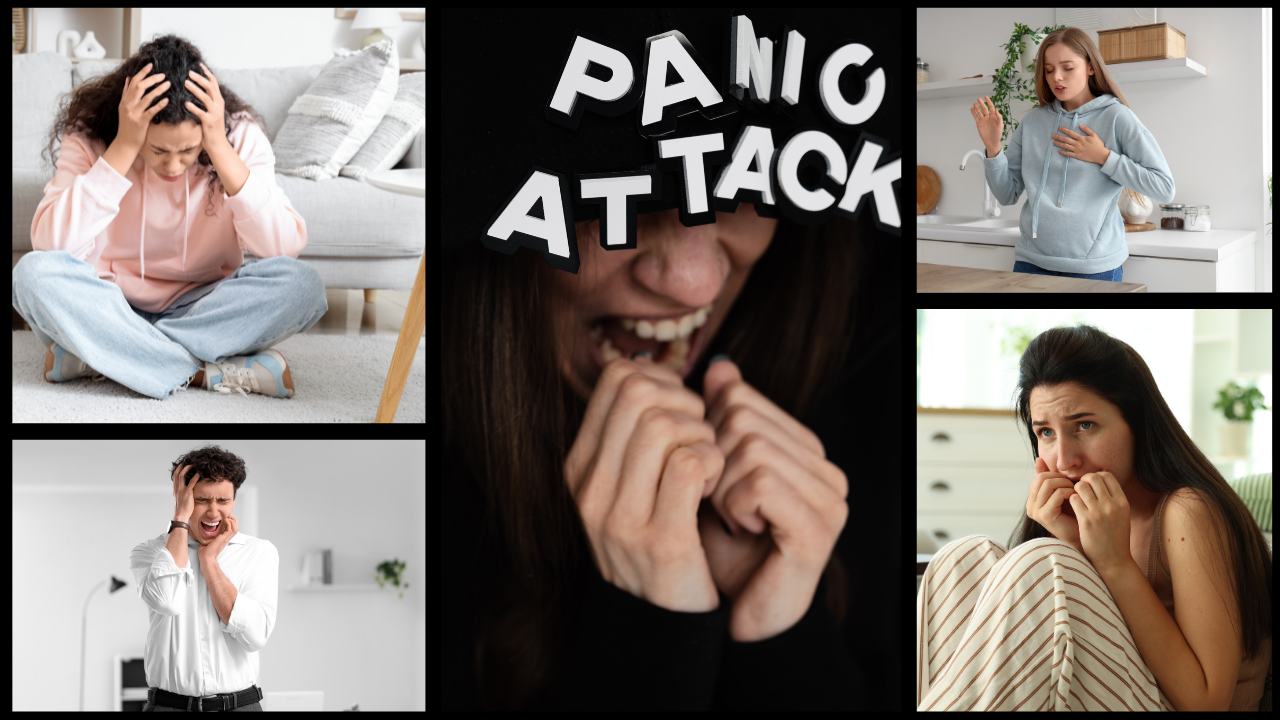
Panic Attacks Explained: What Happens in the Body and Mind?
A panic attack can feel sudden, overwhelming, and frightening. Many people describe it as feeling like they are losing control, having a heart attack, or even dying. Although panic attacks are intensely uncomfortable, they are not dangerous. Understanding what happens in the body and mind during a panic attack can help reduce fear and make the experience easier to manage.
What Is a Panic Attack?
A panic attack is a sudden surge of intense fear or discomfort that reaches its peak within minutes. It can occur without warning and sometimes without an obvious trigger. Panic attacks may happen once in a lifetime or repeatedly as part of conditions such as panic disorder, anxiety disorders, or severe stress.
What Happens in the Body?
During a panic attack, the body activates its “fight-or-flight” response, a natural survival mechanism designed to protect us from danger. The brain mistakenly interprets a situation as threatening and sends emergency signals throughout the body.
1. Adrenaline Release
The brain releases stress hormones like adrenaline. This prepares the body to either fight or escape, even though no real danger is present.
2. Increased Heart Rate
The heart beats faster to pump blood to muscles. This can cause palpitations or chest tightness, often mistaken for a heart problem.
3. Rapid Breathing
Breathing becomes fast and shallow, which may lead to dizziness, lightheadedness, or tingling sensations in the hands and face due to changes in oxygen and carbon dioxide levels.
4. Muscle Tension
Muscles tighten, preparing for action. This can cause shaking, trembling, or body discomfort.
5. Sweating and Temperature Changes
The body may sweat or feel hot or cold as part of the stress response.
These reactions are normal biological responses—even though they feel alarming.
What Happens in the Mind?
The mental experience of a panic attack can be just as intense as the physical symptoms.
Sudden overwhelming fear or dread
Feeling detached from reality (derealization)
Feeling disconnected from oneself (depersonalization)
Fear of losing control or going crazy
Fear of dying or something terrible happening
Because physical symptoms are strong, the brain may interpret them as evidence of danger, which increases fear and creates a cycle that intensifies the attack.
Why Do Panic Attacks Happen?
Panic attacks can be triggered by several factors, including:
Chronic stress or emotional pressure
Anxiety disorders
Major life changes or trauma
Lack of sleep
Excess caffeine or stimulant use
Genetic vulnerability
Certain medical conditions
Sometimes panic attacks occur without any clear reason, which can make them more distressing.
How Long Do Panic Attacks Last?
Most panic attacks peak within 5–10 minutes and usually resolve within 20–30 minutes, although the person may feel tired or emotionally drained afterward. Even though symptoms feel endless in the moment, they are temporary and will pass.
How to Calm a Panic Attack
Simple techniques can help calm the nervous system:
Slow Breathing
Breathe in slowly through the nose for four seconds, hold briefly, and exhale slowly through the mouth. This helps regulate oxygen levels and calm the body.
Grounding Techniques
Focus on the present moment by noticing things you can see, hear, or touch around you.
Reassuring Self-Talk
Remind yourself:
“This is a panic attack. It will pass. I am safe.”
Relax the Body
Release muscle tension by gently stretching or relaxing your shoulders and jaw.
When to Seek Help
Occasional panic attacks can happen during stressful periods, but professional help is recommended if:
Panic attacks occur frequently
Fear of attacks leads to avoiding places or activities
Anxiety interferes with daily life
Symptoms cause persistent distress
Mental health professionals can provide effective treatments such as Cognitive Behavioral Therapy (CBT), relaxation training, and medication when necessary.
The Good News: Panic Attacks Are Treatable
Panic attacks may feel overwhelming, but they are highly manageable. Understanding the body’s response helps reduce fear and break the cycle of anxiety. With proper support, coping strategies, and treatment, many people learn to control panic attacks and regain confidence in their daily lives.
A panic attack is not a sign of weakness—it is the body’s alarm system becoming overactive. Learning how the mind and body react during these moments is the first step toward regaining calm, control, and emotional well-being.


