Mental Health
Understanding anxiety disorders
Anxiety is a normal response to stress, but when worry becomes persistent and affects daily life, it may be an anxiety disorder. Common symptoms include excessive fear, restlessness, rapid heartbeat, sleep problems, difficulty concentrating, and panic attacks.
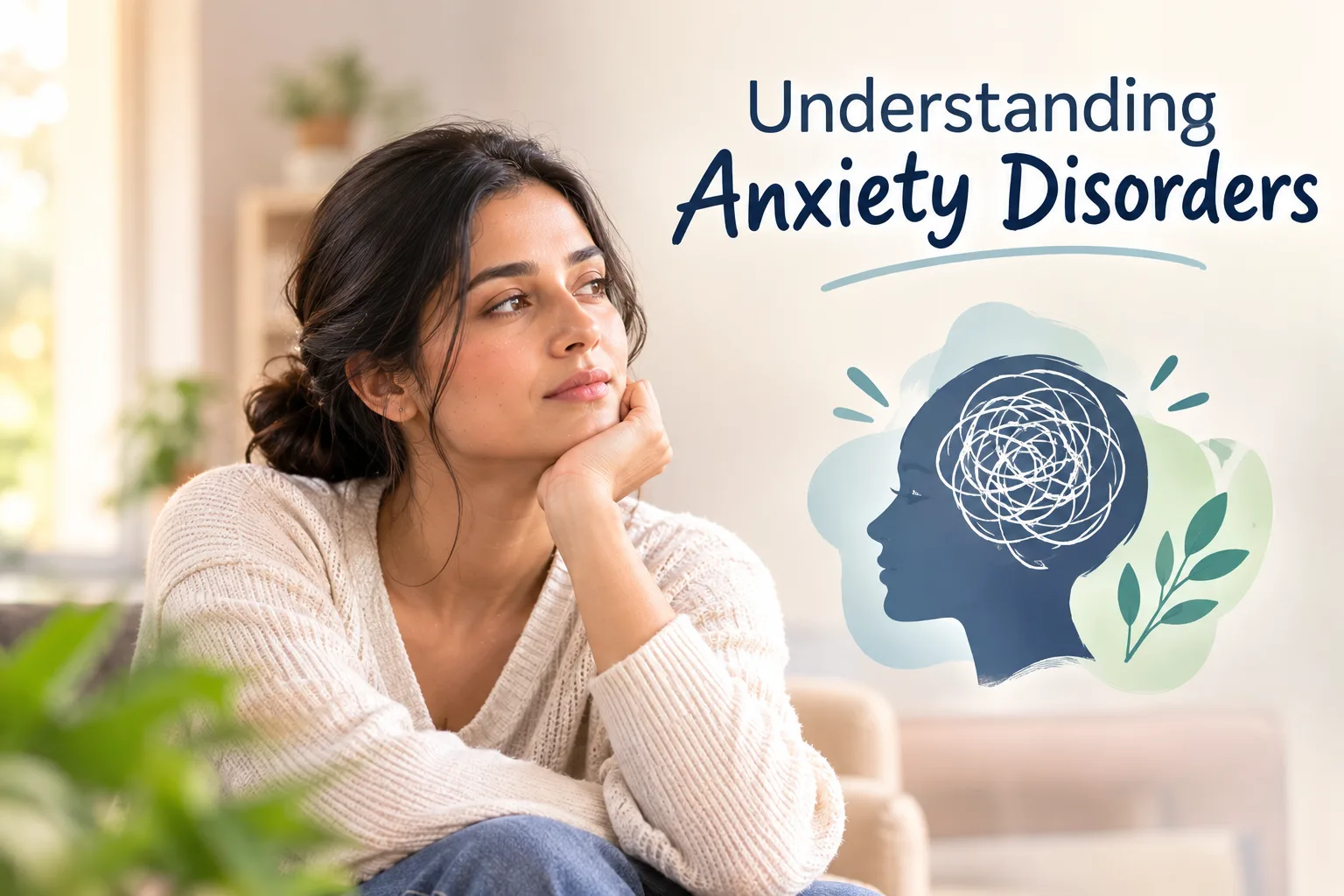
Understanding Anxiety Disorders: Symptoms, Causes, and Treatment Options
Anxiety is a natural human emotion. Everyone feels nervous or worried at times—before an exam, an important meeting, or a major life change. However, when anxiety becomes persistent, overwhelming, and begins to interfere with daily life, it may develop into an anxiety disorder. Anxiety disorders are among the most common mental health conditions worldwide, yet they are often misunderstood or ignored. Understanding their symptoms, causes, and treatment options can help individuals seek support early and manage their mental well-being effectively.
What Are Anxiety Disorders?
Anxiety disorders are a group of mental health conditions characterized by excessive fear, worry, or nervousness that is difficult to control. Unlike normal stress, anxiety disorders persist even when there is no immediate danger and may affect work, relationships, sleep, and physical health.
Common types of anxiety disorders include:
Generalized Anxiety Disorder (GAD): Constant and excessive worry about everyday situations
Panic Disorder: Sudden episodes of intense fear known as panic attacks
Social Anxiety Disorder: Fear of social situations or being judged by others
Specific Phobias: Intense fear of particular objects or situations
Separation Anxiety Disorder: Excessive fear of being away from loved ones
Symptoms of Anxiety Disorders
Anxiety affects both the mind and the body. Symptoms can vary but commonly include:
Emotional and Psychological Symptoms
Persistent worry or fear
Feeling restless or on edge
Irritability
Difficulty concentrating
Feeling overwhelmed or unable to relax
Physical Symptoms
Rapid heartbeat or palpitations
Shortness of breath
Sweating or trembling
Muscle tension
Headaches or stomach discomfort
Fatigue and sleep disturbances
Some individuals may experience panic attacks, which involve sudden intense fear, chest tightness, dizziness, and a feeling of losing control. Although frightening, panic attacks are not life-threatening.
Causes and Risk Factors
Anxiety disorders usually develop due to a combination of factors rather than a single cause.
1. Biological Factors
Brain chemistry and neurotransmitters play an important role in regulating mood and stress responses. Genetic predisposition can also increase vulnerability.
2. Psychological Factors
Personality traits such as perfectionism, high sensitivity, or a tendency toward overthinking may contribute to anxiety.
3. Life Experiences
Stressful or traumatic events—such as loss, abuse, illness, academic pressure, or major life transitions—can trigger anxiety disorders.
4. Environmental Influences
Work stress, financial concerns, social pressures, and lack of support systems may worsen anxiety symptoms.
How Anxiety Affects Daily Life
When untreated, anxiety can interfere with routine activities. Individuals may avoid social situations, struggle with decision-making, or feel constantly exhausted. Relationships may suffer due to irritability or withdrawal, and work performance may decline because of poor concentration or fear of failure.
Long-term anxiety can also impact physical health, increasing the risk of sleep problems, digestive issues, chronic pain, and weakened immunity.
Treatment Options
The encouraging news is that anxiety disorders are highly treatable. Most people improve significantly with proper care.
1. Psychotherapy (Talk Therapy)
Cognitive Behavioral Therapy (CBT) is one of the most effective treatments. It helps individuals identify negative thought patterns and replace them with healthier coping strategies.
2. Medications
Doctors may prescribe medications when symptoms are moderate to severe. These may include:
Antidepressants (such as SSRIs)
Anti-anxiety medications
Beta-blockers for physical symptoms
Medication decisions should always be made with a healthcare professional.
3. Lifestyle Changes
Daily habits play a powerful role in anxiety management:
Regular physical activity
Adequate sleep
Balanced nutrition
Limiting caffeine and alcohol
Structured daily routines
4. Stress-Management Techniques
Relaxation methods help calm the nervous system:
Deep breathing exercises
Meditation and mindfulness
Yoga or stretching
Journaling or creative activities
When to Seek Help
It is important to seek professional help if anxiety:
Persists for weeks or months
Interferes with work or relationships
Causes panic attacks
Leads to sleep problems or constant distress
Early support often leads to faster recovery and prevents symptoms from worsening.
Reducing Stigma Around Anxiety
Many people hesitate to seek help because of stigma or fear of judgment. Anxiety disorders are not signs of weakness or lack of resilience—they are medical conditions that deserve understanding and treatment. Open conversations about mental health help create supportive environments where individuals feel safe asking for help.
Anxiety disorders are common, real, and treatable conditions. While anxiety may feel overwhelming, effective treatments and coping strategies are available. With the right support—whether through therapy, lifestyle adjustments, or medical care—individuals can regain control, build resilience, and improve their quality of life.
Understanding anxiety is the first step toward healing. Seeking help is not a failure; it is a courageous step toward better mental health and overall well-being.


