Mental Health
Postpartum Mental Health
The postpartum period brings major emotional, physical, and lifestyle changes that can affect mental well-being. While mood fluctuations are common, persistent sadness, anxiety, exhaustion, difficulty bonding with the baby, or feelings of overwhelm may signal a postpartum mental health concern. Early recognition, support from loved ones, self-care, and professional help when needed can promote recovery, strengthen parent-child bonding, and support the well-being of the entire family.
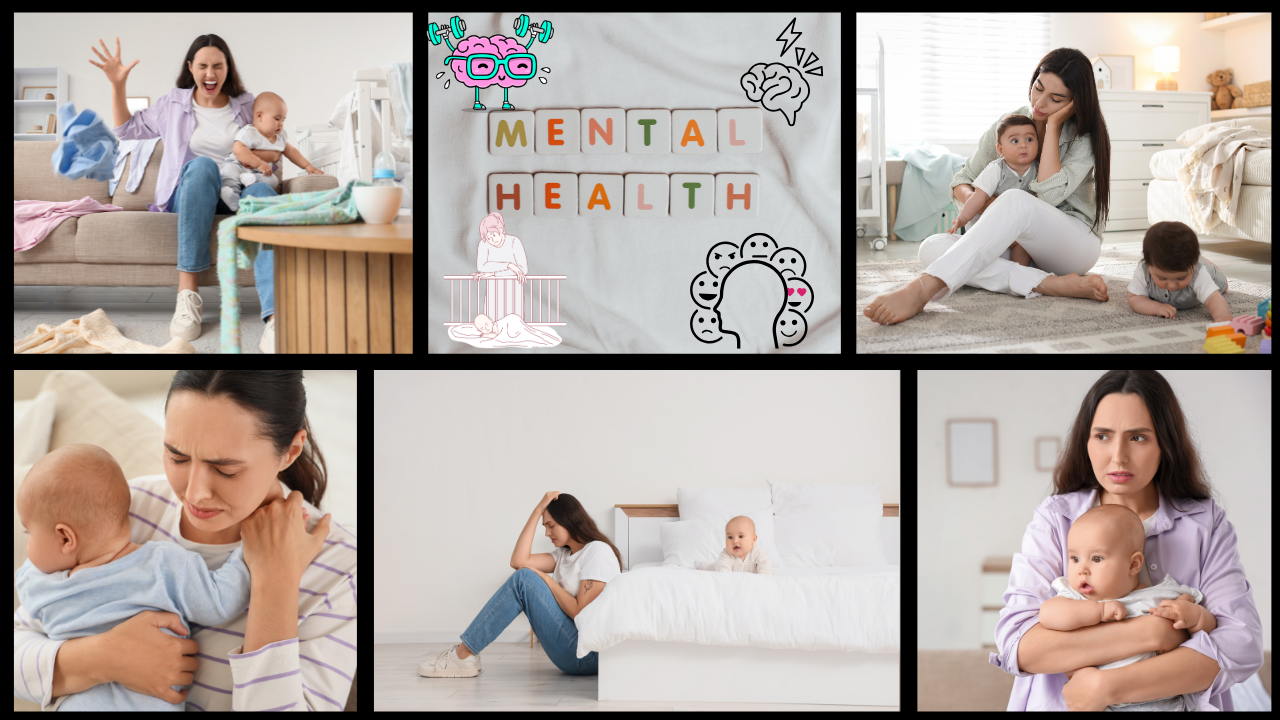
Postpartum Mental Health: What New Parents Should Know
Welcoming a new baby is often described as one of life’s happiest moments. Along with joy and excitement, however, the postpartum period also brings major physical, emotional, and lifestyle changes. Many new parents are surprised to find that this transition can feel overwhelming. Understanding postpartum mental health is important because emotional well-being after childbirth is just as vital as physical recovery—for both the parent and the baby.
What Is Postpartum Mental Health?
Postpartum mental health refers to emotional and psychological well-being during the weeks and months after childbirth. Hormonal changes, sleep deprivation, new responsibilities, and adjustments in identity and routine can strongly affect mood and emotions. These reactions are common and do not mean someone is a bad parent or ungrateful for their baby.
Postpartum mental health concerns can affect mothers, and partners may also experience emotional challenges during this period.
Common Emotional Changes After Birth
1. “Baby Blues”
Many new mothers experience mood swings within the first two weeks after delivery. Symptoms may include:
Tearfulness
Irritability
Feeling overwhelmed
Anxiety or emotional sensitivity
Baby blues are usually temporary and improve with rest and support.
2. Postpartum Depression
Postpartum depression is more intense and lasts longer than baby blues. Symptoms may include:
Persistent sadness or emptiness
Loss of interest or pleasure
Fatigue or low energy
Difficulty bonding with the baby
Feelings of guilt or inadequacy
Changes in sleep or appetite
Without support, these symptoms can affect daily functioning and caregiving.
3. Postpartum Anxiety
Some parents experience excessive worry about the baby’s health or safety, racing thoughts, restlessness, or panic attacks.
4. Postpartum Psychosis (Rare but Serious)
This is a medical emergency and may involve confusion, hallucinations, extreme mood changes, or unusual beliefs. Immediate medical attention is required.
Why Does Postpartum Mental Health Change?
Several factors contribute:
Hormonal shifts: Rapid changes in estrogen and progesterone after delivery affect mood regulation.
Sleep deprivation: Interrupted sleep impacts emotional stability.
Physical recovery: Pain and fatigue during recovery can increase stress.
Life adjustment: New responsibilities and identity changes can feel overwhelming.
Lack of support: Social isolation or unrealistic expectations may worsen emotional strain.
Previous mental health conditions or stressful life events can also increase risk.
Signs That Need Attention
New parents should seek support if they notice:
Persistent sadness lasting more than two weeks
Severe anxiety or constant worry
Difficulty caring for themselves or the baby
Feeling disconnected from the baby
Thoughts of harming oneself or the baby
Seeking help early leads to faster recovery and healthier bonding.
How Postpartum Mental Health Affects the Family
Parental mental health influences bonding, communication, and family adjustment. When emotional struggles go untreated, parents may feel isolated or overwhelmed. With proper care and support, however, families often develop stronger emotional connections and confidence in parenting.
Recovery and Support Strategies
1. Rest Whenever Possible
Sleep is essential for emotional recovery. Accept help with household tasks or childcare when available.
2. Share Feelings Openly
Talking with a partner, family member, or friend reduces emotional burden.
3. Maintain Basic Self-Care
Simple steps like regular meals, hydration, gentle walks, and fresh air can improve mood.
4. Set Realistic Expectations
Parenthood is a learning process. Perfection is not required.
5. Professional Help
Therapy, counseling, or medication (when necessary and prescribed safely) can be highly effective.
Support groups for new parents can also provide reassurance and shared understanding.
Supporting a New Parent
Family members and partners can help by:
Offering practical help rather than advice
Listening without judgment
Encouraging rest and breaks
Watching for signs of emotional distress
Supporting professional care if needed
Breaking the Stigma
Many parents hesitate to discuss postpartum emotional struggles because they feel they should only feel happiness. In reality, emotional challenges after childbirth are common and treatable. Talking openly helps normalize these experiences and ensures parents receive the care they deserve.
A Message of Reassurance
Experiencing emotional changes after childbirth does not mean someone is failing as a parent. It means they are human, adjusting to one of life’s biggest transitions. With support, understanding, and proper care, recovery is not only possible but expected.
Postpartum mental health is an essential part of maternal and family well-being. Recognizing emotional changes, seeking help early, and building supportive environments help parents thrive during this important phase. Caring for a parent’s mental health ultimately supports the health, bonding, and development of the entire family.
No parent has to navigate this journey alone—help, healing, and hope are always available.


