Mental Health
Why Mental Health Matters
Mental health influences how we think, feel, handle stress, and connect with others. Good mental well-being supports emotional balance, healthy relationships, productivity, and overall quality of life. Factors such as stress, life challenges, physical health, and social support can affect mental wellness. Prioritizing sleep, exercise, self-care, and seeking support when needed can help build resilience and improve long-term well-being.
Why Mental Health Matters
Most of us have experienced a day when everything felt heavier than usual. You wake up tired even after sleeping, small problems feel overwhelming, and your mind refuses to slow down. Yet when someone asks how you are doing, the automatic response is often, “I’m fine.”
This simple moment reflects a larger reality: while we talk easily about physical illnesses like fever, back pain, or blood pressure, conversations about mental health often remain quiet or avoided. But mental health is not separate from our everyday life—it is a fundamental part of how we live, think, feel, and connect with others.
Mental Health Shapes Everyday Life
Imagine two people starting the same day. Both have similar responsibilities—work, family, daily tasks. One wakes up feeling mentally calm and focused. The other wakes up feeling anxious, exhausted, or emotionally drained.
Although their circumstances may be similar, their experiences of the day can be very different.
Mental health influences how we handle stress, how confident we feel about decisions, and how we respond when things go wrong. When our mental health is stable, challenges feel manageable. We can think clearly, communicate better, and recover from setbacks more easily.
But when our mental well-being is struggling, even routine tasks can feel difficult. Concentrating on work becomes harder, conversations feel draining, and hobbies that once brought joy may no longer feel enjoyable. This does not mean someone is weak or incapable—it simply means the mind, like the body, sometimes needs care and rest.
The Mind and Body Are Deeply Connected
Many people are surprised to learn how strongly mental health affects the body. Stress and emotional strain often show up physically.
A person experiencing ongoing anxiety may develop headaches, muscle tension, stomach discomfort, or difficulty sleeping. Someone dealing with depression may feel persistent fatigue, low energy, or frequent illness due to weakened immunity.
Think about the last time you were extremely stressed. Perhaps your shoulders felt tight, your sleep was disturbed, or your stomach felt uneasy. These are not coincidences—they are reminders that the brain and body constantly communicate with each other.
Just as a healthy body supports a healthy mind, taking care of emotional well-being also improves physical health.
Mental Health Challenges Are Not Personal Failures
For many years, mental health struggles were misunderstood. People were sometimes told to “be strong,” “think positive,” or simply “get over it.” Unfortunately, this misunderstanding created stigma and prevented many individuals from seeking help.
Mental health conditions such as anxiety, depression, or burnout are not signs of weakness. They are influenced by many factors, including genetics, life experiences, trauma, chronic stress, and environmental pressures.
Consider a young professional who works long hours, constantly tries to meet expectations, and rarely takes time to rest. Over time, the constant pressure may lead to exhaustion and emotional burnout. This is not a failure of character—it is a natural response to prolonged stress.
Understanding this helps us replace judgment with empathy, both toward others and toward ourselves.
The Power of Early Support
When someone develops a fever or persistent cough, they usually seek treatment before the condition worsens. Mental health deserves the same level of attention.
Early support can make a remarkable difference. Sometimes the first step is simply sharing what you are feeling with someone you trust—a friend, family member, or colleague. Other times, it may involve speaking with a counselor, psychologist, or doctor.
Small changes can also help restore balance: stepping away from constant work pressure, reconnecting with activities that bring joy, practicing relaxation techniques, or improving sleep routines.
The earlier we address emotional difficulties, the easier it is to recover and maintain long-term well-being.
Mental Health Influences Relationships
Our emotional state shapes how we interact with others. When people feel overwhelmed, they may withdraw socially, become irritable, or struggle to express their thoughts clearly. Loved ones may not always understand these changes, which can lead to misunderstandings or distance in relationships.
On the other hand, good mental health strengthens relationships. It allows us to listen more patiently, communicate more openly, and respond to others with empathy.
Healthy families, friendships, and workplaces often grow from environments where emotional well-being is recognized and supported.
Breaking the Silence Around Mental Health
One of the biggest barriers to mental health care is stigma. Many people worry about being judged if they talk openly about their feelings. As a result, they may suffer quietly for months or even years.
However, change is gradually happening. Public conversations about mental health are becoming more common, and more people are recognizing that emotional struggles are part of the human experience.
When someone speaks honestly about their mental health, it often encourages others to do the same. These conversations remind us that we are not alone in our struggles.
Creating supportive communities—at home, in schools, and in workplaces—can help people feel safe seeking help without fear or shame.
Small Habits That Support Mental Wellness
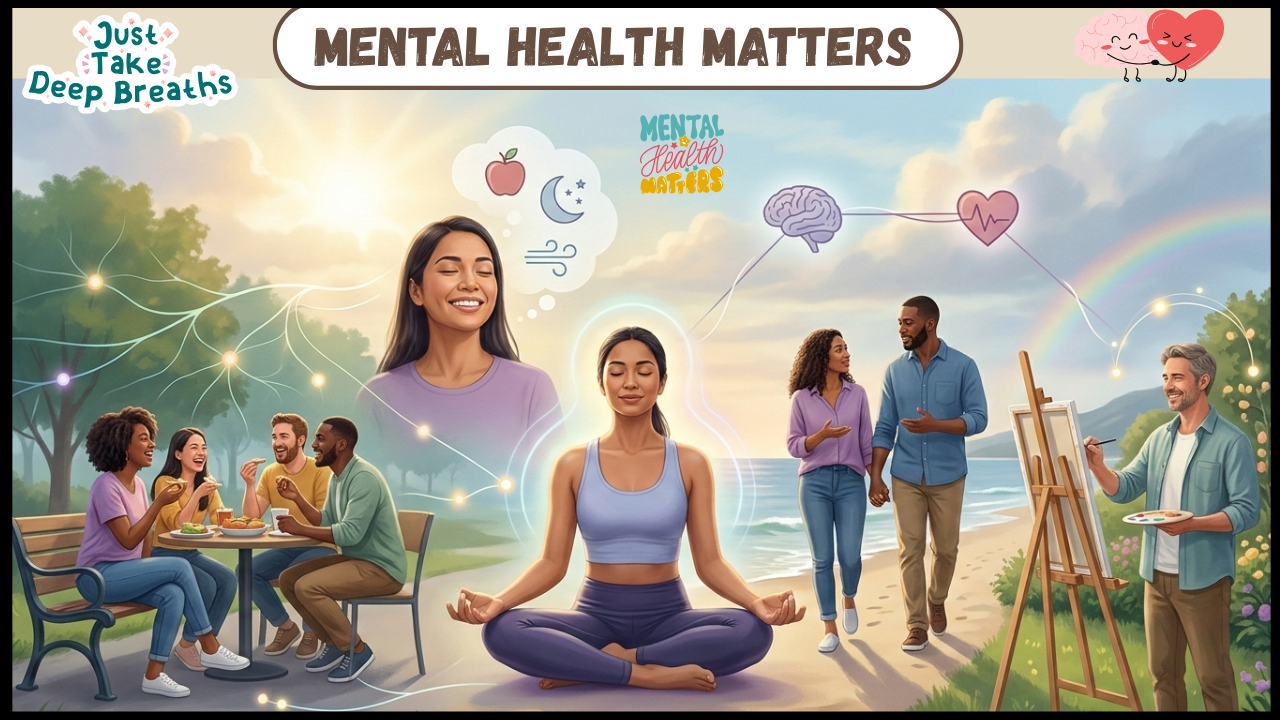
Taking care of mental health does not always require dramatic changes. Often, it begins with simple daily habits that strengthen emotional resilience.
Some helpful practices include:
Maintaining a regular sleep schedule
Eating balanced and nourishing meals
Engaging in regular physical activity
Taking breaks during stressful workdays
Practicing mindfulness or breathing exercises
Spending time with supportive friends and family
Making space for hobbies, creativity, or relaxation
These habits act like daily maintenance for the mind, helping it recover from stress and remain balanced.
A Healthier Perspective on Mental Wellness
Good mental health does not mean feeling happy all the time. Life naturally includes challenges, disappointments, and emotional ups and downs. True mental wellness means having the ability to adapt, cope, and recover during difficult moments.
It involves understanding our emotions, recognizing when we need support, and allowing ourselves the space to rest and heal.
Why Mental Health Truly Matters
Mental health touches every part of our lives—our thoughts, relationships, productivity, physical health, and overall sense of purpose. When we care for our minds, we strengthen our ability to live meaningful and fulfilling lives.
By encouraging open conversations, practicing empathy, and prioritizing emotional well-being, we create healthier individuals and stronger communities.
Mental health is not a luxury or an afterthought. It is a vital part of being human.
And just like physical health, it deserves attention, care, and compassion—every single day.


