Mental Health
Understanding Stress in Daily Life
Stress is a normal part of life, but when it becomes constant, it can affect both physical and mental health. Warning signs may include persistent tiredness, headaches, sleep problems, digestive issues, irritability, poor concentration, appetite changes, and feeling overwhelmed. Recognizing these signals early is important. Healthy habits such as regular exercise, quality sleep, relaxation, and seeking support when needed can help manage stress and protect overall well-being
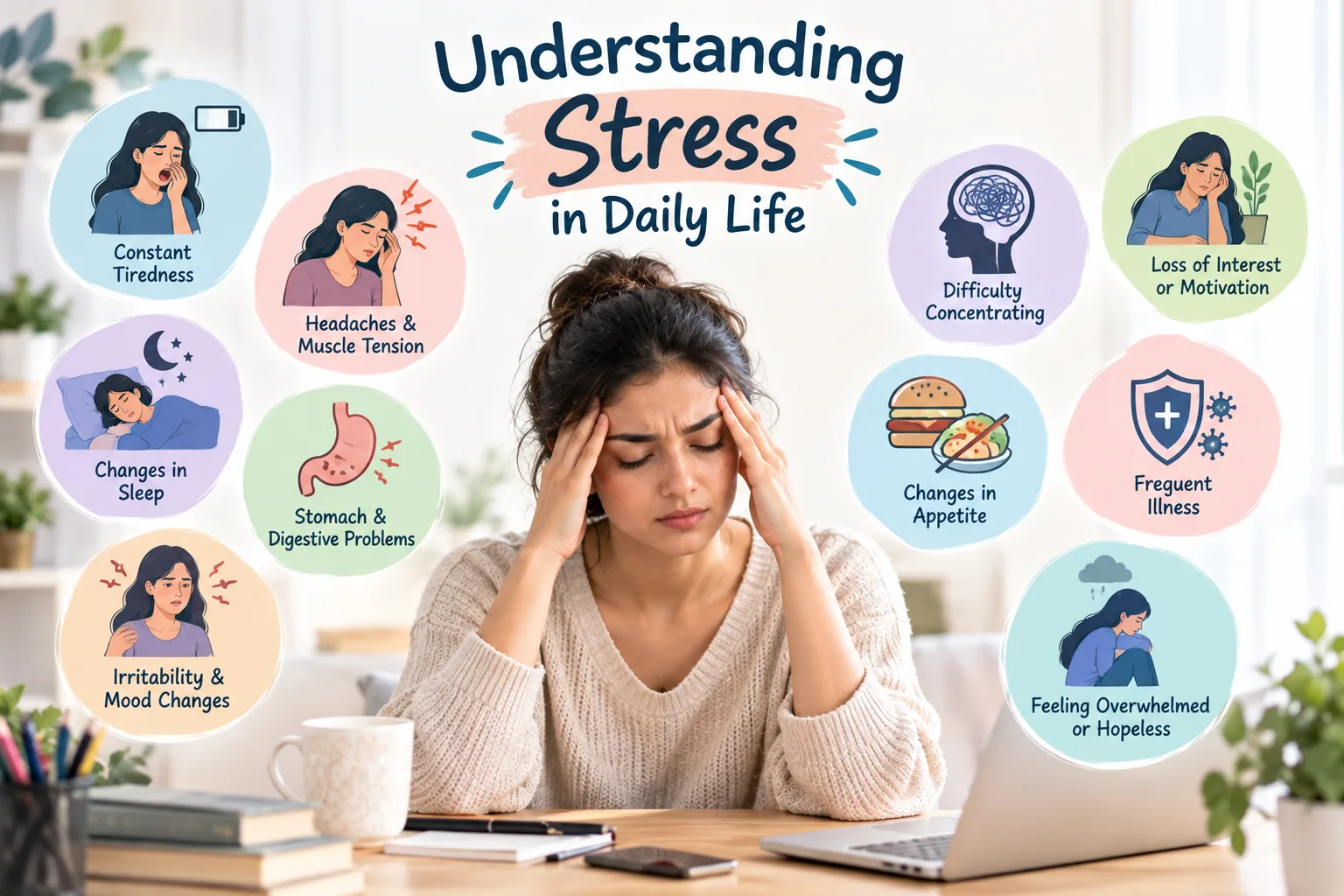
Understanding Stress in Daily Life
Stress is something almost everyone experiences. A little bit of stress can actually be helpful—it can motivate us to meet deadlines, solve problems, or respond quickly in challenging situations. But when stress becomes constant and overwhelming, it can quietly begin to affect both our physical health and emotional well-being.
As a doctor, I often meet people who come to the hospital with headaches, stomach problems, or trouble sleeping. After a conversation, it often becomes clear that stress is playing a much bigger role in their health than they initially realized. The body has its own way of sending warning signals, and learning to recognize these signs early can make a big difference.
Below are some important signals of stress that should never be ignored.
Constant Tiredness
Everyone feels tired occasionally, especially after a busy day. But when someone feels exhausted even after a full night’s sleep, stress may be draining their energy.
Chronic stress keeps the body in a constant “alert mode,” as if it is always preparing for danger. This state uses a lot of physical and mental energy. Over time, people may begin to feel drained, unmotivated, and mentally fatigued, even without doing physically demanding work.
Headaches and Muscle Tension
Stress often appears in the body through muscle tension. Many people notice:
Frequent headaches
Tightness in the neck and shoulders
Back pain
Jaw clenching or teeth grinding
For example, someone working long hours under pressure may not notice how tightly they hold their shoulders or clench their jaw throughout the day. Over time, this tension can turn into persistent pain.
Changes in Sleep
Sleep is one of the first things stress tends to disturb. Some people find it difficult to fall asleep because their mind keeps replaying worries or unfinished tasks. Others may wake up repeatedly during the night or wake very early feeling unrefreshed.
Poor sleep then increases stress levels the next day, creating a frustrating cycle where stress and sleep problems feed into each other.
Stomach and Digestive Problems
Many people underestimate how strongly the brain and gut are connected. Stress can easily affect digestion and may cause symptoms such as:
Acidity or heartburn
Stomach discomfort
Bloating
Diarrhea or constipation
Sometimes patients undergo several medical tests only to discover that stress is a major contributor to their digestive symptoms.
Irritability and Mood Changes
Stress does not only affect the body—it affects emotions as well. People under prolonged stress may notice that they become easily irritated or impatient.
You may find yourself getting angry over small issues, feeling unusually frustrated, or becoming emotional without fully understanding why. These mood changes are often signals that your mind is feeling overloaded.
Difficulty Concentrating
Have you ever sat down to work but found your mind wandering constantly? Stress can interfere with memory, concentration, and decision-making.
People experiencing high stress often report feeling mentally “foggy.” They may forget small tasks, struggle to focus on conversations, or feel like their thoughts are scattered.
This happens because the brain is busy dealing with stress signals instead of focusing on normal cognitive tasks.
Loss of Interest or Motivation
When stress continues for a long time, people may begin to withdraw from activities they once enjoyed. Hobbies, social gatherings, or even simple pleasures like reading or watching a favorite show may feel unappealing.
This loss of interest can sometimes be an early sign of burnout or emotional exhaustion.
Changes in Appetite
Stress can affect eating habits in different ways. Some people cope with stress by eating more than usual, especially comfort foods. Others lose their appetite entirely and may skip meals without realizing it.
Both patterns can disrupt the body’s natural balance and may lead to further health problems if they continue for a long time.
Frequent Illness
Chronic stress weakens the immune system. When the body remains under stress for extended periods, it becomes harder to fight infections.
People under prolonged stress may notice that they catch colds more often, feel run down frequently, or take longer to recover from illness.
Feeling Overwhelmed or Hopeless
One of the most serious signs of stress is the feeling of being constantly overwhelmed. Some people describe it as feeling like they are “drowning in responsibilities” or unable to cope with daily demands.
If stress begins to create feelings of helplessness or hopelessness, it is important to seek support. These emotions are signals that the mind needs care and attention.
Listening to the Signals
Stress rarely appears suddenly. Instead, it builds gradually through small signals from the body and mind. Unfortunately, many people ignore these early signs, assuming they will pass on their own.
In reality, paying attention to these signals early can prevent more serious health problems later.
Simple steps such as taking breaks, improving sleep routines, exercising regularly, and talking to someone you trust can significantly reduce stress. In some cases, professional guidance from a counselor, psychologist, or physician can provide valuable support.
Stress is the body’s way of telling us that something needs attention. Ignoring it does not make it disappear—it only makes the message louder over time.
Taking care of your mental well-being is not a luxury. It is an essential part of maintaining a healthy, balanced life.
And most importantly, if stress ever feels too heavy to manage alone, remember that help is always available. Reaching out is not a sign of weakness—it is a step toward healing and strength.


