The Gewo Journal

Health knowledge,
from doctors.

Explore practical, patient-friendly guidance published by doctors in the Gewo care network. No account is required to read.

107 published articles

Latest thinking

All doctor blogs

73
Mental Health4 min read

Mental Health in Teenagers

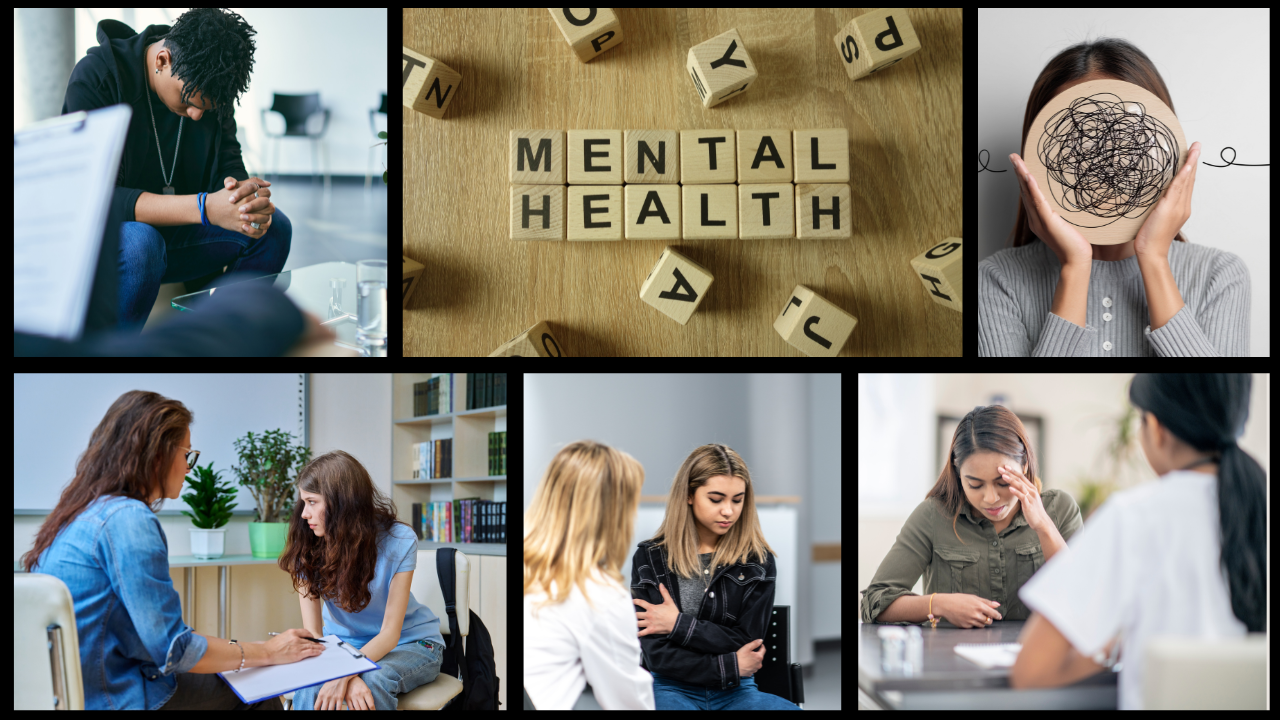
Adolescence is a time of major emotional and social change, making mental health support more important than ever. Persistent mood changes, social withdrawal, academic decline, sleep disturbances, irritability, or loss of interest in activities may be warning signs that should not be ignored. Early recognition, open communication, and timely professional support can help teenagers build resilience, improve emotional well-being, and navigate challenges with confidence.
By Dr. Mansi Singh
74
Health Tips3 min read

Headache red flag signs

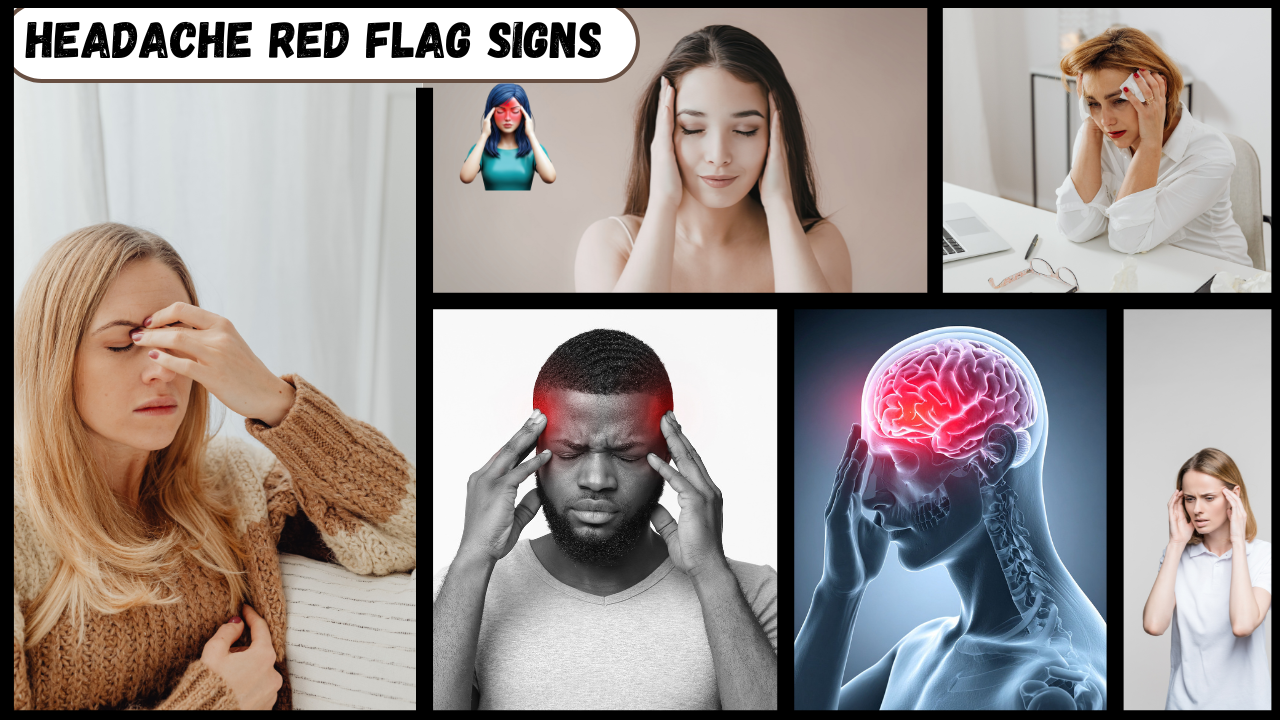
Most headaches are harmless, but some can signal a serious medical emergency. Warning signs include a sudden severe headache, weakness, slurred speech, fever with neck stiffness, seizures, persistent vomiting, headaches after head injury, or a new headache after age 50. These symptoms may indicate conditions such as stroke, meningitis, or bleeding in the brain. Recognizing red flag signs early and seeking immediate medical attention can be life-saving.

By Dr. Mansi Singh
75
Mental Health4 min read

Understanding Depression

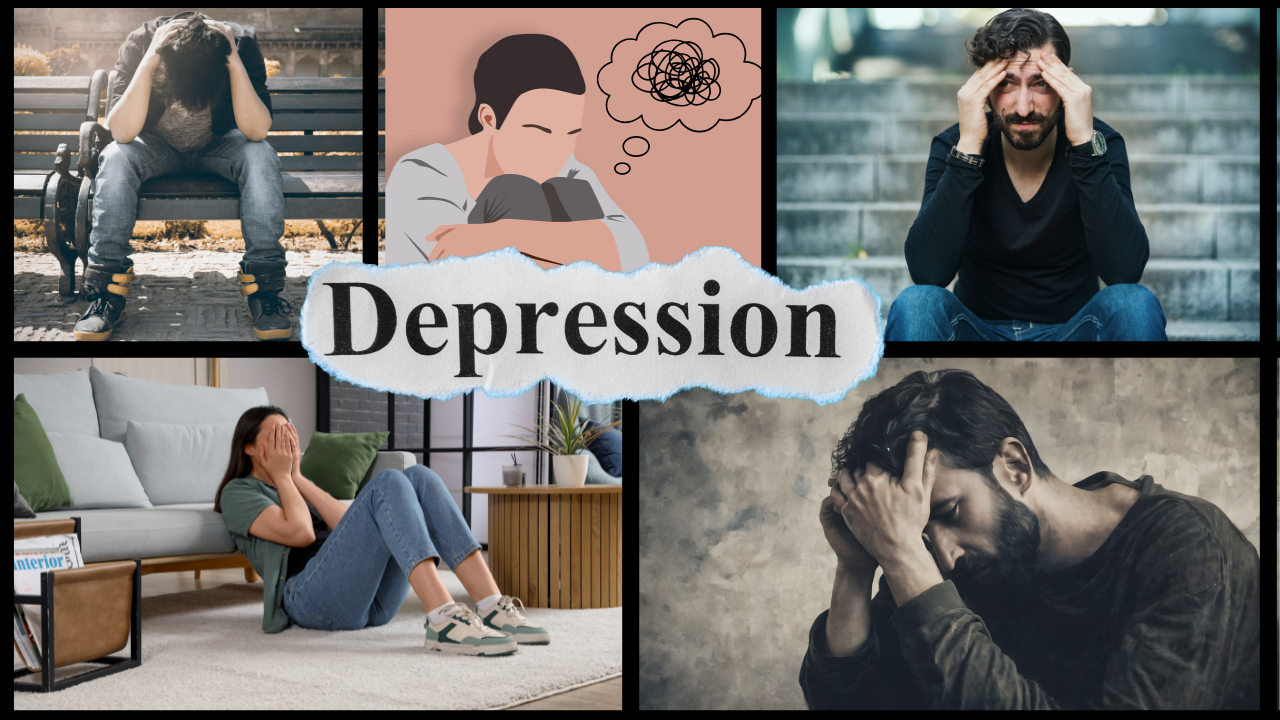
Depression is more than feeling sad—it is a common mental health condition that can affect emotions, energy, sleep, concentration, and daily life. Symptoms may include persistent low mood, loss of interest, fatigue, changes in sleep or appetite, and feelings of hopelessness. Early recognition and professional support can make a significant difference. Depression is treatable, and with the right care, recovery and improved well-being are possible.

By Dr. Mansi Singh
76
Mental Health4 min read

Daily Practices for Mental wellness

Mental wellness is built through small daily habits that support emotional balance, resilience, and overall well-being. Simple practices such as mindful breathing, regular physical activity, healthy eating, quality sleep, gratitude, social connection, and self-compassion can help reduce stress and improve mental health. Consistency matters more than perfection. By making time each day to care for your mind, you can build a stronger foundation for long-term emotional wellness.

By Dr. Mansi Singh
77
Mental Health6 min read

Migraines

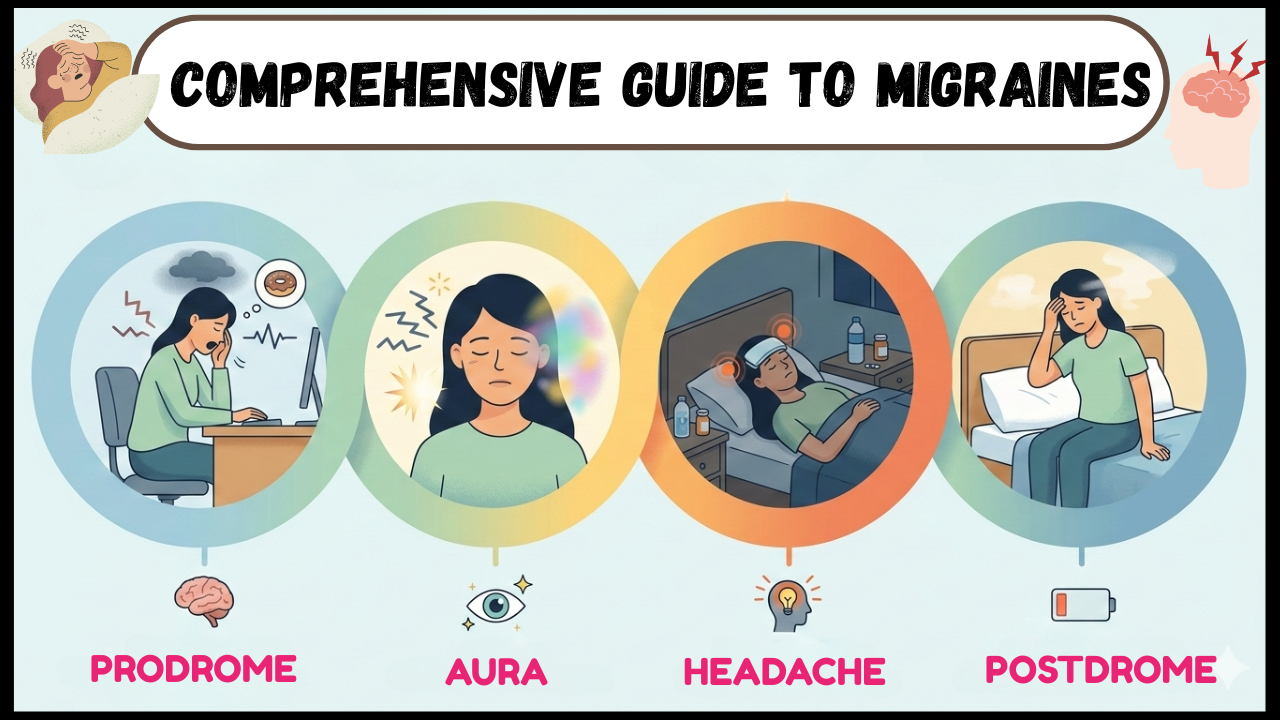
Migraines are more than just headaches. They are a neurological condition that can cause intense throbbing pain, nausea, dizziness, and sensitivity to light, sound, or smells. Triggers such as stress, dehydration, lack of sleep, hormonal changes, and certain foods can increase the risk of attacks. While there is no permanent cure, early treatment, lifestyle adjustments, trigger management, and medical support can help reduce migraine frequency and improve quality of life. 🧠💜

By Dr. Mansi Singh
78
Mental Health4 min read

Depression in Seniors

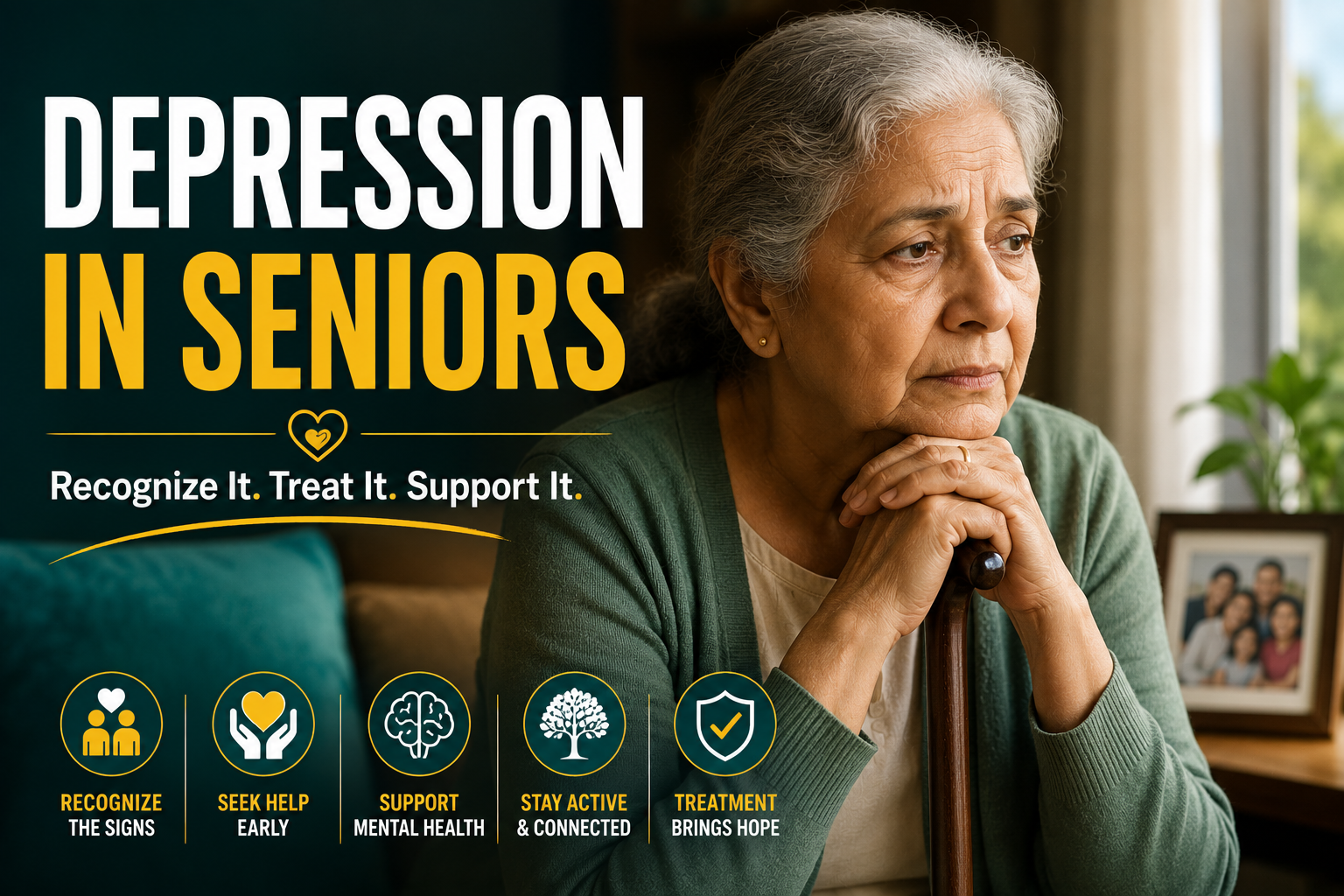
Depression is not a normal part of aging. It is a common but treatable mental health condition that affects many older adults. Symptoms may include persistent sadness, loss of interest in activities, fatigue, sleep problems, changes in appetite, and social withdrawal. Early recognition and professional support can make a significant difference. With proper treatment, social connection, and compassionate care, seniors can improve their emotional well-being and quality of life. 💙

79
Mental Health4 min read

Burnout Syndrome

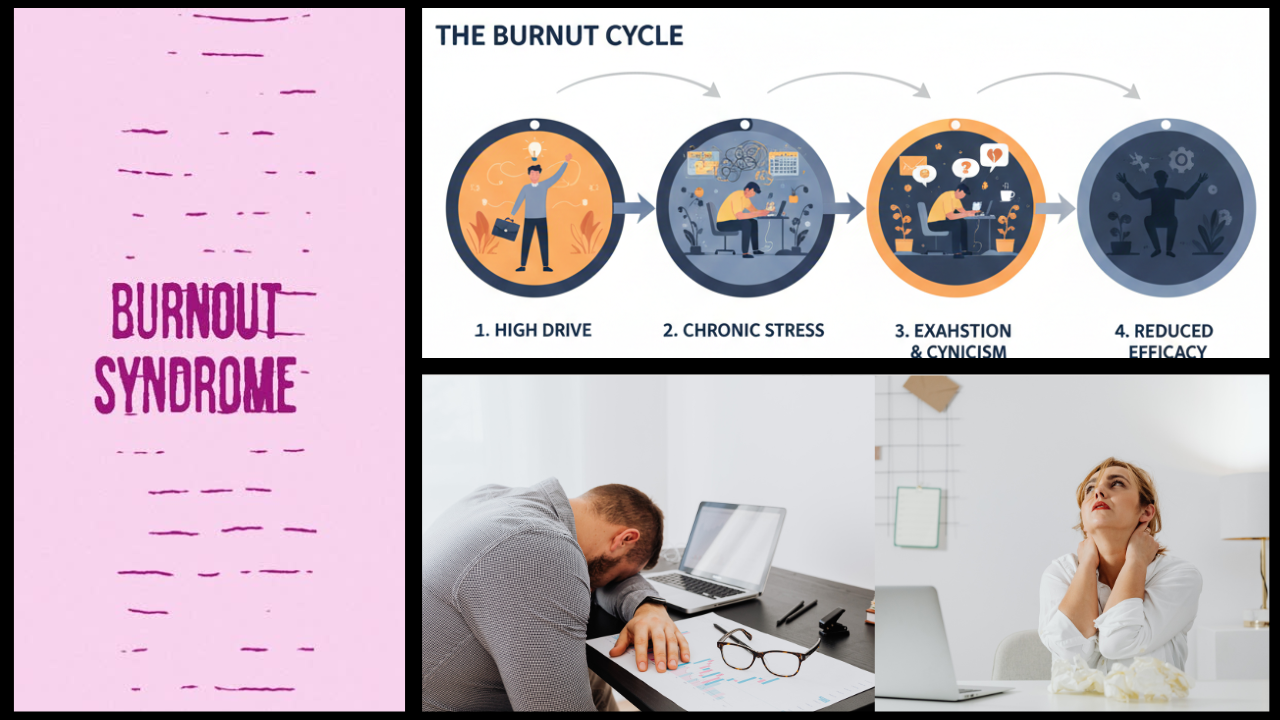
Burnout syndrome is more than feeling tired—it is a state of emotional, physical, and mental exhaustion caused by prolonged stress. Common signs include chronic fatigue, loss of motivation, irritability, sleep problems, and reduced productivity. This article explores the causes of burnout, how it differs from everyday stress, and practical recovery strategies such as setting boundaries, improving sleep, strengthening support systems, and seeking professional help when needed.

By Dr. Mansi Singh
80
Wellness4 min read

Take Charge of Your Health

A Well-Woman Exam is more than a routine checkup—it’s an essential step toward lifelong health. Annual visits help detect problems early, monitor heart health, hormones, and reproductive wellness, and provide guidance on nutrition, mental health, and menopause. From Pap smears and breast exams to STI screening and bone health assessments, preventive care empowers women to stay informed, healthy, and confident through every stage of life.

By Dr. Nayaab Saeed
81
Wellness5 min read

Surprising Truths About Hormon's Health

Many women grow up fearing breast cancer, yet heart disease remains the leading cause of death among women. This article explores common myths in women’s health, including gender bias in medical research, overlooked heart attack symptoms, delayed diagnosis of women’s pain, menopause hormone therapy misconceptions, and the realities of Alzheimer’s disease and PCOS. Understanding these facts can help women make informed health decisions and advocate for better care.

By Dr. Nayaab Saeed
82
Other4 min read

Why Is My Elderly Loved One Acting So Different?

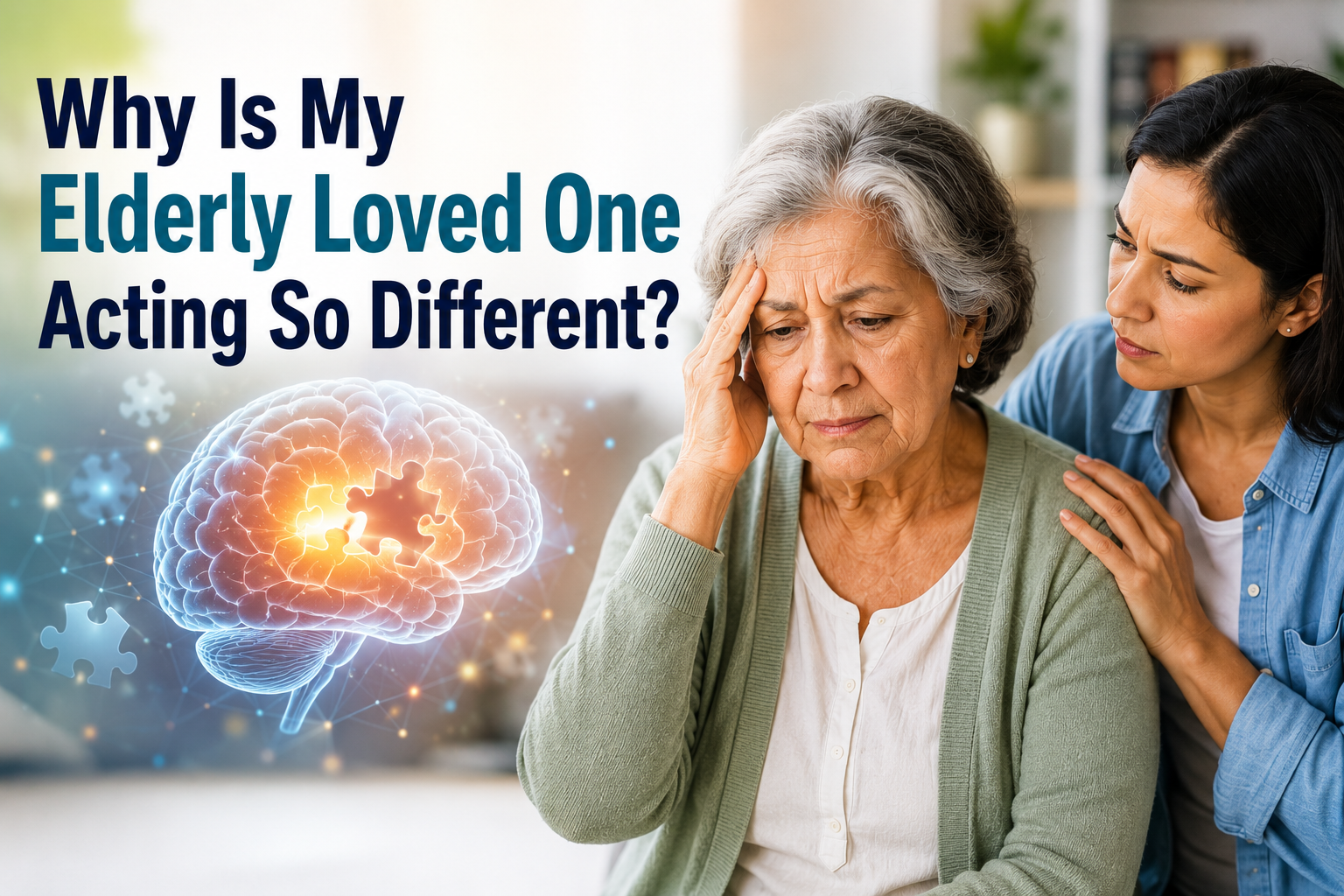
Have you noticed an elderly loved one acting unusually confused, angry, withdrawn, or forgetful? Sudden personality changes are not always a normal part of aging and may signal treatable conditions such as infections, stroke, medication side effects, depression, or dementia. Early recognition and medical evaluation can make a significant difference. Learn the warning signs, prevention tips, and when to seek urgent medical care to protect health and well-being.

83
Other4 min read

Understanding Delirium

Sudden confusion in older adults is often mistaken for dementia, but it may be caused by delirium or other reversible medical conditions. Unlike dementia, which develops gradually, delirium appears suddenly and can result from infections, dehydration, medications, poor sleep, or illness. Recognizing warning signs early and seeking prompt medical care can improve recovery and protect brain health. Learn the key differences, causes, symptoms, treatment options, and when to seek urgent help.

84
Other6 min read

Understanding Dementia: A Simple Guide for Everyone

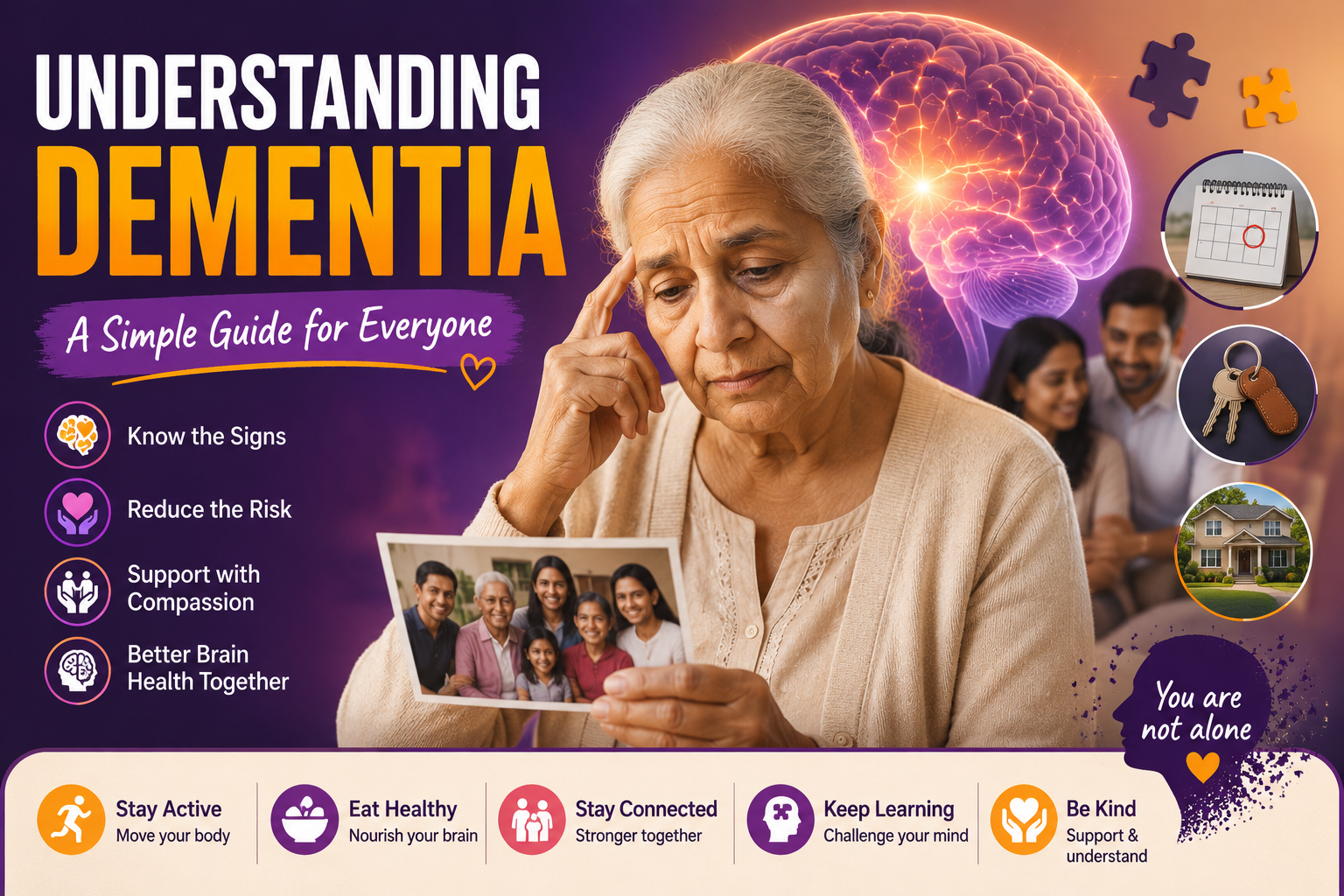
Dementia is not a normal part of aging. It is a group of conditions that affect memory, thinking, communication, and daily functioning. Early signs may include forgetfulness, confusion, difficulty completing familiar tasks, or changes in mood and behavior. While age is a major risk factor, healthy lifestyle habits, early diagnosis, and proper support can help improve quality of life. Understanding dementia is the first step toward reducing stigma and promoting better brain health.