Mental Health
Simple Ways to Reduce Stress
Stress is a natural part of life, but when it builds up, it can affect both mental and physical health. Small daily habits can make a big difference. Deep breathing, regular movement, quality sleep, healthy eating, staying hydrated, taking breaks, limiting screen time, and talking to trusted people can help reduce stress levels. Making time for enjoyable activities and practicing self-kindness also support emotional well-being. Managing stress starts with simple, consistent steps every day.
Simple Ways to Reduce Stress
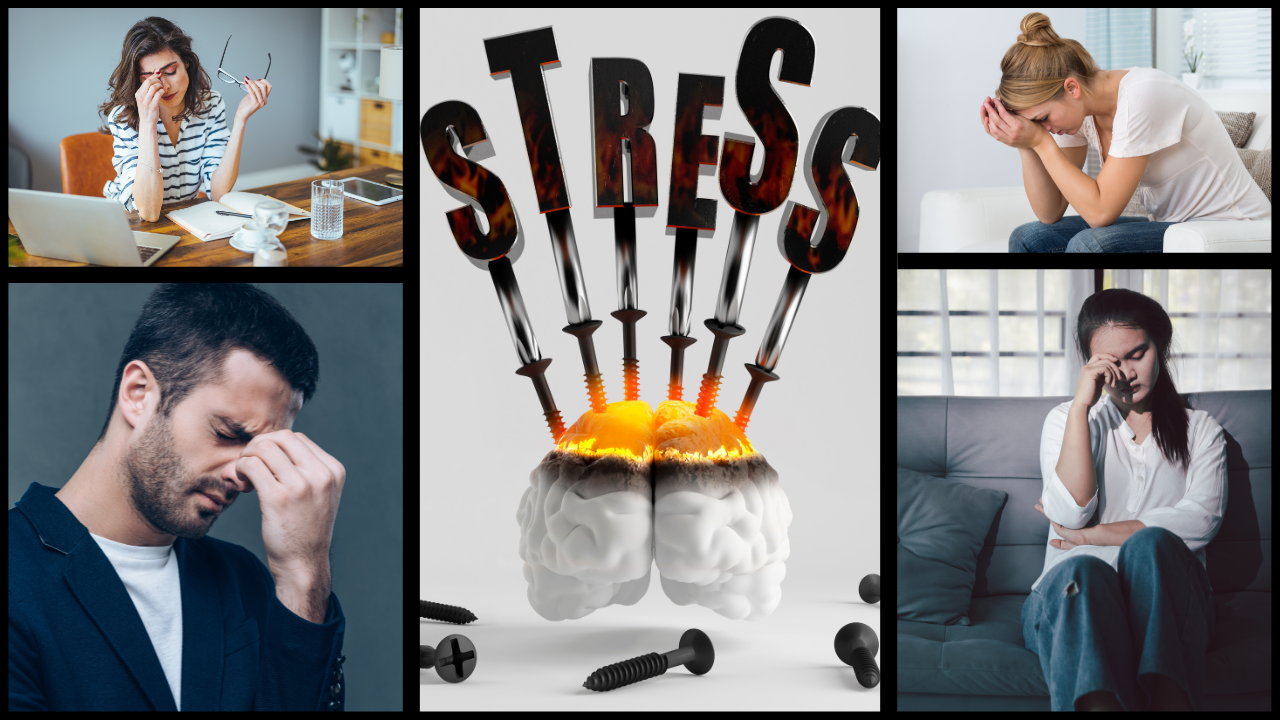
Stress has quietly become a part of everyday life. Work pressure, family responsibilities, financial worries, health concerns, and constant digital distractions can slowly build up and leave us feeling exhausted—both mentally and physically. While stress cannot always be avoided, the way we respond to it can make a huge difference. The good news is that you don’t need complicated techniques or expensive solutions to feel better. Small, simple habits practiced daily can greatly reduce stress and improve your overall well-being.
1. Slow Down and Breathe Deeply
When stress hits, our body automatically goes into “fight or flight” mode. Breathing becomes fast, the heart races, and muscles tighten. Slow, deep breathing helps calm this response. Sit comfortably, close your eyes if you like, and take a slow breath in through your nose. Feel your chest and belly expand. Hold for a moment, then breathe out slowly through your mouth. Doing this for just a few minutes can lower your heart rate and bring a sense of calm.
2. Keep Your Body Moving
Physical movement is one of the most effective stress relievers. Exercise releases natural chemicals in the brain that improve mood and reduce anxiety. You don’t need intense workouts—simple activities like walking, stretching, light yoga, or even household chores can help. Regular movement also improves sleep and energy levels, making it easier to handle daily challenges.
3. Protect Your Sleep
Sleep and stress are closely connected. Poor sleep increases stress, and stress makes it harder to sleep. Try to maintain a regular sleep routine by going to bed and waking up at the same time each day. Create a calming bedtime routine—dim the lights, avoid screens before sleeping, and keep your bedroom comfortable. Quality sleep allows your body and mind to recover and face the next day with more clarity.
4. Talk About What You’re Feeling
Stress often feels heavier when you keep it to yourself. Talking to someone you trust—a friend, family member, or colleague—can bring immediate relief. You don’t always need advice or solutions; sometimes just expressing your feelings helps reduce the emotional load. Sharing your worries reminds you that you’re not alone.
5. Take Breaks Without Guilt
Many people feel guilty for taking breaks, especially at work. But constant work without rest only increases stress and reduces productivity. Short breaks help refresh the mind. Stand up, stretch, drink water, or simply step outside for fresh air. Even a few minutes can help reset your focus and energy.
6. Reduce Screen and Social Media Time
Phones, emails, news, and social media can overload the mind and increase anxiety. Constant notifications keep your brain in a state of alertness. Try setting limits on screen time—especially before bed and during meals. Spending less time online creates mental space and allows you to be more present in real life.
7. Make Time for Things You Enjoy
Stress often pushes joy to the bottom of our priority list. Doing things you enjoy—listening to music, reading, cooking, gardening, drawing, or watching something funny—helps the brain relax and recharge. Even a short moment of joy each day can improve your mood and resilience.
8. Eat Well and Stay Hydrated
What you eat affects how your body handles stress. Skipping meals, eating too much sugar, or drinking excessive caffeine can make stress symptoms worse. Try to eat balanced meals at regular times and drink enough water. A nourished body is better equipped to manage emotional and physical stress.
9. Learn to Set Boundaries
Taking on too many responsibilities can quickly lead to burnout. It’s okay to say no when you’re overwhelmed. Setting boundaries protects your time, energy, and mental health. Remember, you cannot pour from an empty cup—taking care of yourself helps you care better for others.
10. Be Kind to Yourself
Many people are their own harshest critics. Stress increases when you expect perfection from yourself. Accept that mistakes are part of being human. Practice self-compassion and remind yourself that doing your best is enough.
11. Seek Professional Support When Needed
If stress feels constant, overwhelming, or starts affecting your daily life, relationships, or health, seeking professional help is important. Talking to a doctor or mental health professional can provide guidance, support, and treatment options. Asking for help is a sign of strength, not weakness.


