Patient Education
Why Is the Gut Called the “Second Brain”? Have you ever felt “butterflies” in your stomach before an exam, or noticed that stress gives you an upset belly?
The gut is often called the “second brain” because the digestive system has its own nervous system and communicates continuously with the brain through the gut–brain axis. The gut microbiome, immune system, hormones, and vagus nerve all contribute to this two-way connection. Diet, stress, sleep, physical activity, and medications can influence gut and mental health. Supporting a healthy gut through balanced nutrition and lifestyle habits may benefit overall well-being.
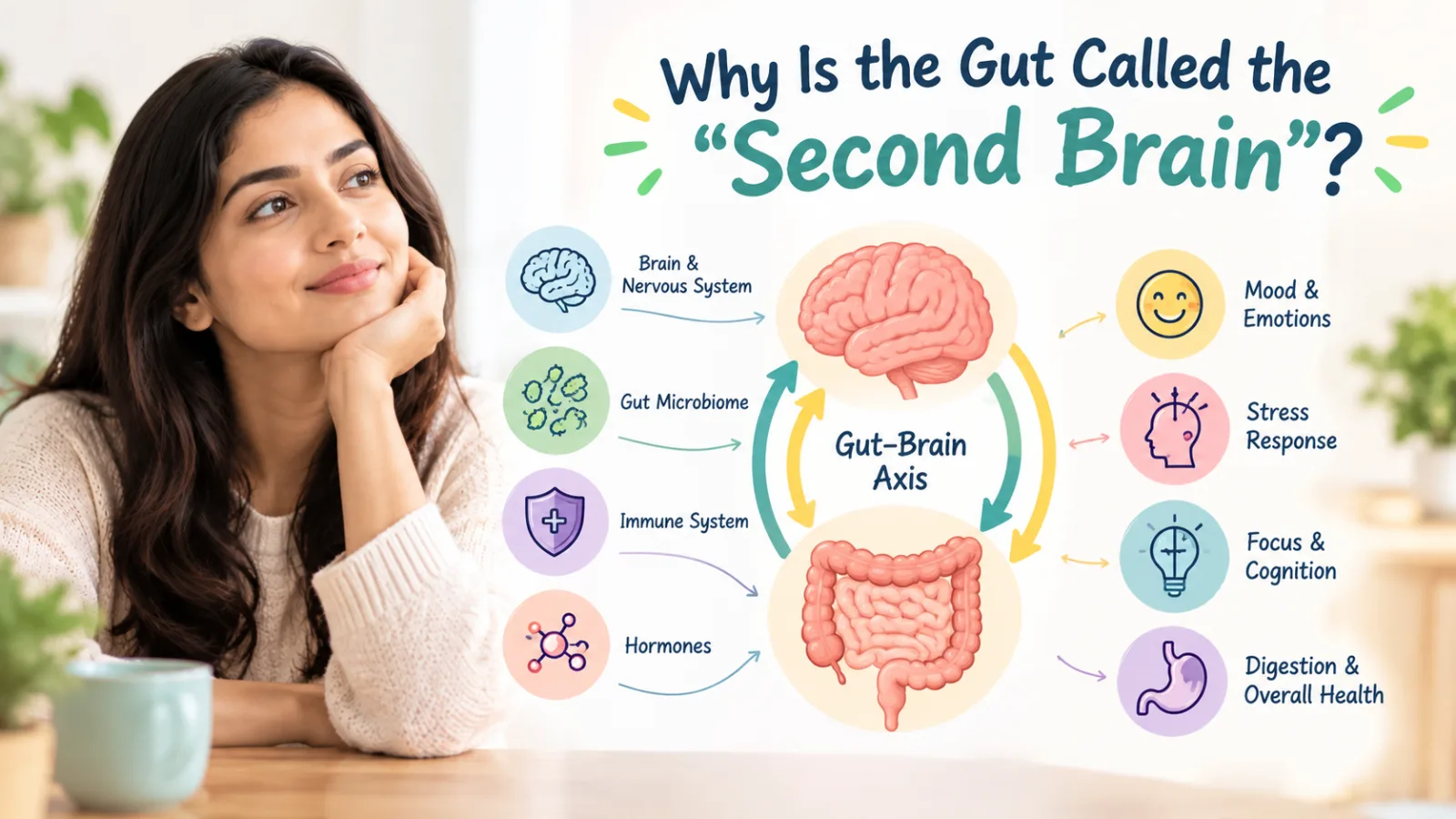
Have you ever felt “butterflies” in your stomach before an exam, or noticed that stress gives you an upset belly?
These are everyday examples of a powerful, two-way link between your gut and your mind. Scientists now often call the gut the “second brain” because it contains its own complex nervous system, produces many of the same chemicals as the brain, and constantly communicates with your thoughts, emotions, and stress levels. This network is known as the gut–brain axis, and it plays a key role in mental health.
What Is the Gut–Brain Axis?
The gut–brain axis is a communication highway between:
● Your central nervous system (brain and spinal cord)
● Your enteric nervous system (the “brain in the gut,” a mesh of nerves lining your digestive tract)
● Your gut microbiome (trillions of bacteria, fungi, and viruses in your intestines)
● Your immune and hormone systems
Signals travel back and forth through:
● The vagus nerve, a major nerve connecting gut and brain.
● Neurotransmitters like serotonin, dopamine, and GABA.
● Immune molecules (cytokines) and stress hormones (like cortisol).
● Microbial metabolites such as short-chain fatty acids (SCFAs).
About 90% of the body’s serotonin, a chemical strongly involved in mood, sleep, and appetite is made in the gut, not the brain. Gut microbes also help produce or influence GABA (calming), dopamine (reward and motivation), and other brain-active compounds. Because of this rich network, the gut can influence how you feel emotionally, how you handle stress, and even how clearly you think.
How Does the Gut Affect Mental Health?
Research increasingly links gut health with conditions like anxiety, depression, stress-related disorders, and even cognitive decline.
Several mechanisms explain this connection:
1. Neurotransmitter Production: Gut microbes and gut cells help make or regulate:
● Serotonin – mood, sleep, appetite.
● GABA – reduces anxiety and calms nerve activity.
● Dopamine – motivation, pleasure, focus.
Imbalances in these chemicals are associated with depression and anxiety. A disturbed microbiome can alter their levels and signaling.
2. Inflammation and “Leaky Gut”: Chronic stress, poor diet, and certain medications can damage the gut lining, leading to increased permeability (“leaky gut”). This allows bacterial toxins (like LPS) and food particles to enter the bloodstream, triggering:
● Body-wide inflammation.
● Activation of immune cells that release inflammatory cytokines.
● Increased permeability of the blood–brain barrier, allowing more inflammatory signals into the brain.
These changes are linked to symptoms of depression, anxiety, brain fog, and fatigue.
3. Stress Hormone (HPA Axis) Dysregulation: The hypothalamic–pituitary–adrenal (HPA) axis controls your stress response. Gut dysbiosis and inflammation can:
● Overactivate the HPA axis
● Raise cortisol levels
● Disrupt sleep and mood regulation .
Over time, this can contribute to chronic anxiety and depression.
4. Vagus Nerve Signaling: The vagus nerve is a direct information cable between gut and brain. Signals from gut microbes and immune cells travel along this nerve to influence:
● Emotional processing.
● Stress resilience.
● Pain perception.
Animal and human studies suggest that stimulating the vagus nerve or supporting its healthy function may improve mood and anxiety.
Common Mental and Gut Symptoms That May Be Linked:
You might suspect a gut–brain connection if you notice:
● Mental health symptoms: persistent low mood, excessive worry, irritability, poor concentration, sleep disturbances, loss of interest in activities
● Gut symptoms: bloating, gas, irregular bowel movements, abdominal pain, heartburn, food intolerances
● Pattern: mental health flares along with digestive upsets, or worsening gut symptoms during periods of high stress or poor sleep .
Many people with depression or anxiety also report gastrointestinal issues, and those with irritable bowel syndrome (IBS) or inflammatory bowel disease have higher rates of anxiety and depression.
Causes and Risk Factors for an Unhealthy Gut–
Brain Axis: Several factors can disturb this delicate system:
1. Poor Diet- Diets high in:
● Refined sugars and carbohydrates
● Ultra-processed foods
● Unhealthy fats
and low in fiber, fruits, vegetables, and fermented foods can reduce microbial diversity and promote inflammation, affecting mood and cognition.
2. Chronic Stress and Poor Sleep- Long-term stress and inadequate sleep:
● Alter gut motility and permeability.
● Shift the microbiome toward less beneficial species.
● Increase inflammatory signals that reach the brain.
3. Antibiotics and Certain Medications- Frequent or unnecessary antibiotic use can wipe out helpful gut bacteria. Some other medications (e.g., acid suppressors, NSAIDs) may also affect gut integrity and microbial balance, indirectly influencing mental health.
4. Lack of Physical Activity- Regular exercise supports a diverse microbiome, reduces inflammation, and boosts mood-regulating chemicals. Sedentary lifestyles do the opposite.
5. Genetic and Early-Life Factors- Family history of mental illness, early-life stress, mode of birth (vaginal vs. cesarean), and infant feeding (breast vs. formula) can shape the developing microbiome and later vulnerability to mood disorders.
Prevention Tips:
Supporting a Healthy Gut–Brain Axis: While you cannot change your genes or past, you can influence many lifestyle factors:
1. Eat a Brain- and Gut-Friendly Diet-
● Emphasize fiber-rich foods: whole grains, legumes, vegetables, fruits, nuts, and seeds.
● Include fermented foods: yogurt with live cultures, curd, buttermilk, idli, dosa, dhokla, kefir (if available).
● Choose healthy fats: olive oil, nuts, seeds, and fatty fish (if non-vegetarian) for omega-3s.
● Limit sugary drinks, refined snacks, and excessive alcohol.
Such diets support beneficial microbes, reduce inflammation, and provide building blocks for neurotransmitters.
2. Manage Stress Daily-
● Practice deep breathing, prayer, meditation, or yoga.
● Set realistic goals and boundaries at work and home.
● Spend time in nature and engage in hobbies you enjoy.
Even 10–15 minutes of daily relaxation can positively affect gut and brain.
3. Prioritise Sleep-
● Aim for 7–9 hours of quality sleep.
● Keep a regular sleep schedule.
● Limit screens and heavy meals close to bedtime.
Good sleep supports microbial balance, hormone regulation, and emotional resilience.
4. Stay Physically Active-
● Target at least 150 minutes per week of moderate activity (brisk walking, cycling, dancing).
● Include strength exercises twice a week if possible.
Exercise improves mood, reduces inflammation, and promotes a healthier microbiome.
5. Use Antibiotics Wisely-
Take antibiotics only when prescribed, complete the full course, and ask your doctor if a probiotic is appropriate during or after treatment.
When to Consult a Doctor?
Seek professional help if you experience:
● Persistent low mood, loss of interest, or hopelessness lasting more than two weeks
● Excessive worry, panic attacks, or fear that interferes with daily life
● Thoughts of self-harm or suicide (seek urgent care immediately)
● Significant changes in appetite, weight, or sleep
● Ongoing gut symptoms (chronic pain, diarrhea, constipation, blood in stool) alongside mental health issues
● Difficulty functioning at work, school, or in relationships due to mood or anxiety symptoms A primary care doctor, psychiatrist, psychologist, or gastroenterologist can help evaluate both mental and gut contributors and design a coordinated plan.
Treatment Awareness:
What Can Help? Standard treatments for anxiety and depression, such as psychotherapy (counseling), medications, and lifestyle changes—remain the foundation of care. Alongside these, emerging strategies targeting the gut–brain axis include:
1. Probiotics, Prebiotics, and Psychobiotics-
● Probiotics are live beneficial bacteria (in some supplements and fermented foods).
● Prebiotics are fibers that feed good gut bacteria.
● Psychobiotics refer to probiotics/prebiotics with potential mental health benefits.
Some studies suggest certain strains may modestly reduce symptoms of anxiety and depression, improve stress response, and support sleep. However, evidence is still evolving, and benefits vary by strain and person. Always discuss supplements with your doctor, especially if you are pregnant, immunocompromised, or have serious medical conditions.
2. Dietary and Lifestyle Interventions-
Personalized nutrition plans, stress-management programs, and structured exercise can complement therapy and medication. A registered dietitian or mental health professional can guide safe, balanced changes. It is important to view gut-focused measures as complementary, not replacements, for prescribed mental health treatments.
GEWO Health Message:
At GEWO Health, we believe that mental health care must look at the whole person including the gut. The idea of the gut as a “second brain” reminds us that digestion, mood, and stress are deeply connected. By combining evidence-based mental health treatment with smart lifestyle choices, balanced nutrition, stress management, good sleep, and regular movement you can support both your mind and your gut. If you are struggling with persistent anxiety, low mood, or stress along with digestive symptoms, consider discussing a gut–brain approach with your healthcare provider. Small, consistent changes in daily habits, guided by professional advice, can make a meaningful difference over time.
Medical Disclaimer:
This article is for general informational purposes only and does not replace professional medical advice, diagnosis, or treatment. Always seek the guidance of your qualified healthcare provider with any questions regarding a medical or mental health condition. Do not start, stop, or change any medication, supplement, or diet without consulting your doctor. If you are having thoughts of self-harm or suicide, seek emergency help immediately. Individual responses to treatments and lifestyle changes vary, and what works for one person may not be suitable for another.


