Fitness
Can Stress, Anxiety, and Depression Affect Your Cholesterol?
Stress, anxiety, and depression may influence cholesterol and triglyceride levels through hormonal, inflammatory, metabolic, and behavioral pathways. Chronic stress can affect cortisol, sleep, physical activity, eating habits, and overall metabolic health. If cholesterol levels change unexpectedly, it is important to consider these factors while also checking other possible causes.
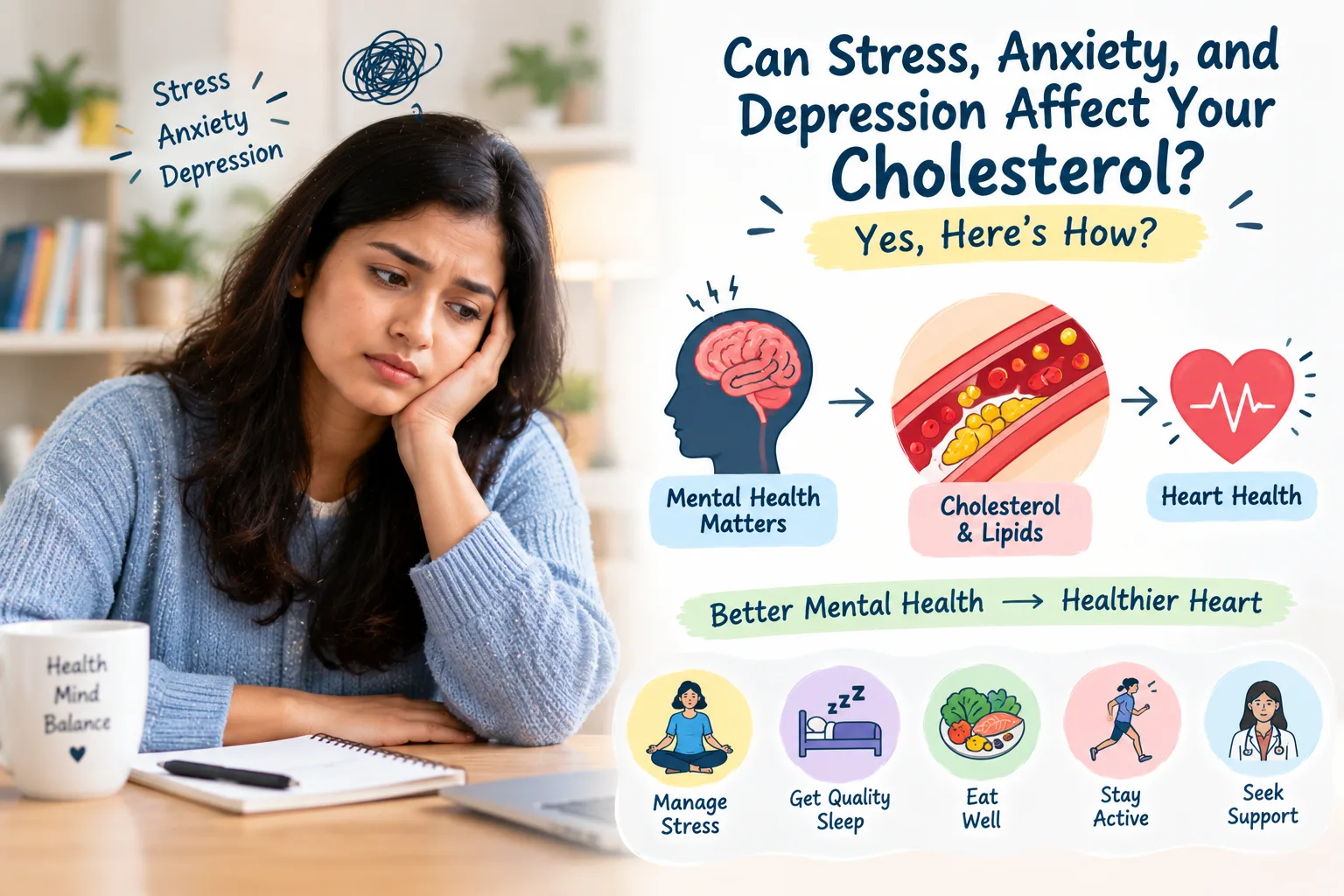
While diet and exercise are well-known drivers of cholesterol levels, growing evidence shows that chronic stress, anxiety, and depression can also push lipid profiles in unhealthy directions even when eating habits seem “perfect.” Mental health influences biology through hormones, inflammation, and behavior, creating a hidden pathway to unexplained spikes in LDL (“bad”) cholesterol or triglycerides.
Why Lipid Levels Aren’t Just About Food
Cholesterol is not only a dietary byproduct; it’s also manufactured by your liver in response to hormonal signals. When the body perceives ongoing threat, whether from work pressure, relationship strain, financial worry, or internal distress it activates the “fight-or-flight” system. This triggers a cascade that can raise blood lipids independently of what’s on your plate
The Stress-Cholesterol Connection: Biological Pathways-
1. Cortisol Overdrive:
Chronic stress keeps cortisol (the primary stress hormone) elevated. Cortisol signals the liver to release more glucose and cholesterol to fuel a perceived emergency. Over time, this leads to:
● Increased production of LDL cholesterol and triglycerides.
● Reduced clearance of LDL from the bloodstream. ● Promotion of visceral (belly) fat, which further worsens lipid metabolism.
In effect, your body behaves as if it’s constantly preparing for physical danger even while you’re sitting at a desk.
2. Inflammation and Oxidative Stress
Depression and anxiety are linked to low-grade systemic inflammation and oxidative damage. These processes:
● Encourage the liver to produce more cholesterol as part of a “repair” response to perceived vascular injury.
● Promote oxidation of LDL particles, making them more likely to form arterial plaque.
3. Insulin Resistance
Stress hormones like cortisol and adrenaline reduce insulin sensitivity. Insulin resistance drives the liver to overproduce VLDL (a triglyceride-rich particle), raising triglycerides and lowering protective HDL cholesterol.
4. Temporary “False Spikes”
During acute stress, fluid shifts out of blood vessels (haemoconcentration), temporarily concentrating cholesterol and making lab results appear worse than baseline. This can explain sudden, unexplained jumps in lipid numbers during high-pressure weeks.
Behavioral Pathways: How Mental Health Shapes Habits
Mental health also affects cholesterol indirectly through daily choices:
● Emotional eating: Stress and depression often lead to cravings for high-sugar, high-fat “comfort foods.”
● Reduced physical activity: Low mood or anxiety can sap motivation for exercise.
● Poor sleep: Anxiety and depression disrupt sleep, and short sleep duration is independently linked to higher triglycerides and lower HDL.
● Medication effects: Some antidepressants and antipsychotics can cause weight gain or metabolic changes that worsen lipids. These behaviors compound the direct biological effects, creating a double hit on lipid health.
Recognizing the Signs:
When Mental Health May Be Driving Lipid Changes Consider psychological contributors if you notice:
● Unexplained rises in LDL or triglycerides despite stable diet and activity. ● Lipid spikes coinciding with periods of high stress, grief, or burnout.
● Co-existing symptoms like fatigue, poor concentration, irritability, sleep problems, or loss of interest in activities.
● A history of anxiety, depression, or trauma alongside metabolic issues.
How to Resolve Stress-Related Lipid Abnormalities?
Addressing both mind and body yields the best outcomes. Evidence-based steps include:
1. Prioritize Stress Management:
● Mind-body practices: Daily paced breathing, meditation, yoga, or prayer can lower cortisol and improve lipid profiles over weeks to months.
● Nature and movement: Regular walks outdoors combine physical activity with stress reduction.
● Boundaries and recovery: Schedule genuine downtime, limit overwork, and practice saying “no” to nonessential demands.
2. Treat Underlying Anxiety or Depression:
● Therapy: Cognitive behavioral therapy (CBT), counseling, or support groups address root emotional drivers.
● Medication review: If on psychiatric drugs, discuss metabolic side effects with your doctor; alternatives or dose adjustments may help.
3. Optimise Sleep:
Aim for 7–9 hours of quality sleep nightly. Poor sleep independently raises triglycerides and lowers HDL.
4. Supportive Nutrition (Beyond “Low-Fat”):
● Focus on whole foods, fiber-rich plants, omega-3s (fatty fish, flaxseeds), and antioxidants (berries, leafy greens).
● Avoid extreme restriction, which can increase stress hormones.
5. Monitor and Re-test:
If a lipid test was done during a highly stressful period, consider repeating it after 4–6 weeks of improved stress management and sleep to get a truer baseline.
6. Medical Follow-Up: Work with your healthcare provider to rule out other causes (thyroid issues, genetic factors, medications) and determine if lipid-lowering therapy is needed alongside mental health care.
GEWO Health Message:
At GEWO Health, we recognise that heart health is deeply connected to mental well-being. If your cholesterol numbers seem out of sync with your lifestyle, don’t overlook the role of stress, anxiety, or depression. A holistic approach combining emotional support, sleep hygiene, and metabolic care, can help restore balance to both mind and lipids.
Medical Disclaimer:
This article is for general informational purposes only and does not constitute medical advice, diagnosis, or treatment. Always consult a qualified healthcare professional for personalised guidance regarding cholesterol, mental health, or medication changes. Never disregard professional medical advice or delay seeking care based on information presented here.


