Disease Prevention
Varicose Veins: What They Are, Why They Happen, and How to Manage Them?
Varicose veins are swollen, twisted veins that commonly appear on the legs when weakened valves allow blood to pool. They may cause aching, heaviness, swelling, itching, cramps, or skin changes, although some people have no symptoms. Age, family history, pregnancy, excess weight, prolonged sitting or standing, and previous blood clots can increase risk.
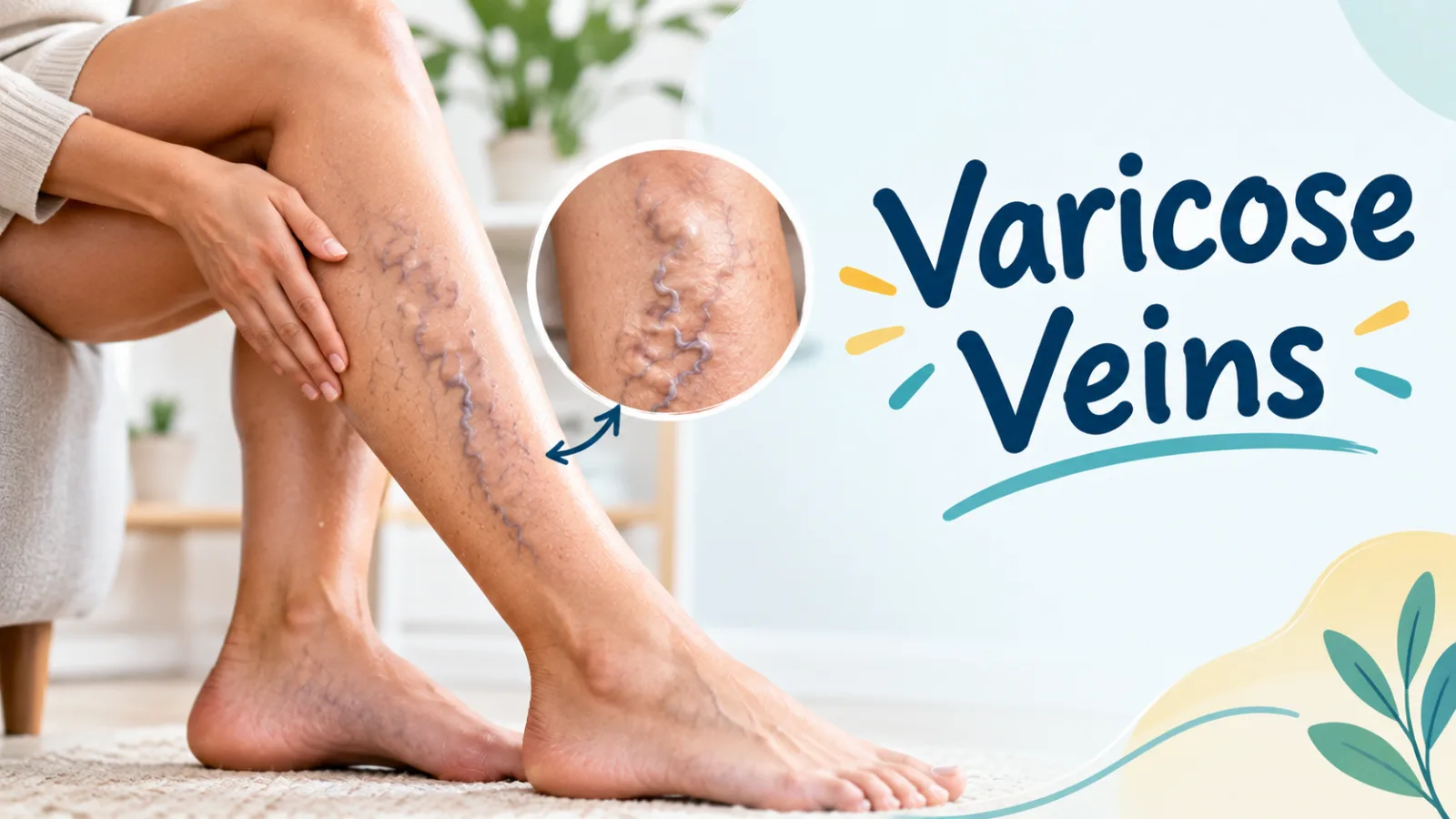
Varicose veins are swollen, twisted veins that you can see just under the skin, most often on the legs and feet. While they are common and usually not dangerous, they can cause discomfort, affect appearance, and sometimes signal underlying vein problems that benefit from medical attention.
Introduction:
Veins carry blood back to the heart. In the legs, this blood must travel upward against gravity. Tiny one-way valves inside the veins help keep blood flowing in the right direction. When these valves weaken or the vein walls stretch, blood can pool, causing veins to enlarge and become varicose. Many people develop varicose veins with age, and for some they are mainly a cosmetic concern. For others, they cause aching, heaviness, swelling, or skin changes. The good news: simple lifestyle steps often ease symptoms, and effective treatments are available when needed.
Symptoms:
Not everyone with varicose veins has symptoms. When symptoms do occur, they may include:
● Visible bulging, twisted, blue or purple veins on the legs or ankles
● A heavy, achy, or “full” feeling in the legs, especially after standing
● Throbbing, burning, or itching over the veins
● Swelling in the lower legs or ankles by the end of the day
● Muscle cramps or restless legs at night
● Skin dryness, discoloration, or irritation over affected veins Symptoms often worsen after long periods of standing or sitting and improve with leg elevation or movement.
Causes and Risk Factors:
Varicose veins develop due to a combination of genetic tendency and pressure on the leg veins. Key risk factors include:
● Family history: In about half of cases, varicose veins run in families, suggesting inherited weakness in vein walls or valves.
● Female sex and hormones: Women are more affected; estrogen, pregnancy, and hormonal therapies can influence vein structure and pressure.
● Age: Vein walls and valves naturally weaken over time.
● Pregnancy: Increased blood volume and pressure from the growing uterus strain leg veins; many improve after delivery.
● Obesity or overweight: Extra weight increases pressure in leg veins.
● Prolonged standing or sitting: Jobs or habits that keep you in one position reduce calf-muscle pumping that helps blood return to the heart.
● Previous blood clots (DVT): Can damage valves and lead to secondary varicose veins.
● Constipation or chronic cough: Repeated straining raises abdominal pressure, affecting leg veins.
Prevention Tips:
You may not be able to prevent varicose veins entirely, especially if you have a strong family history. However, these steps can reduce risk and ease symptoms:
● Move regularly: Walk, cycle, or do calf raises to activate the leg “muscle pump.”
● Avoid long periods of standing or sitting: Take short breaks to stretch and walk.
● Elevate your legs: Raise legs above heart level for 10–15 minutes, 3–4 times a day.
● Maintain a healthy weight: Reduces pressure on leg veins.
● Wear compression stockings: Graduated compression can lessen swelling and discomfort (ask your clinician about the right strength).
● Choose comfortable footwear: Avoid very high heels for long periods; they can reduce calf-muscle efficiency.
● Don’t smoke: Smoking damages blood vessels and circulation.
● Manage constipation: Fiber, fluids, and activity reduce straining.
When to Consult a Doctor?
Most varicose veins are not an emergency, but see a healthcare provider if:
● You have pain, itching, swelling, or sleep disturbance from leg aching.
● Veins are getting worse or spreading despite self-care.
● You notice skin color changes, thickening, or sores near the ankles.
● You want treatment for cosmetic or symptom reasons.
Seek urgent care if you experience:
● Sudden bleeding from a varicose vein.
● A painful, red, warm, or hard vein (possible clot or inflammation).
● A leg sore that does not heal within 2 weeks.
● Sudden increase in leg swelling, especially with shortness of breath (rare but serious).
Treatment Awareness :
Treatment depends on symptoms, vein size, and your goals. Options include:
● Lifestyle and compression: Often first-line for mild symptoms.
● Sclerotherapy: A solution or foam is injected to close smaller veins; the body gradually absorbs them.
● Endovenous ablation (laser or radiofrequency): Heat seals the faulty vein from inside using a thin catheter; usually done under local anesthesia with quick recovery.
● Phlebectomy: Tiny incisions remove surface veins; often combined with ablation.
● Surgical ligation/stripping: Less common now, reserved for specific cases.
A vascular specialist can assess your veins (often with ultrasound) and recommend the most appropriate option.
GEWO Health Message:
At GEWO Health, we believe informed patients make better health decisions. If you notice new or worsening varicose veins, start with simple measures like movement, leg elevation, and compression and speak to your clinician early if symptoms affect your daily life. Timely evaluation can prevent complications and improve comfort and confidence.
Medical Disclaimer:
This article is for general information only and does not replace professional medical advice, diagnosis, or treatment. Always seek the guidance of your physician or qualified health provider with any questions about a medical condition. Never disregard professional medical advice or delay seeking care because of something you read here.


