Patient Education
PCOS or PCOD: What You Need to Know?
PCOS is a common hormonal condition that can affect periods, ovulation, fertility, skin, hair, weight, and metabolic health. Symptoms vary widely, and not everyone experiences the same features. While PCOS cannot always be prevented or cured, healthy eating, regular physical activity, good sleep, stress management, and appropriate medical care can help manage symptoms and reduce long-term risks. Early evaluation can also help identify other conditions and guide personalised treatment!
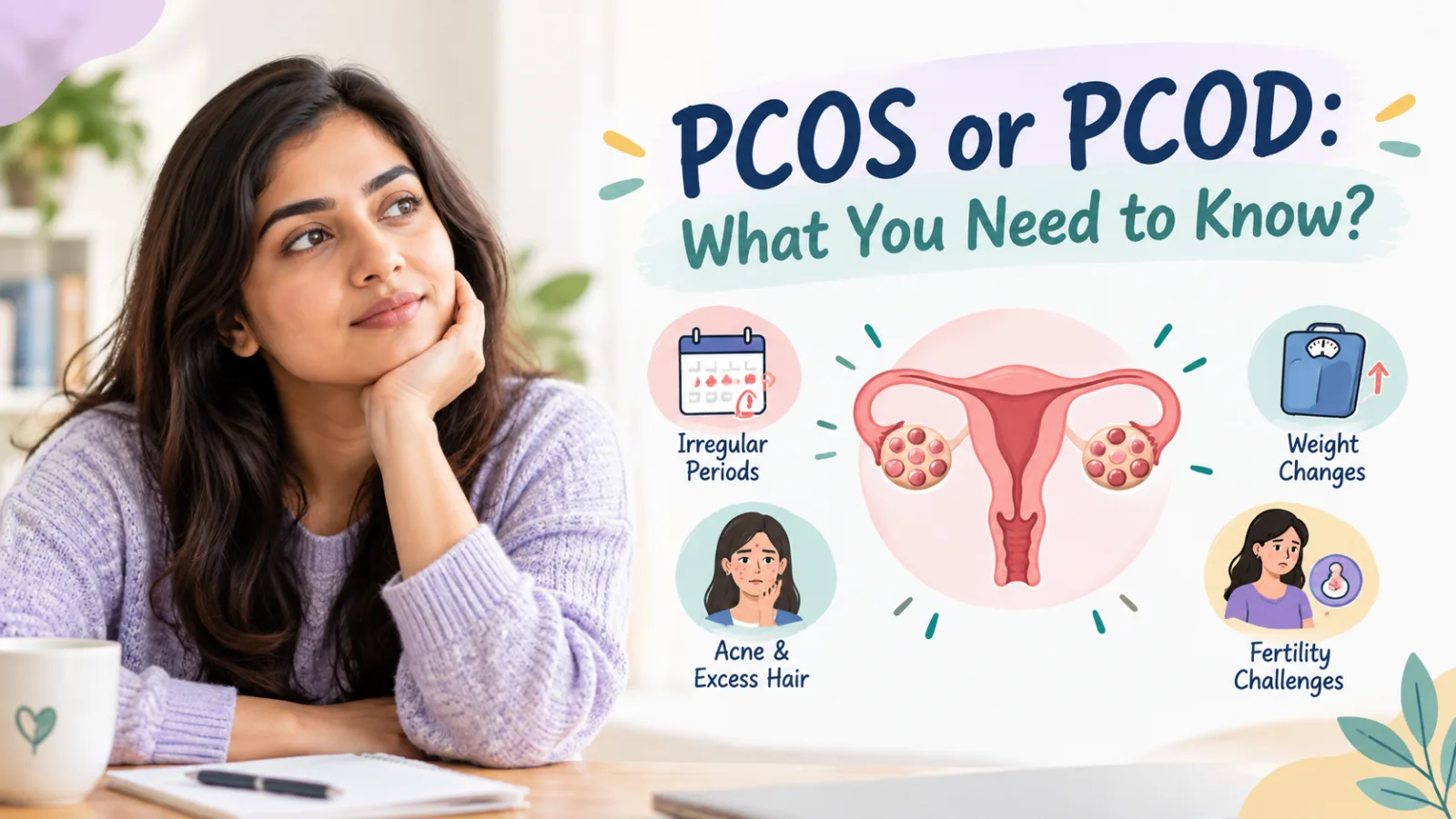
Polycystic ovary syndrome (PCOS) is a common hormonal condition that affects people with ovaries during their reproductive years. It can cause irregular periods, excess hair growth, acne, weight changes, and fertility challenges but with the right care and lifestyle changes, symptoms can be managed effectively. You may also hear the term PCOD (polycystic ovarian disease). In everyday language, PCOD and PCOS are often used interchangeably, but medically, PCOS refers to a broader syndrome with metabolic and hormonal features, while PCOD describes the presence of multiple ovarian cysts. This article uses "PCOS" to align with current clinical guidance.
Symptoms:
PCOS symptoms vary from person to person. Common signs include:
● Irregular or absent periods: Cycles longer than 35 days, fewer than 9 periods a year, or no periods for months.
● Signs of high androgens (male-type hormones): Unwanted hair growth on the face, chest, abdomen, or thighs (hirsutism); acne and oily skin; thinning hair on the scalp. ● Weight changes: Tendency to gain weight or difficulty losing weight, especially around the abdomen.
● Fertility challenges: Difficulty getting pregnant due to irregular or absent ovulation.
● Other possible features: Dark, velvety skin patches (acanthosis nigricans), skin tags, fatigue, and mood changes such as anxiety or depression.
Not everyone has all symptoms, and some people have mild signs that are easy to overlook.
Causes and Risk Factors:
The exact cause of PCOS is not fully known, but research points to a mix of genetic and environmental factors.
● Hormonal imbalance: Higher-than-normal androgen levels and, in many cases, insulin resistance (the body does not use insulin effectively).
● Family history: PCOS tends to run in families; having a mother or sister with PCOS increases risk.
● Metabolic factors: Overweight or obesity can worsen insulin resistance and symptoms, though PCOS also occurs in people with normal weight.
● Ethnic background: Some groups, including South Asian populations, may have higher risk.
● Early-life factors: Low birth weight, rapid infant weight gain, early puberty, and childhood obesity may contribute.
Prevention Tips:
There is no proven way to prevent PCOS entirely, but healthy habits can reduce symptom severity and long-term health risks.
● Maintain a healthy weight: Even a 5–10% weight loss can improve periods, ovulation, and metabolic health.
● Eat balanced meals: Focus on whole grains, vegetables, fruits, lean proteins, and healthy fats; limit sugary drinks and highly processed foods.
● Stay active: Aim for at least 150 minutes of moderate exercise per week (for example, brisk walking, cycling, or dancing).
● Manage stress and sleep: Chronic stress and poor sleep can worsen insulin resistance and mood symptoms.
● Regular check-ups: Monitor blood pressure, blood sugar, and cholesterol, especially if you have a family history of diabetes or heart disease.
When to Consult a Doctor?
Speak to a healthcare provider if you notice:
● Periods that are very irregular, very heavy, or absent for more than 3 months.
● New or worsening unwanted hair growth, severe acne, or hair thinning.
● Difficulty getting pregnant after 6–12 months of trying (sooner if you are over 35 or have known cycle issues).
● Symptoms affecting your daily life, work, relationships, or mental health.
● Signs of high blood sugar (excessive thirst, frequent urination, unexplained fatigue). Early evaluation helps rule out other conditions and start the right management plan.
Treatment Awareness:
There is no cure for PCOS, but symptoms can be managed with lifestyle changes, medicines, and, in some cases, procedures.
● Lifestyle therapy: Nutrition, physical activity, and weight management are the foundation of care.
● Medicines for cycle control: Combined oral contraceptives, progestogen-only pills, or hormonal IUDs can regulate periods and protect the uterine lining.
● Medicines for hair and skin: Anti-androgens (such as spironolactone) and topical treatments may reduce unwanted hair and acne.
● Fertility support: For those trying to conceive, ovulation-induction medicines (such as letrozole or clomifene) are often first-line options.
● Metabolic support: Metformin may help with insulin resistance, weight, and tiredness in some patients.
● Hair removal options: Shaving, waxing, creams, laser, or electrolysis can be used alongside medical therapy. Treatment is personalised based on your goals (for example, cycle regulation, skin/hair concerns, or pregnancy plans).
GEWO Health Message:
At GEWO Health, we believe informed patients make better health decisions. If you suspect PCOS, track your cycles, note your symptoms, and book a consultation with a qualified clinician. Small, consistent lifestyle changes like balanced meals, regular movement, good sleep, and stress care can make a meaningful difference. You are not alone, and support is available.
Medical Disclaimer:
This article is for general information only and does not replace professional medical advice, diagnosis, or treatment. Always seek the guidance of your doctor or other qualified health provider with any questions you may have regarding a medical condition. Never disregard professional medical advice or delay seeking care because of something you have read here.


