Mental Health
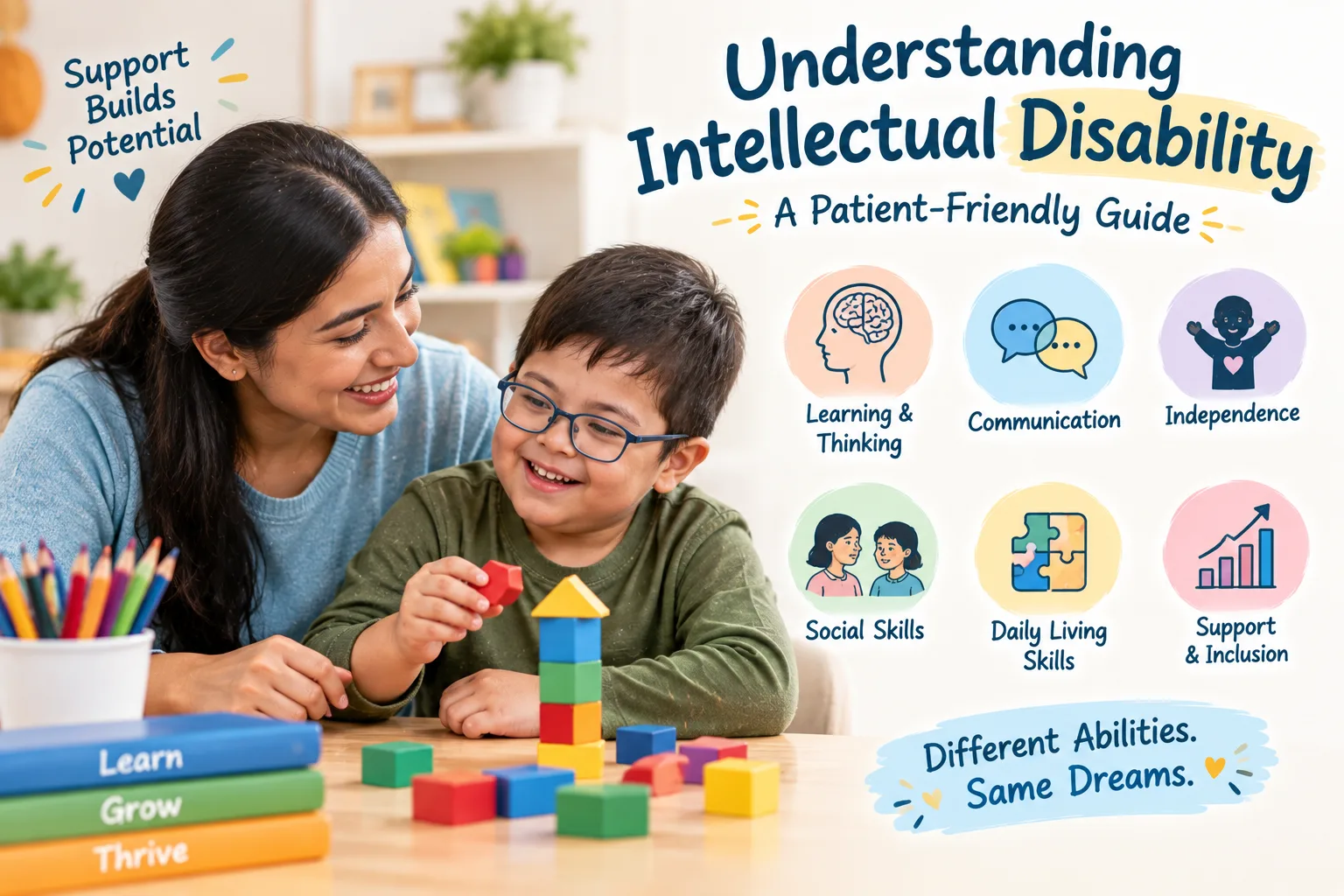
Understanding Intellectual Disability: A Patient-Friendly Guide.
Intellectual disability is a lifelong neurodevelopmental condition that affects learning, reasoning, communication, problem-solving, and everyday adaptive skills. Signs may include delayed developmental milestones, learning difficulties, communication challenges, and difficulty with daily activities. Causes can include genetic conditions, pregnancy or birth complications, infections, toxins, or brain injury.
Introduction:
Intellectual disability (ID) is a lifelong neurodevelopmental condition that affects how a person learns, reasons, solves problems, and handles everyday tasks. It begins in childhood and involves significant limitations in both intellectual functioning and adaptive behavior, the practical skills needed for daily independence. While ID cannot be cured, early diagnosis, supportive therapies, and inclusive environments can meaningfully improve quality of life, learning, and independence.
Symptoms:
Symptoms vary widely depending on the severity of the disability, but common signs include:
● Delayed developmental milestones, such as sitting, crawling, walking, or talking later than peers.
● Difficulty learning new skills or understanding abstract concepts.
● Problems with memory, attention, and reasoning.
● Challenges with communication, including delayed speech or trouble expressing needs.
● Struggles with daily living tasks, such as dressing, feeding, or managing money.
● Social difficulties, including understanding social cues or forming relationships.
● Slower processing speed and trouble adapting to new situations or routines. In school-age children, symptoms may show up as difficulty with reading, math, or following multi-step instructions.
Causes and Risk Factors:
Intellectual disability has many possible causes, often grouped by when they occur:
Before Birth (Prenatal)-
● Genetic conditions: Down syndrome, Fragile X syndrome, and other chromosomal abnormalities. ● Maternal infections: Rubella, cytomegalovirus, or toxoplasmosis during pregnancy.
● Exposure to toxins: Alcohol (fetal alcohol syndrome), drugs, lead, or mercury.
● Poor maternal nutrition or unmanaged chronic conditions like diabetes.
During Birth (Perinatal)-
● Oxygen deprivation (birth asphyxia).
● Premature birth or very low birth weight.
● Birth trauma or complications during delivery.
After Birth (Postnatal)-
● Severe infections affecting the brain, such as meningitis or encephalitis.
● Head injuries or traumatic brain injury.
● Environmental toxins, especially lead exposure from paint or contaminated water.
● Severe malnutrition during early childhood.
In many mild cases, the exact cause may be a combination of genetic and environmental factors rather than a single identifiable event.
Prevention Tips:
While not all cases of intellectual disability can be prevented, several steps can significantly reduce risk:
Before and during pregnancy:
● Avoid alcohol, tobacco, and recreational drugs completely.
● Get vaccinated against infections like rubella before conception.
● Take folic acid supplements as advised by your doctor.
● Manage chronic conditions like diabetes or hypertension.
● Avoid exposure to lead, mercury, and other environmental toxins.
During infancy and childhood:
● Ensure timely vaccination to prevent brain infections.
● Provide good nutrition, especially in the first 1,000 days of life.
● Protect children from head injuries (use helmets, car seats, safe play areas).
● Test older homes for lead paint and ensure safe drinking water.
● Seek early medical care for developmental concerns.
When to Consult a Doctor?
Parents and caregivers should seek medical advice if a child:
● Is not meeting developmental milestones (rolling, sitting, walking, talking) at expected ages. ● Loses previously learned skills.
● Has significantly delayed speech or trouble understanding simple instructions.
● Struggles with learning, self-care, or social interactions compared to peers.
● Shows unusual behavior, seizures, or movement problems. Early evaluation by a pediatrician, developmental specialist, or neurologist can lead to timely intervention and better outcomes.
Treatment Awareness:
There is no cure for intellectual disability, but a range of supportive interventions can help individuals reach their full potential:
● Early intervention programs (before age 3) that include speech therapy, occupational therapy, and physical therapy.
● Special education services tailored to the child's learning needs.
● Behavioral therapies to build communication, social, and daily living skills.
● Family training and support to help caregivers create a nurturing, structured environment.
● Medical management of associated conditions like epilepsy, vision or hearing problems, or mental health concerns.
● Assistive technologies and communication aids for those with severe limitations. Research shows that comprehensive, family-centered early intervention initiated before age 3 produces the greatest benefits.
GEWO Health Message:
At GEWO Health, we believe every individual deserves access to compassionate, evidence-based care. If you suspect your child may have an intellectual disability remember: you are not alone, and early action makes a difference. Connect with your pediatrician, seek developmental screening, and explore local early-intervention resources. With the right support, children with intellectual disabilities can learn, grow, and lead fulfilling lives.
Medical Disclaimer:
This article is for informational purposes only and does not replace professional medical advice, diagnosis, or treatment. Always consult a qualified healthcare provider for concerns about your child's development or health. Do not delay seeking medical care based on information in this article.


