Mental Health
Children’s Mental Health Today: Common Challenges and Why They Happen?
Children and adolescents may experience anxiety, depression, behavioural difficulties, attention problems, eating concerns, social withdrawal, or distress related to digital experiences. When symptoms persist or interfere with school, relationships, sleep, eating, or daily life, professional support may be needed. Mental health is influenced by development, family, school, social experiences, physical health, and the environment.
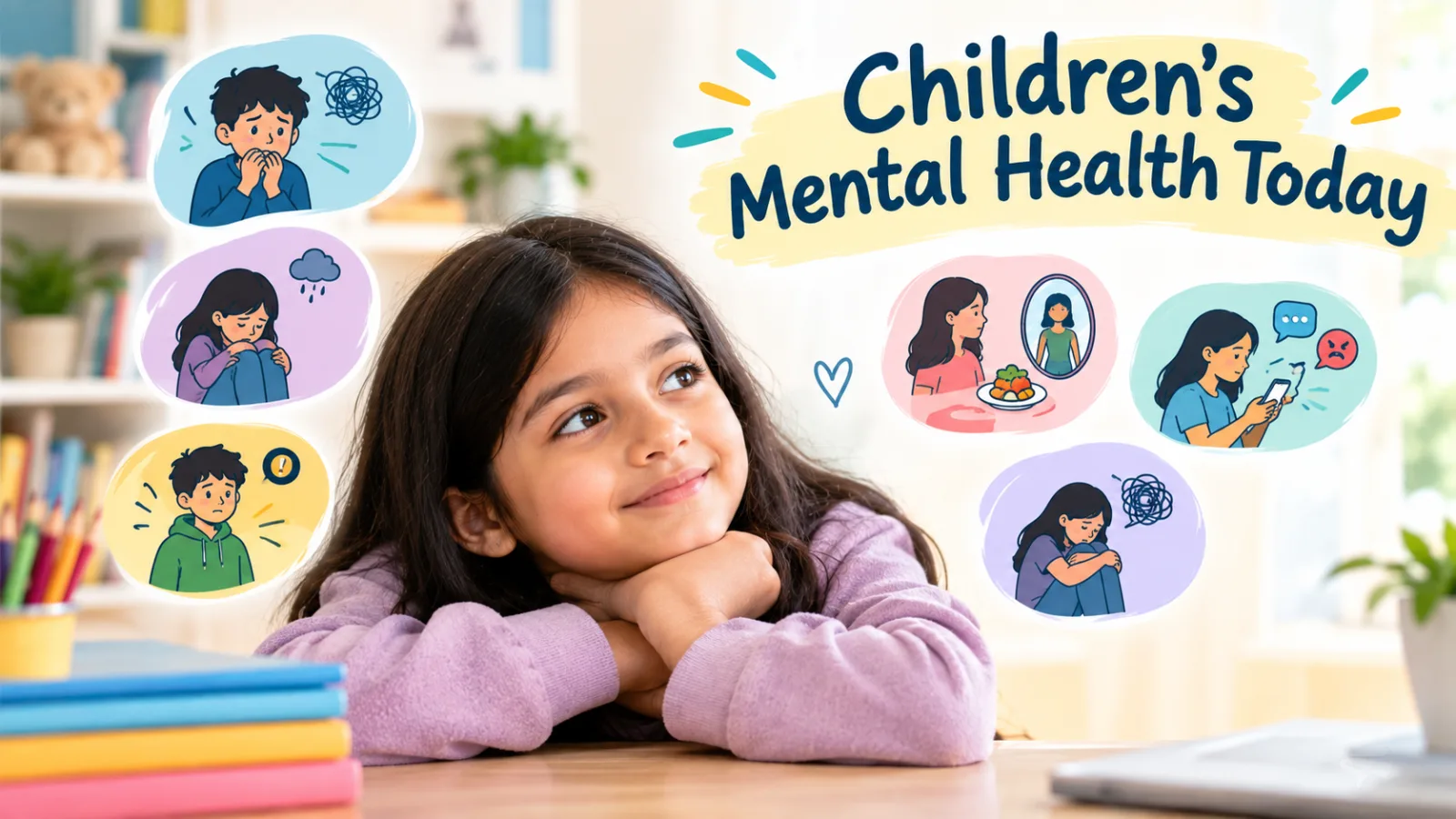
Children and adolescents can experience stress, sadness, fear, anger, or changes in behaviour as part of normal development. However, when these changes are intense, persistent, or interfere with school, relationships, sleep, eating, or daily activities, they may indicate a mental health concern. Mental health challenges among children and adolescents are receiving increasing attention because many conditions begin early in life. The World Health Organization (WHO) estimates that approximately one in seven adolescents aged 10–19 years experiences a mental health disorder. Anxiety, depression, behavioural disorders, attention-deficit/hyperactivity disorder (ADHD), eating disorders, and problems related to self-harm are among the concerns that may affect young people. These challenges are not caused by a child being “weak,” “naughty,” or unwilling to try. Mental health is influenced by brain development, family relationships, school experiences, social conditions, physical health, and the wider environment.
Common Mental Health Challenges:
1. Anxiety and excessive worry-
Anxiety may appear as persistent fear, nervousness, panic, or worry about school, health, appearance, family, friendships, or the future. Younger children may complain of stomach aches, headaches, nausea, or difficulty separating from caregivers.
2. Depression and low mood-
Depression is more than occasional sadness. A child may lose interest in favourite activities, appear unusually tired, withdraw from others, experience changes in sleep or appetite, or express feelings of worthlessness, guilt, hopelessness, or helplessness. In younger children, depression may appear mainly as irritability, frequent crying, clinginess, or a decline in play and learning. In adolescents, it may include social withdrawal, academic difficulties, self-harm, or thoughts of death.
3. Behavioural and attention-
related difficulties- Some children show persistent inattention, impulsivity, excessive activity, aggression, defiance, or difficulty following rules. ADHD and conduct-related disorders can affect learning, relationships, and family life. These behaviours should be assessed in context rather than labelled immediately as poor discipline. WHO identifies ADHD and conduct disorders among important adolescent mental health conditions.
4. Eating and body-image concerns
- Some adolescents become excessively worried about weight, shape, or appearance. Warning signs may include strict food restriction, binge eating, vomiting after meals, compulsive exercise, rapid weight change, or avoiding meals with family.
5. Social withdrawal and digital stress-
Online communication can help children connect and learn, but cyberbullying, harmful content, social comparison, excessive screen use, and pressure to remain constantly available may contribute to distress. Digital difficulties should be considered alongside sleep, school, family, and peer experiences.
6. Self-harm and suicidal thoughts-
Any talk about wanting to die, disappear, or hurt oneself should be taken seriously. Other warning signs include giving away important belongings, saying goodbye unusually, searching for ways to self-harm, sudden isolation, or a marked change in behaviour. If a child may be in immediate danger, do not leave them alone. Remove access to medicines, weapons, pesticides, or other dangerous items where possible, and contact local emergency services or take the child to the nearest emergency department.
Causes and Risk Factors:
Mental health difficulties usually develop through a combination of factors rather than one single cause. Important influences may include:
● Bullying, cyberbullying, abuse, neglect, or exposure to violence.
● Family conflict, separation, parental illness, grief, or unstable living conditions.
● Academic pressure, examination stress, social rejection, or unrealistic expectations.
● Poverty, discrimination, stigma, displacement, conflict, or limited access to healthcare.
● Chronic illness, disability, neurological conditions, or developmental differences.
● A family history of depression, anxiety, ADHD, substance-use problems, or other mental health conditions.
● Poor sleep, irregular routines, inadequate physical activity, and unhealthy coping behaviours.
● Social-media pressure, online harassment, and repeated exposure to frightening or distressing content.
WHO notes that poverty, violence, harsh parenting, discrimination, bullying, and difficult home or peer relationships can increase mental health risks during adolescence. These factors do not mean that a child will definitely develop a mental health condition. Supportive relationships and early care can reduce their impact.
Prevention Tips for Families:
Prevention does not mean removing every source of stress. It means helping children build safety, connection, coping skills, and access to support.
● Listen calmly and regularly. Ask open questions such as, “What has been difficult lately?” Avoid immediately criticising, lecturing, or dismissing the child’s feelings.
● Maintain predictable routines for sleep, meals, schoolwork, relaxation, and physical activity.
● Encourage age-appropriate exercise, outdoor time, hobbies, play, and face-to-face friendships.
● Create a supportive home environment where mistakes can be discussed without humiliation or excessive punishment.
● Teach children to identify emotions and practise coping strategies such as slow breathing, journaling, problem-solving, and speaking with a trusted adult.
● Discuss online safety, privacy, cyberbullying, harmful content, and healthy screen boundaries.
● Work with teachers or school counsellors when there are learning, attendance, bullying, or behavioural concerns.
● Model healthy help-seeking. Children are more likely to seek care when adults treat mental health as part of overall health.
● Keep medicines and potentially dangerous substances safely stored, particularly when a child is distressed or has expressed self-harm thoughts.
When to Consult a Doctor?
Arrange a consultation with a paediatrician, family doctor, psychologist, or psychiatrist if symptoms:
● Continue for several weeks or repeatedly return.
● Interfere with school attendance, learning, friendships, sleep, eating, or family life.
● Include unexplained physical complaints, frequent panic, severe irritability, or intense fears.
● Involve self-harm, substance use, aggression, disordered eating, or withdrawal.
● Follow a traumatic event or major change at home or school.
Seek urgent help if the child has attempted self-harm, has a specific suicide plan, cannot be kept safe, is severely confused, is hearing or seeing things others do not, or is unable to eat, drink, sleep, or function. Parents should ask directly about safety. Asking about suicidal thoughts does not create suicidal behaviour; it can help a distressed child feel noticed and allow adults to arrange timely support.
Treatment Awareness:
Treatment depends on the child’s age, symptoms, diagnosis, physical health, family circumstances, and safety needs. A professional assessment may include conversations with the child and caregivers, school information, developmental history, and screening for medical or learning problems. Treatment may involve:
● Individual or family-based psychological therapy.
● Parent-training and behavioural strategies.
● School-based support and reasonable academic adjustments.
● Treatment of sleep problems, chronic illness, developmental conditions, or substance use.
● Medication when clinically appropriate and prescribed by a qualified professional.
● Crisis intervention or hospital care when there is immediate safety risk.
Do not start, stop, or share psychiatric medicines without medical guidance. Counselling and medication are not signs of failure; they are healthcare options that can help children recover and participate more fully in daily life.
GEWO Health Message:
GEWO Health message: Every child deserves to be heard, respected, and supported. Notice changes early, listen without judgement, and seek professional help when distress affects daily life. Mental health care is healthcare and early support can protect a child’s learning, relationships, safety, and future well-being.
Medical Disclaimer:
This article is for general education and does not diagnose, treat, or replace advice from a qualified healthcare professional. Symptoms can have different causes, including physical health conditions. If a child is at immediate risk of self-harm or harm to others, contact local emergency services or go to the nearest emergency department without delay. Use medicines only as prescribed by a licensed clinician.


