The Gewo Journal

Articles by Dr. Shraddha Dayanand Bangera

Integrative Physician. Every article below is written by this doctor.

61 published articles View care profile

Latest thinking

Dr. Shraddha Dayanand Bangera’s blogs

Showing articles by Dr. Shraddha Dayanand Bangera · Book or view profile · Show all doctors

13
Wellness4 min read

Dyspepsia: Understanding Indigestion

Dyspepsia, commonly known as indigestion, causes discomfort in the upper abdomen and may include burning, pain, early fullness, bloating, nausea, or belching. Symptoms can be linked to functional dyspepsia, H. pylori infection, ulcers, reflux, certain medicines, food triggers, or stress. Eating smaller meals, avoiding personal triggers, staying active, and managing stress may help. Persistent or recurrent symptoms should be evaluated by a healthcare professional.


16
Mental Health4 min read

Autism Spectrum Disorder: Understanding Signs, Support, and Care

Autism Spectrum Disorder (ASD) is a neurodevelopmental condition that can affect communication, social interaction, sensory processing, learning, and behaviour. Every autistic person is different, with unique strengths and support needs. Early recognition and personalised support can improve communication, independence, participation, and quality of life. Autism is not caused by poor parenting or vaccines.

19
Patient Education5 min read

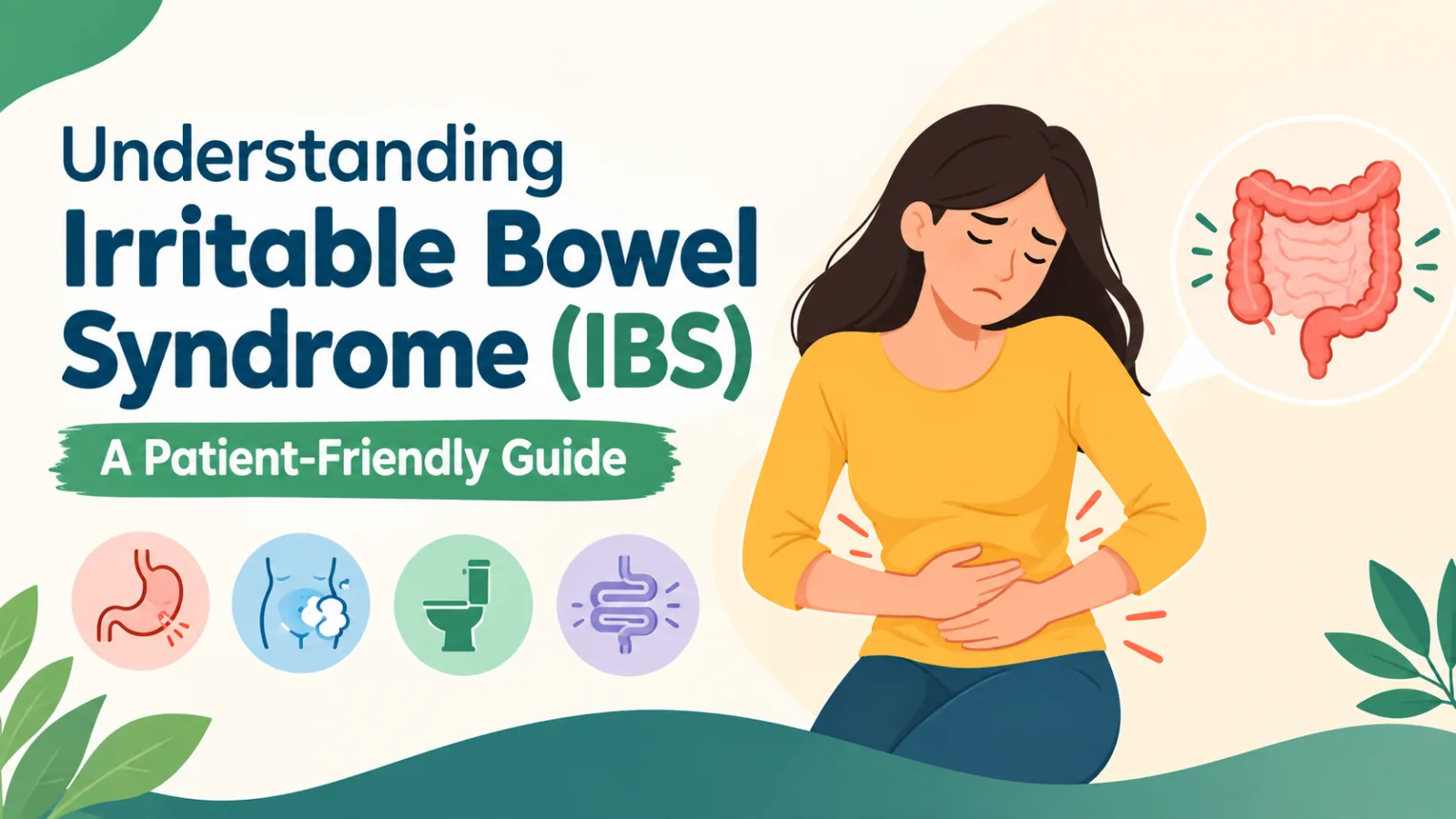
Understanding Irritable Bowel Syndrome (IBS): A Patient-Friendly Guide

Irritable Bowel Syndrome (IBS) is a common digestive condition that can cause abdominal pain, bloating, gas, diarrhoea, constipation, or changes in bowel habits. While IBS does not permanently damage the bowel, symptoms can affect daily life. Understanding food triggers, maintaining healthy routines, managing stress, staying hydrated, and using appropriate treatments can help control symptoms and improve gut health.

20
Patient Education4 min read

Vestibular Migraine

Vestibular migraine can cause dizziness, vertigo, imbalance, motion sensitivity, nausea, and visual discomfort, with or without a headache. Triggers may include poor sleep, skipped meals, dehydration, stress, hormonal changes, screens, and certain foods. Recognizing patterns through a symptom diary and getting the right medical evaluation can help manage attacks. Learn about prevention, treatment, and when dizziness needs urgent attention.

21
Patient Education5 min read

Understanding GERD: A Patient-Friendly Guide

GERD is more than occasional heartburn—it happens when stomach contents frequently flow back into the esophagus, causing symptoms such as burning in the chest, regurgitation, difficulty swallowing, cough, or disturbed sleep. Understanding triggers and making simple lifestyle changes, such as avoiding late meals, maintaining a healthy weight, adjusting sleep position, and limiting trigger foods, can help manage symptoms and protect digestive health.

22
Nutrition5 min read

Migraine Diet: What to Eat, What to Avoid, and How to Find Your Triggers?

Can food trigger your migraine? Sometimes, certain foods, drinks, dehydration, skipped meals, or inconsistent caffeine intake may contribute to attacks—but triggers are different for everyone. A balanced diet, regular meals, good hydration, and a food-and-symptom diary can help identify personal triggers. Learn what to eat, what to limit, and how small, sustainable dietary changes may support better migraine management

23
Patient Education6 min read

Transient Ischemic Attack (TIA): The Warning Stroke You Should Never Ignore

A Transient Ischemic Attack (TIA) can cause sudden weakness, numbness, speech difficulty, vision changes, or dizziness that may disappear within minutes. But disappearing symptoms do not mean the danger is over. TIA can be an important warning of a future stroke. Recognizing the signs and seeking urgent medical care can help prevent serious brain damage and protect long-term health.

24
Patient Education5 min read

Gastritis, Sleep Disturbance, and Heartburn: What You Need to Know?

Gastritis, heartburn, and acid reflux can cause uncomfortable stomach symptoms and may also disturb sleep, especially when symptoms worsen at night. Learn about common causes, triggers, prevention tips, warning signs, and treatment options that can help support better stomach and sleep health. Small daily changes, such as eating lighter meals and avoiding late-night triggers, may help reduce sympto