Wellness
Bone health after 30
Bone health becomes increasingly important after 30, when bone mass gradually begins to decline. A balanced diet, adequate calcium and vitamin D, regular strength training, daily movement, and healthy lifestyle habits can help support strong bones and muscles. Recognizing risk factors and seeking medical advice when needed can help reduce the risk of osteopenia, osteoporosis, and fractures.
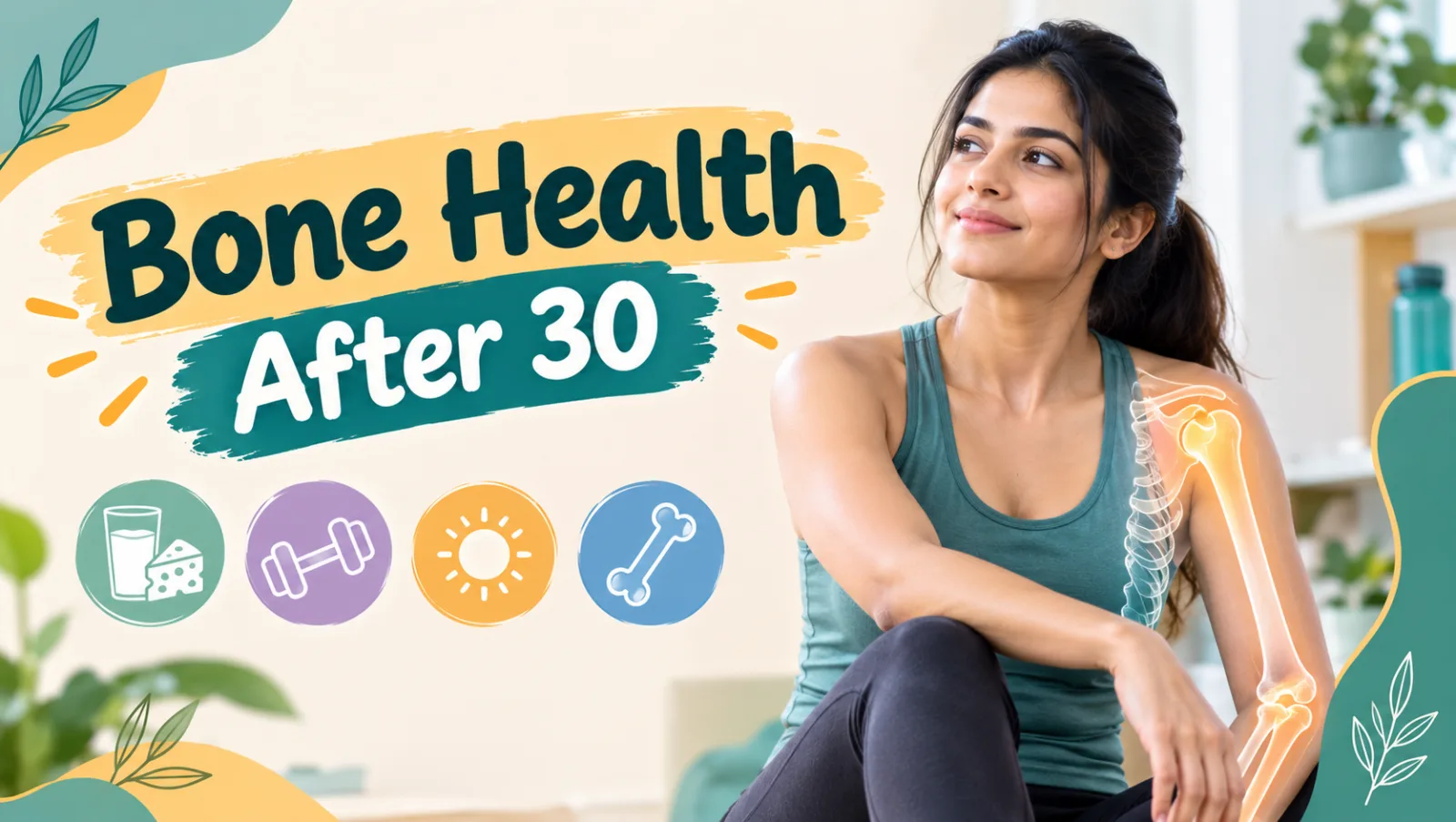
Bone health is vital for longevity in a human, it ensures a healthier and smoother life as age progresses. Building of healthy bones and muscles peak at the age thirty, after which there is a decline in their mass gradually. In general, Indians are prone to fractures due to several reasons like genetics, nutrition gaps, early menopause, and urban lifestyles. One in three women over 40 are affected and vitamin D deficiency runs rampant, proactive measures post-30 can prevent osteopenia, osteoporosis, and fragility fractures.
Risks and symptoms:
Bone loss manifests as back pain, curving of spine fractures from minor trauma like hip or neck of femur in legs, constant fatigue and persisting depression. Early, subtle indicators of decreased bone density in the jaw and reduced physical strength. Women over 30 with family history, early menopause, multiple pregnancies or urban pollution exposure face increased risk of declining bone density. Vegetarians contend with dairy gaps despite curd or paneer as staples. Hormonal shifts in women over thirty also contribute to weakening bones in them. Vitamin D deficiency decreases absorption by 50-70%, amplified by pollution, indoor work, cultural sun avoidance, and skin pigmentation requiring 3-5 times longer exposure. Sedentary urban routines, low BMI starting in 30s, smoking and steroids PCOS medications are some of the contributing factors. Genetics yield smaller, less dense skeletons, low-income groups fracture 12-15 years sooner due to poor access, riskier physical demand in jobs, and no access to healthy diet during early life can have a significant effect on bone health. Osteopenia hits 30-50% by the 40s, progressing silently to osteoporosis.
Prevention and management:
Nutrition and exercise can improve bone health tremendously. Adding protein to every meal, with paneer, tofu, eggs or meat, healthy intake of calcium with foods like spinach, nuts, milk, ragi, amaranth helps in maintaining better bone and muscle health. Provided with regular workout, strength training, quick walking breaks between lengthy sitting hours. Quitting habits like regular drinking or smoking, getting sun exposure 10 to 20 minutes a day can also improve sleep health along with bones, consult a physician if the symptoms persist for weeks together, they may prescribe vitamin d supplements. Get vitamin profiling done on a regular basis after the age of thirty for better assessment, keep yourself active on foot through the days with sufficient and equal spacing.
Gewo health
Professional help at GEWO with nutrition and lifestyle changes can help you sustain a healthy bone and muscle health.


