The Gewo Journal

Articles by Dr. Shraddha Dayanand Bangera

Integrative Physician. Every article below is written by this doctor.

61 published articles View care profile

Latest thinking

Dr. Shraddha Dayanand Bangera’s blogs

Showing articles by Dr. Shraddha Dayanand Bangera · Book or view profile · Show all doctors

37
Patient Education6 min read

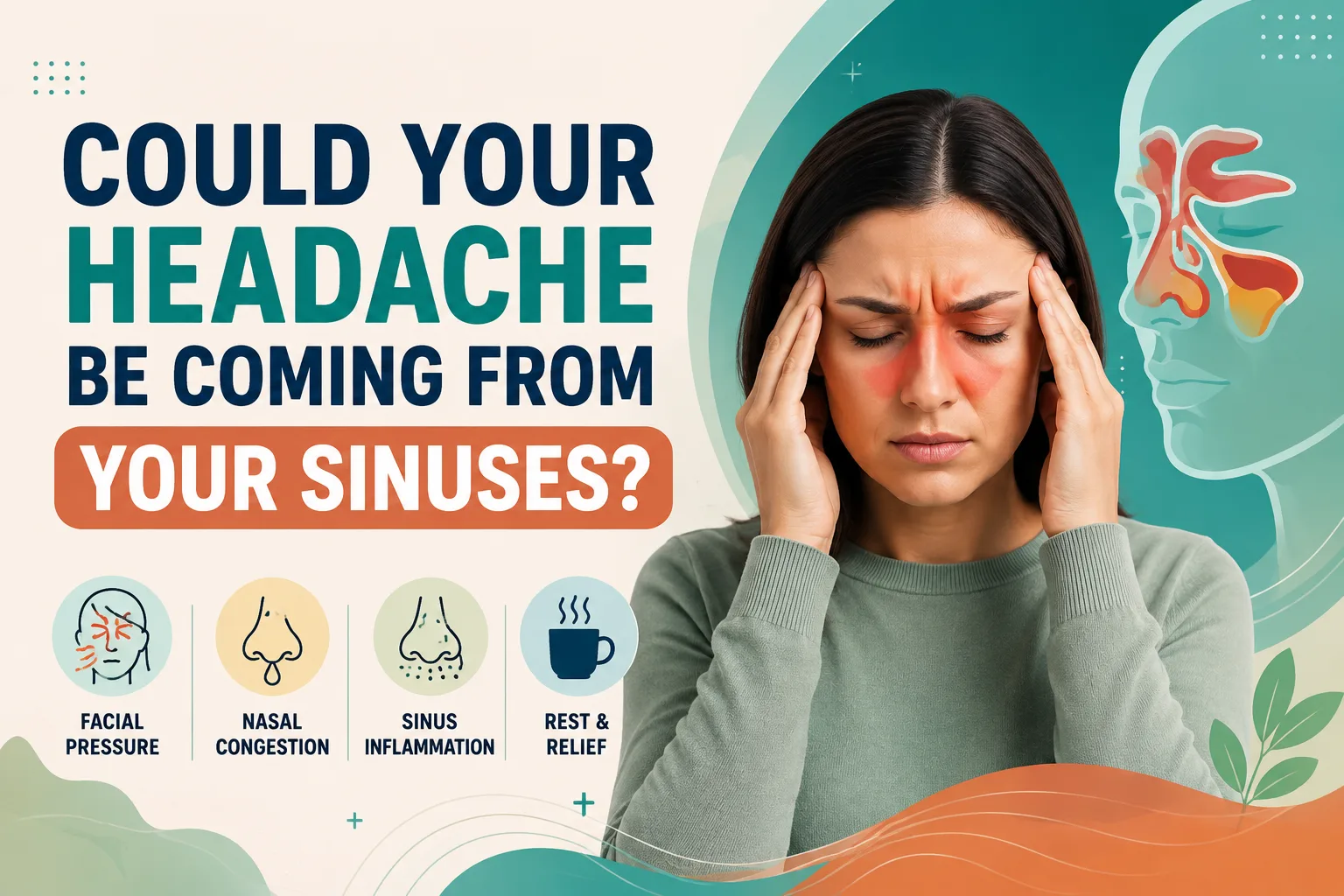
Could Your Headache Be Coming from Your Sinuses?

Could your headache actually be coming from your sinuses? 🤕 Sinus-related headaches may cause facial pressure, nasal congestion, thick mucus, reduced smell and pain around the forehead, cheeks or eyes. But migraine can feel similar. Learn the common causes, warning signs, prevention tips and when to seek medical advice. Don’t assume every “sinus headache” is sinusitis—know the difference and protect your health. 🧠💙
38
Disease Prevention5 min read

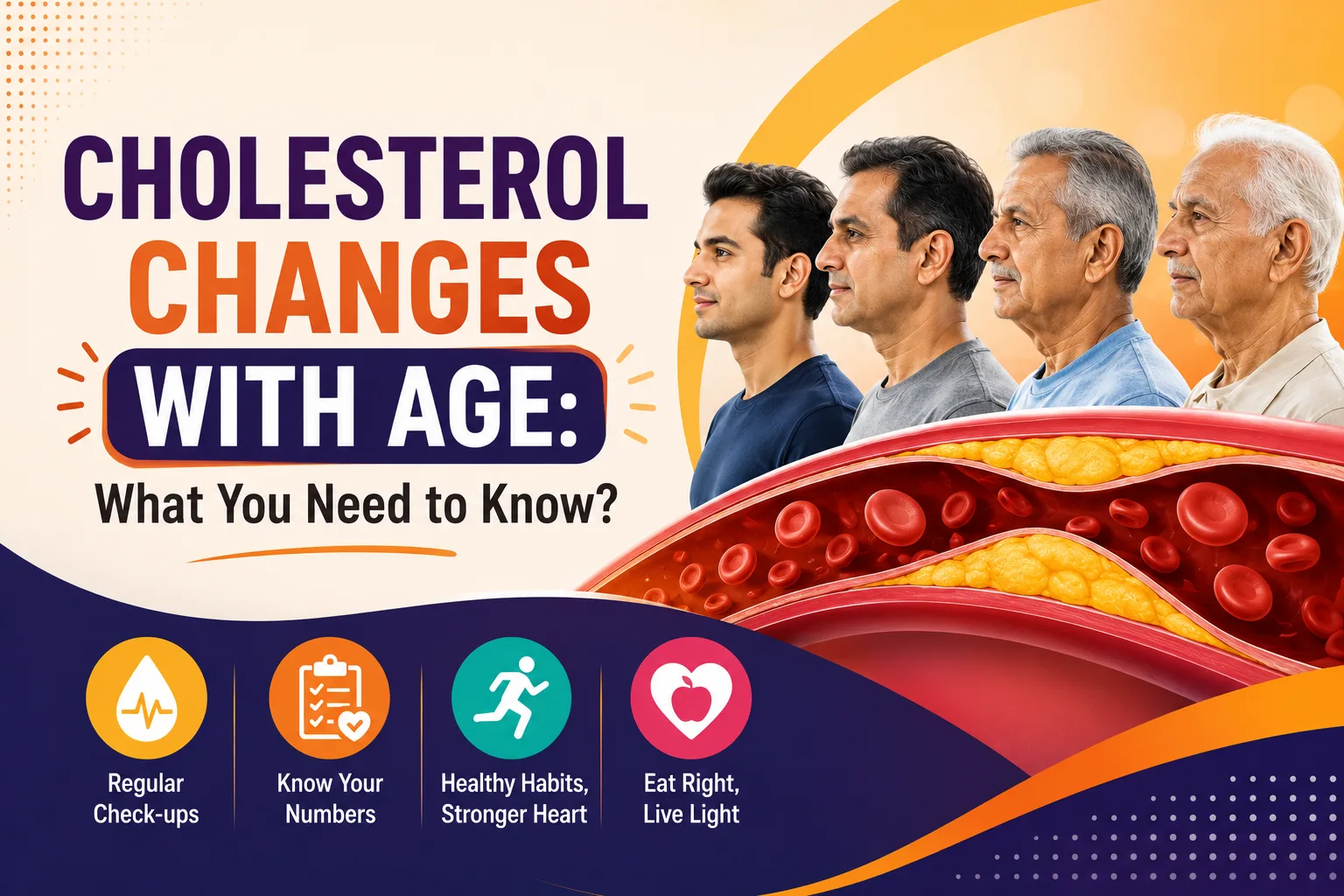
Cholesterol Changes With Age: What You Need to Know?

Cholesterol levels can change naturally with age, but high cholesterol often has no warning signs. As we get older, changes in metabolism, hormones, liver function and lifestyle can affect LDL, HDL and triglycerides. Regular cholesterol testing, heart-healthy eating, physical activity, maintaining a healthy weight and managing conditions like diabetes and high blood pressure can help protect your heart. Know your numbers and discuss your personal targets with your doctor.

40
Disease Prevention7 min read

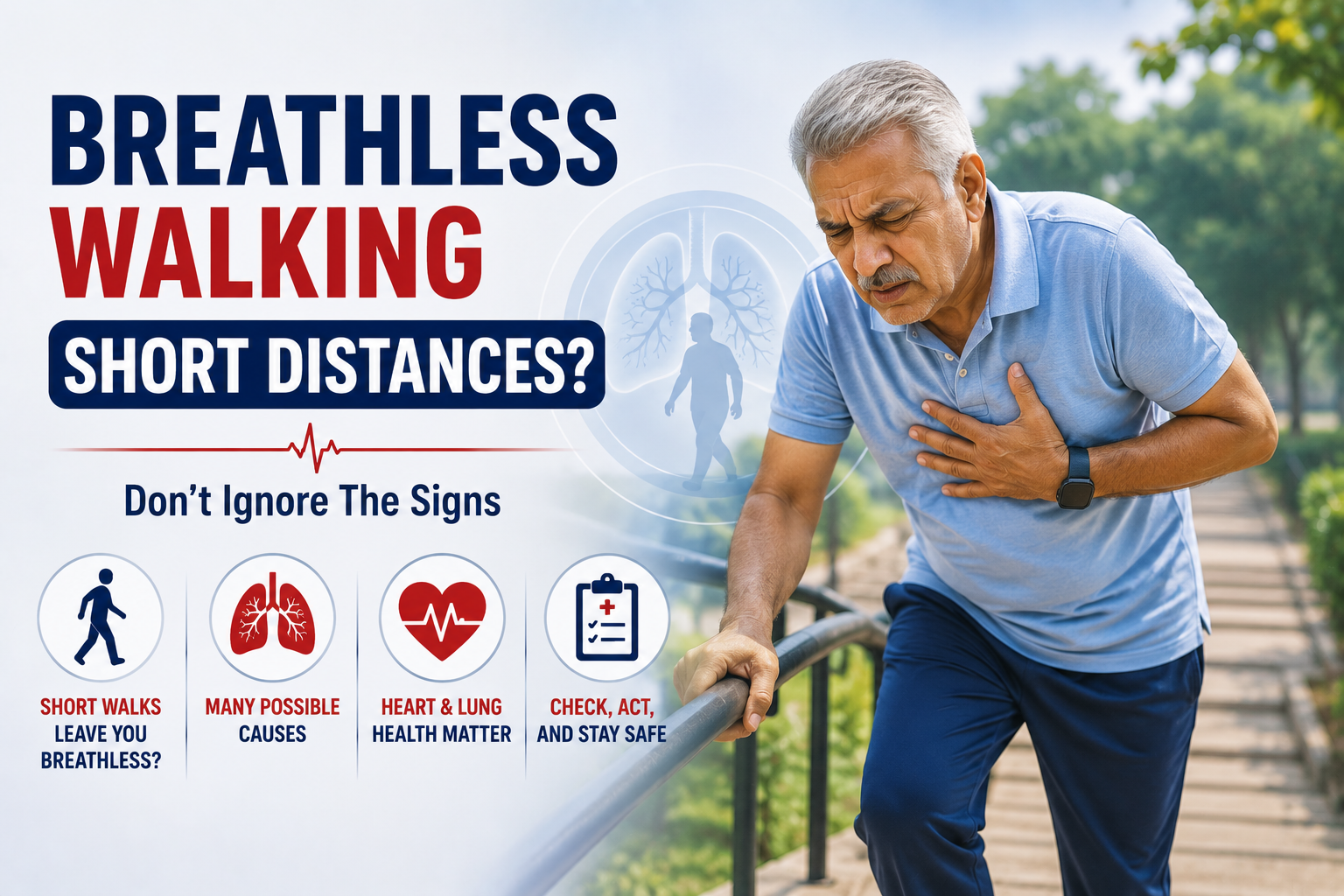
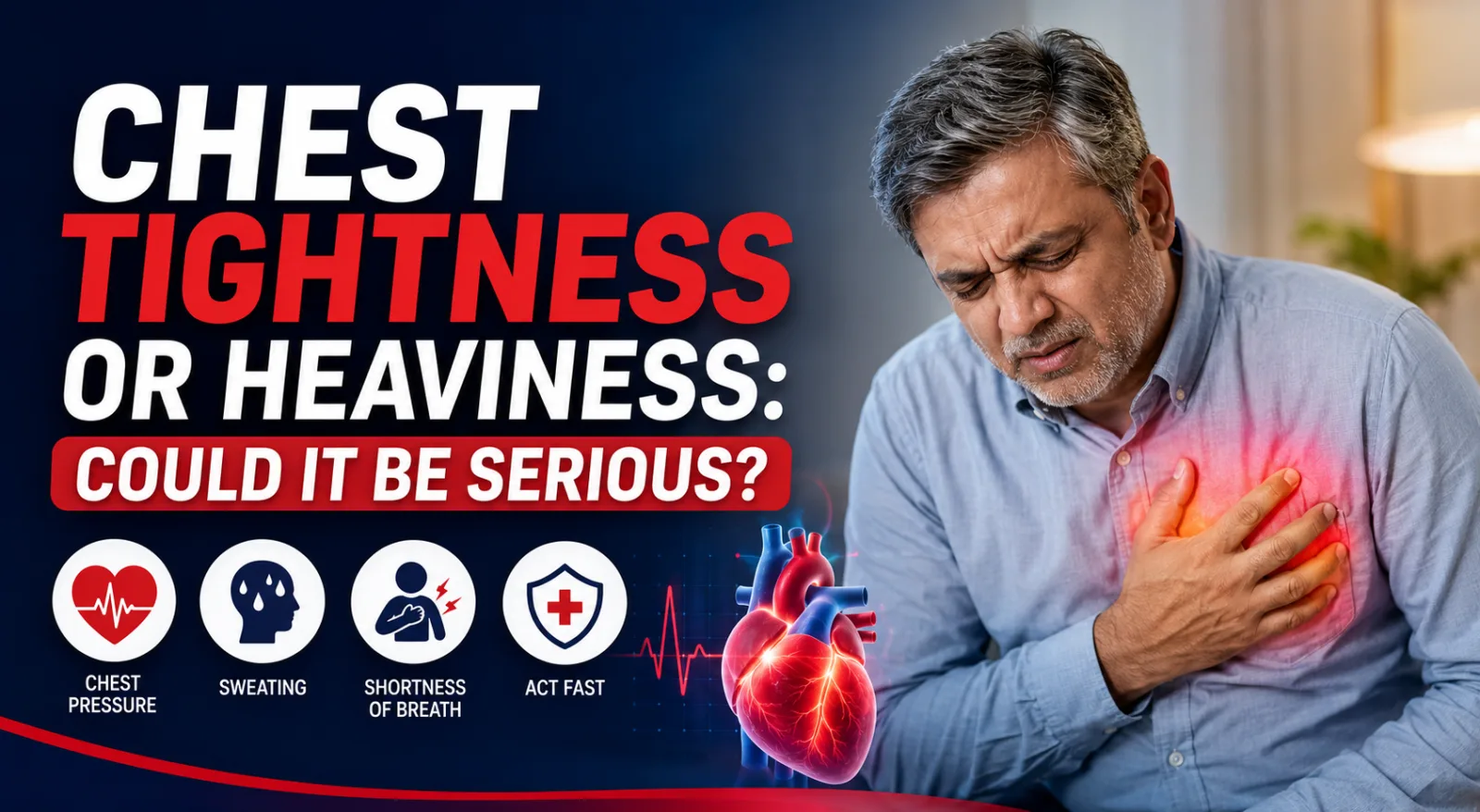
Breathless Walking Short Distances?

Breathlessness while walking a short distance should not always be dismissed as weakness or poor fitness. It can be linked to heart or lung conditions, anemia, infections, asthma, COPD, or other health issues. Notice when breathlessness occurs and whether it is worsening or accompanied by chest pain, dizziness, swelling, cough, or palpitations. Persistent or new symptoms deserve medical evaluation, while severe or sudden breathlessness needs urgent care.

41
Health Tips5 min read

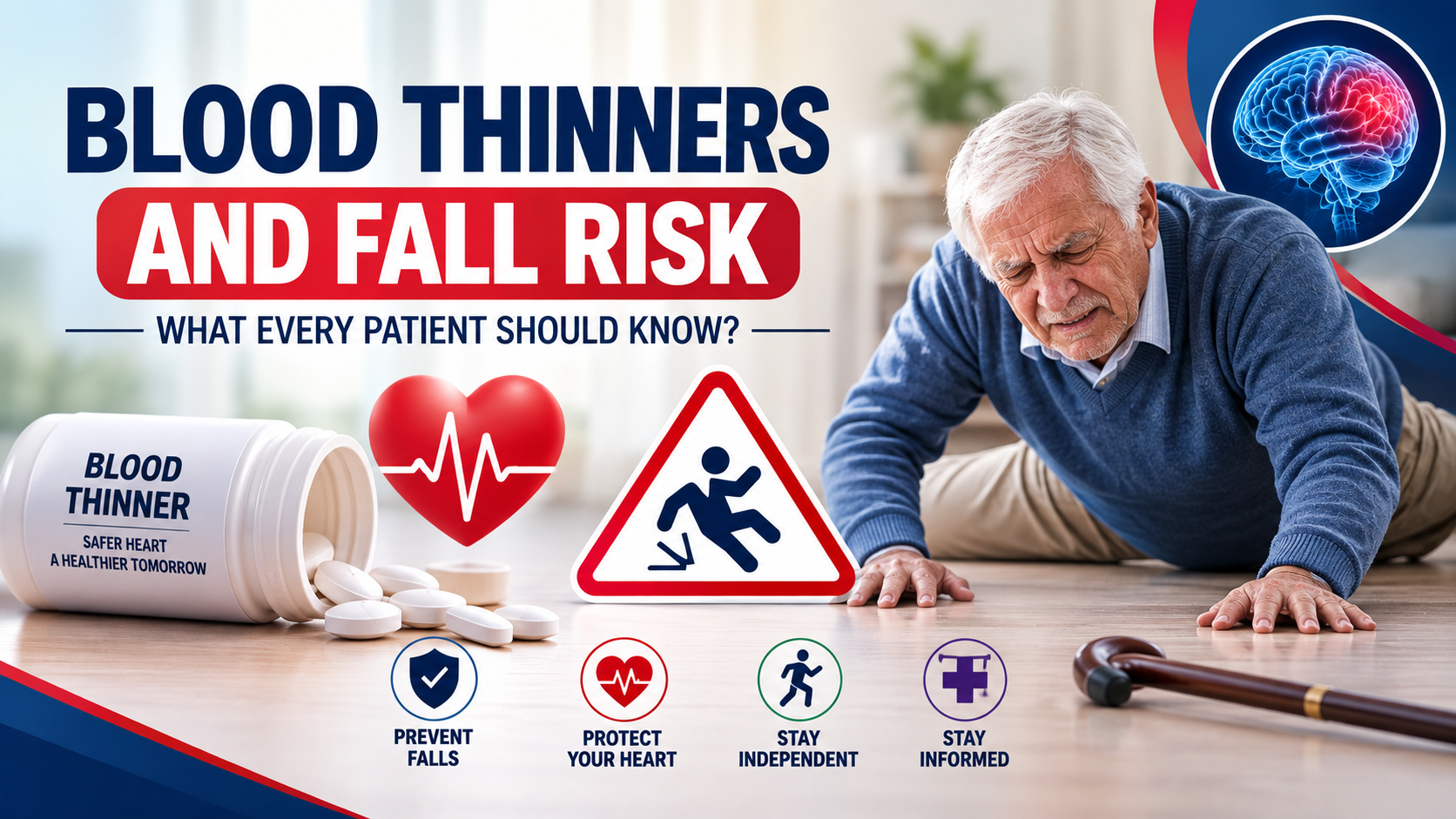
Blood Thinners and Fall Risk: What Every Patient Should Know?

Blood thinners can prevent dangerous clots, but they also increase bleeding risk—especially after a fall or head injury. Learn the warning signs of serious bleeding, who is most at risk, and simple steps to prevent falls at home and in daily life. Regular medication reviews, safe movement, and timely medical attention can make a major difference. Never stop or change a blood thinner without medical advice. Stay informed, stay safe, and protect your health.

42
Other5 min read

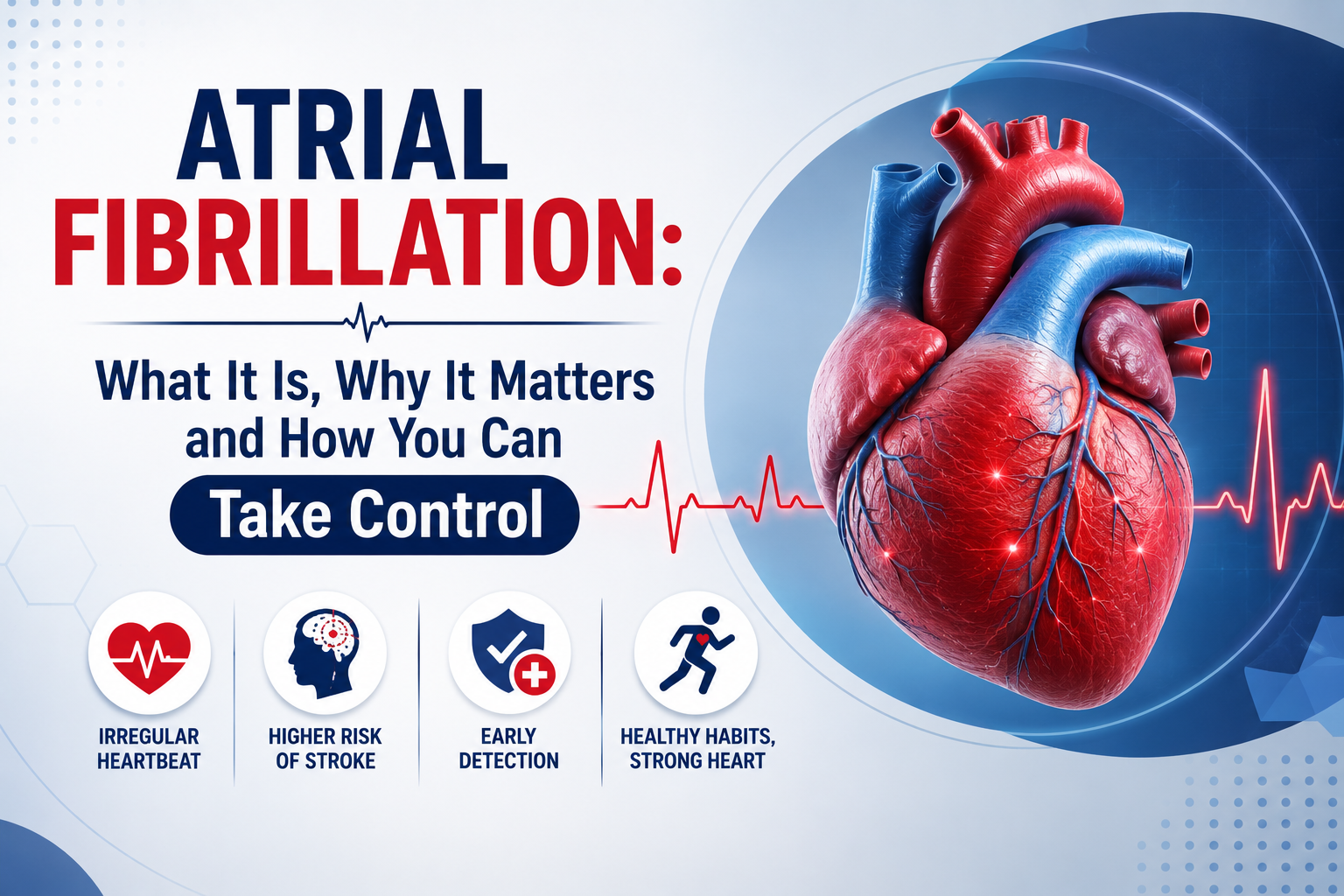
Atrial Fibrillation: What It Is, Why It Matters and How You Can Take Control

**Atrial Fibrillation (AFib)** is an irregular heartbeat that can sometimes have no obvious symptoms—but it can significantly increase the risk of stroke. Learn to recognize warning signs like palpitations, breathlessness, dizziness and fatigue. Early detection, healthy lifestyle habits, regular check-ups and the right treatment can help manage AFib and protect heart health. ❤️🫀

43
Other6 min read

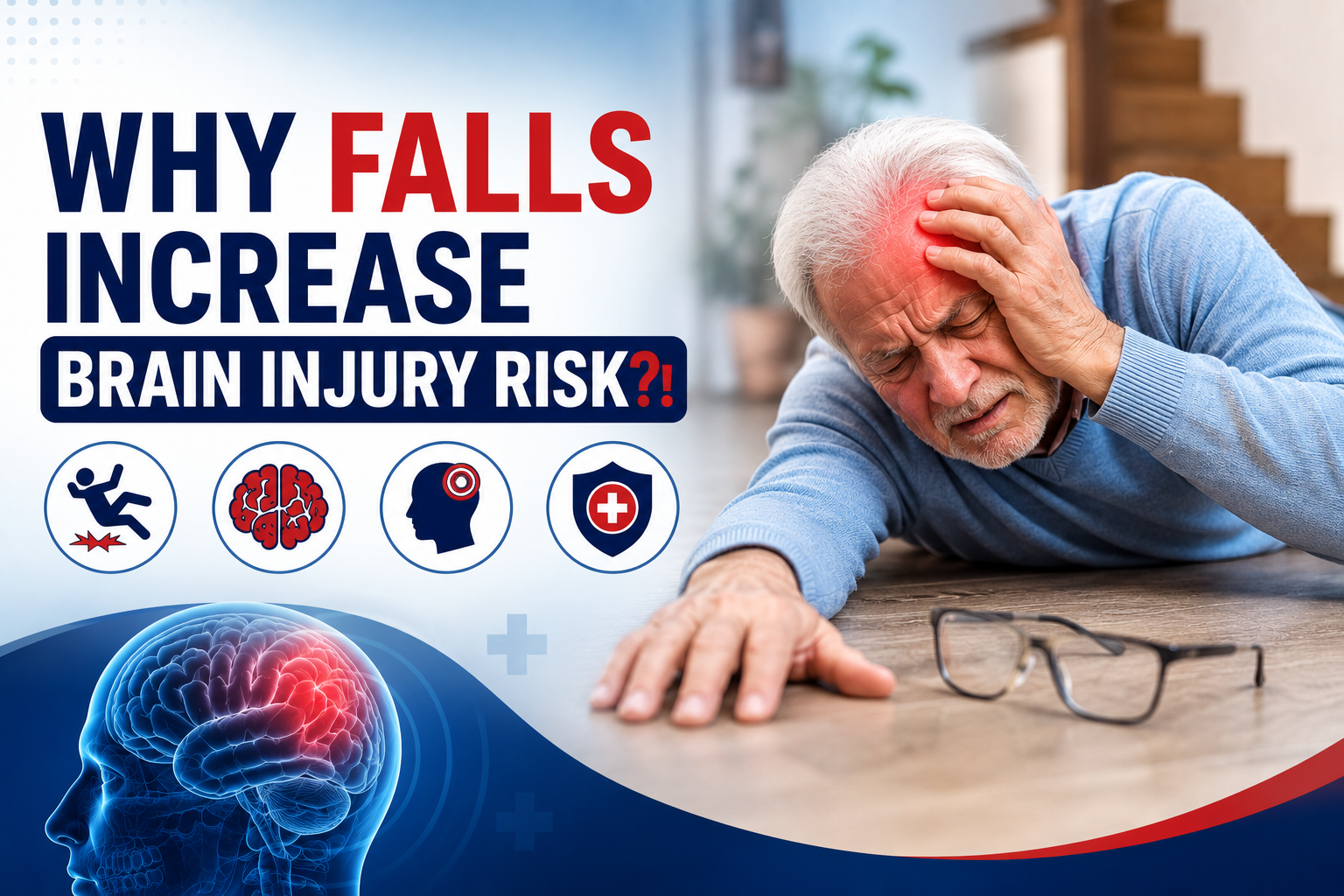
Why Falls Increase Brain Injury Risk?

A simple fall can lead to a serious brain injury, even when there are no visible wounds. Symptoms such as headache, dizziness, confusion, memory loss, or unusual drowsiness may appear hours later. Older adults, children, and people taking blood thinners are at greater risk. Prevent falls by improving home safety, wearing proper footwear, staying active, and reviewing medications regularly. Seek immediate medical attention if warning signs develop after a head injury.

44
Health Tips5 min read

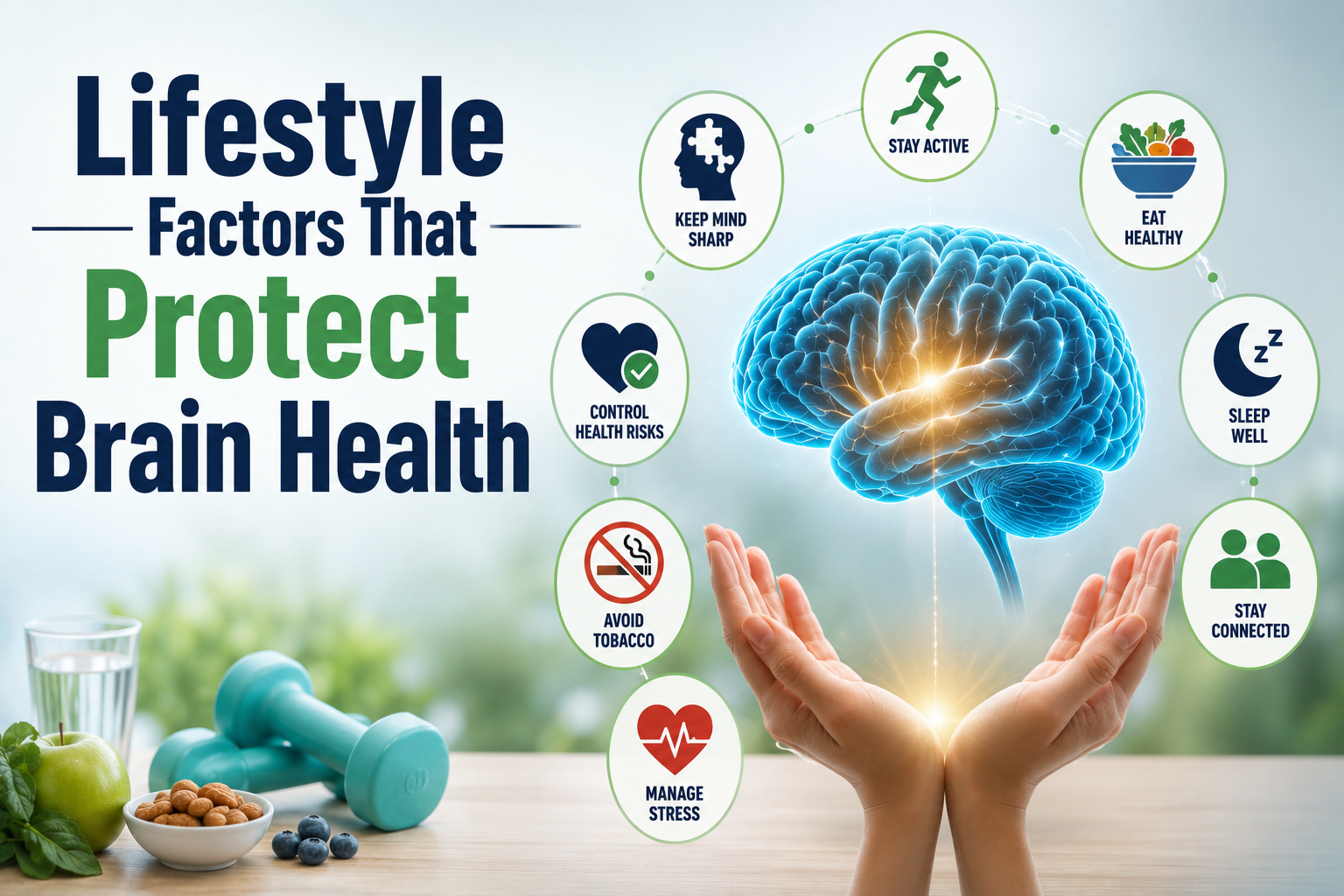
Lifestyle Factors That Protect Brain Health

Your brain thrives on the choices you make every day. Regular exercise, nutritious meals, quality sleep, stress management, social connections, and mentally stimulating activities all play a vital role in protecting memory and cognitive function. Managing blood pressure, diabetes, cholesterol, and avoiding smoking can further reduce the risk of stroke and dementia. Small, consistent lifestyle habits today can help keep your mind sharp, active, and healthy for years to come.

45
Patient Education5 min read

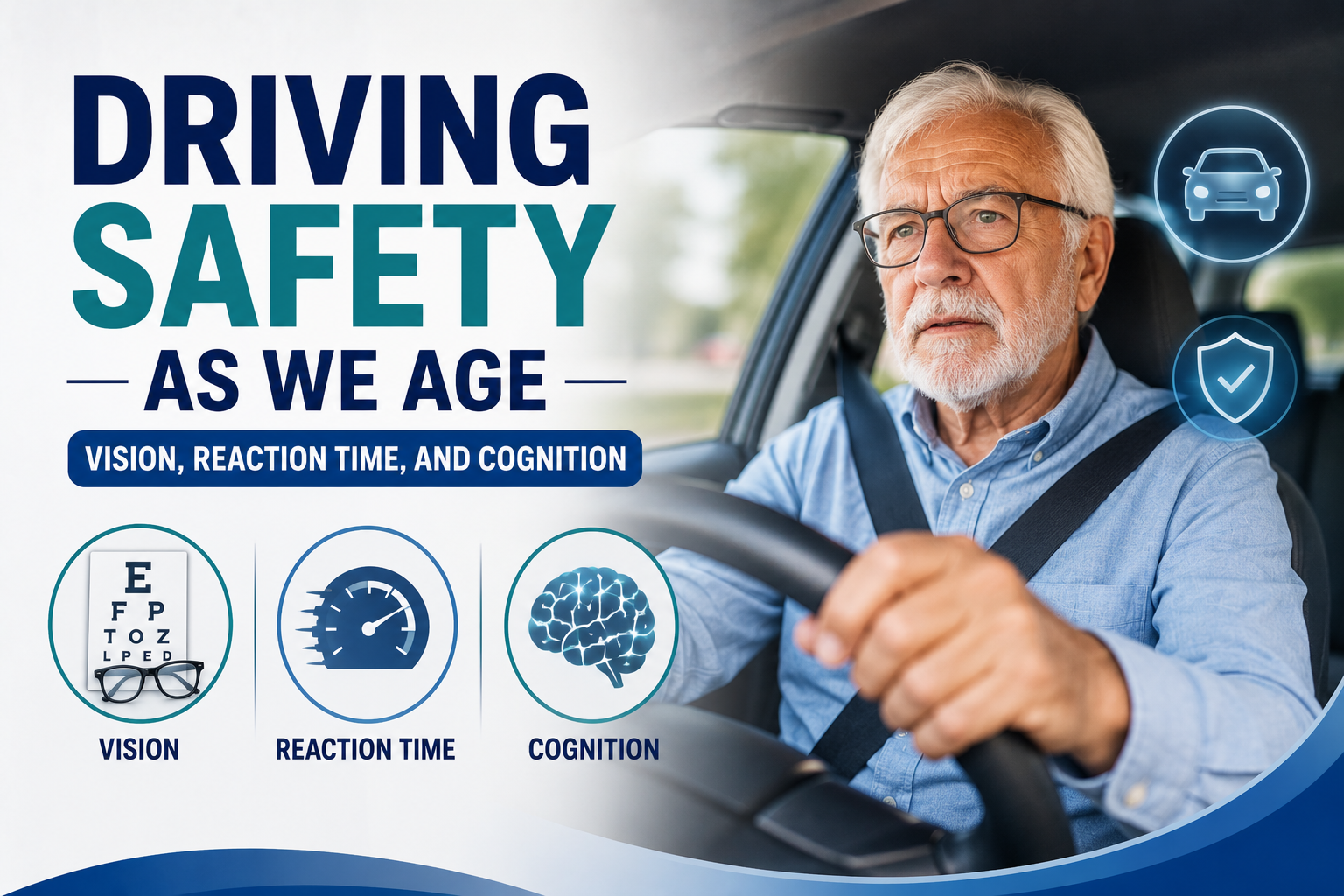
Driving Safety as We Age: Vision, Reaction Time, and Cognition

Safe driving depends on good vision, quick reaction time, and healthy cognitive function. As we age, changes in eyesight, reflexes, and memory can affect driving safety. Regular eye exams, medication reviews, physical activity, and routine health check-ups help maintain confidence behind the wheel. Recognizing early warning signs and seeking timely medical advice can protect both your independence and the safety of everyone on the road.

46
Health Tips4 min read

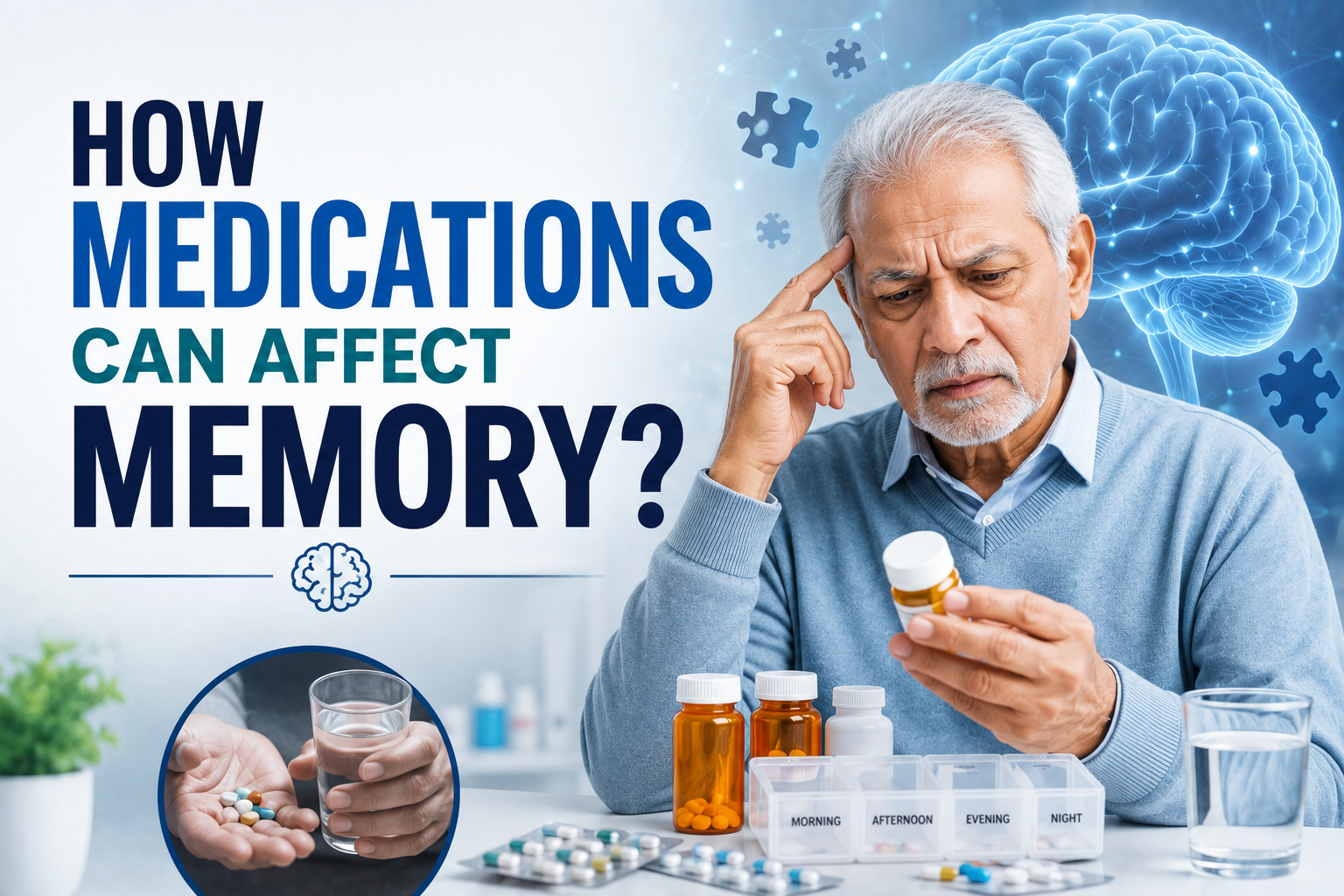
How Medications Can Affect Memory?

Some medications can affect memory, concentration, or cause mental fog, especially in older adults or those taking multiple medicines. If you notice forgetfulness, confusion, or unusual drowsiness after starting a new medication, don’t ignore it. Never stop prescribed medicines without medical advice. A timely medication review with your doctor can help identify the cause and protect both your treatment goals and your brain health

47
Mental Health7 min read

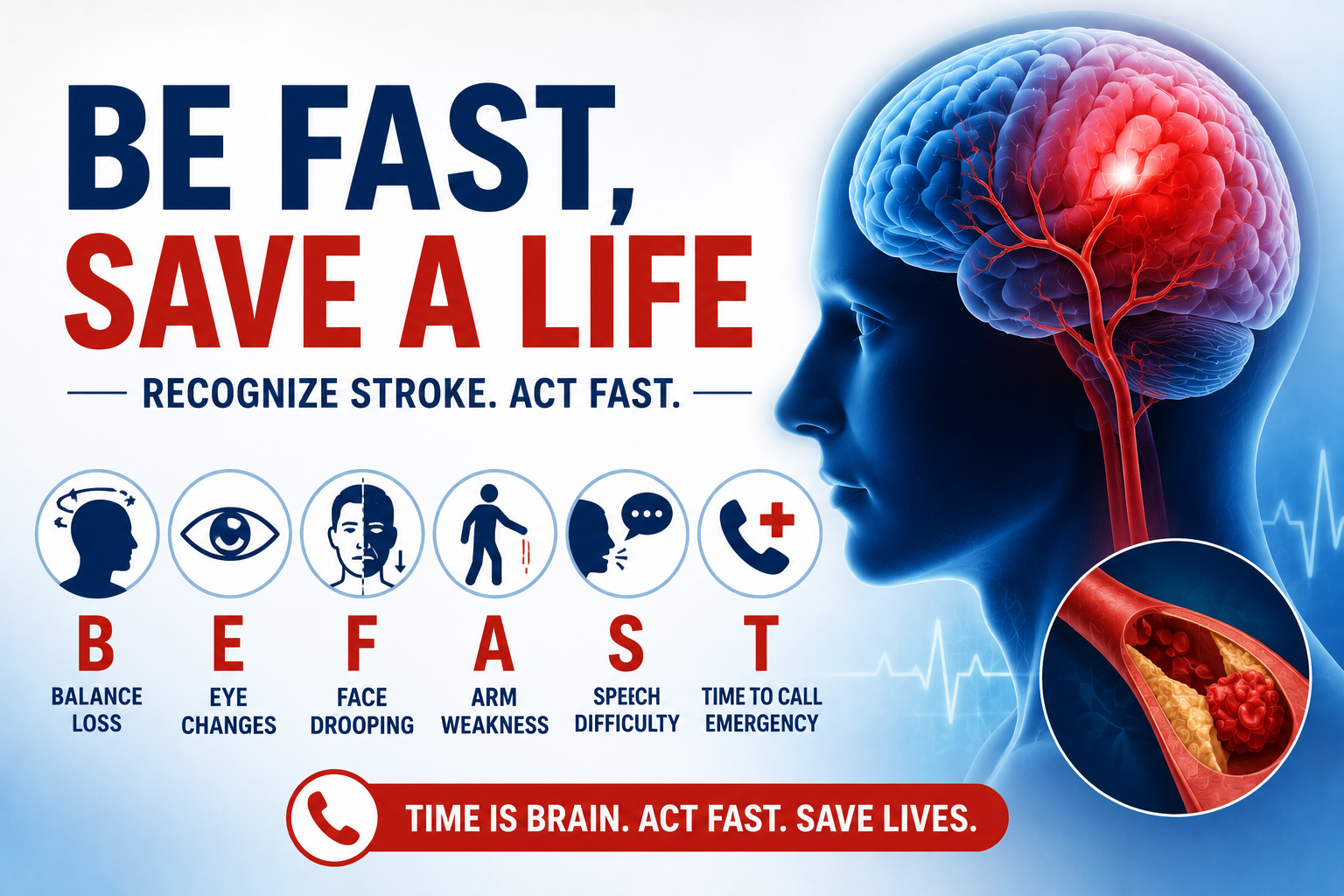
Brain Stroke: Acting Within the "Golden Window" Can Save a Life

A stroke can happen suddenly, but many cases are preventable with healthy habits and early action. Managing blood pressure, blood sugar, cholesterol, staying active, eating a balanced diet, and avoiding tobacco can significantly lower your risk. Learn the warning signs using the B.E.F.A.S.T. method and act immediately if symptoms appear. Quick treatment can save brain function, reduce disability, and even save lives. Your brain health starts with prevention.

48
Mental Health7 min read

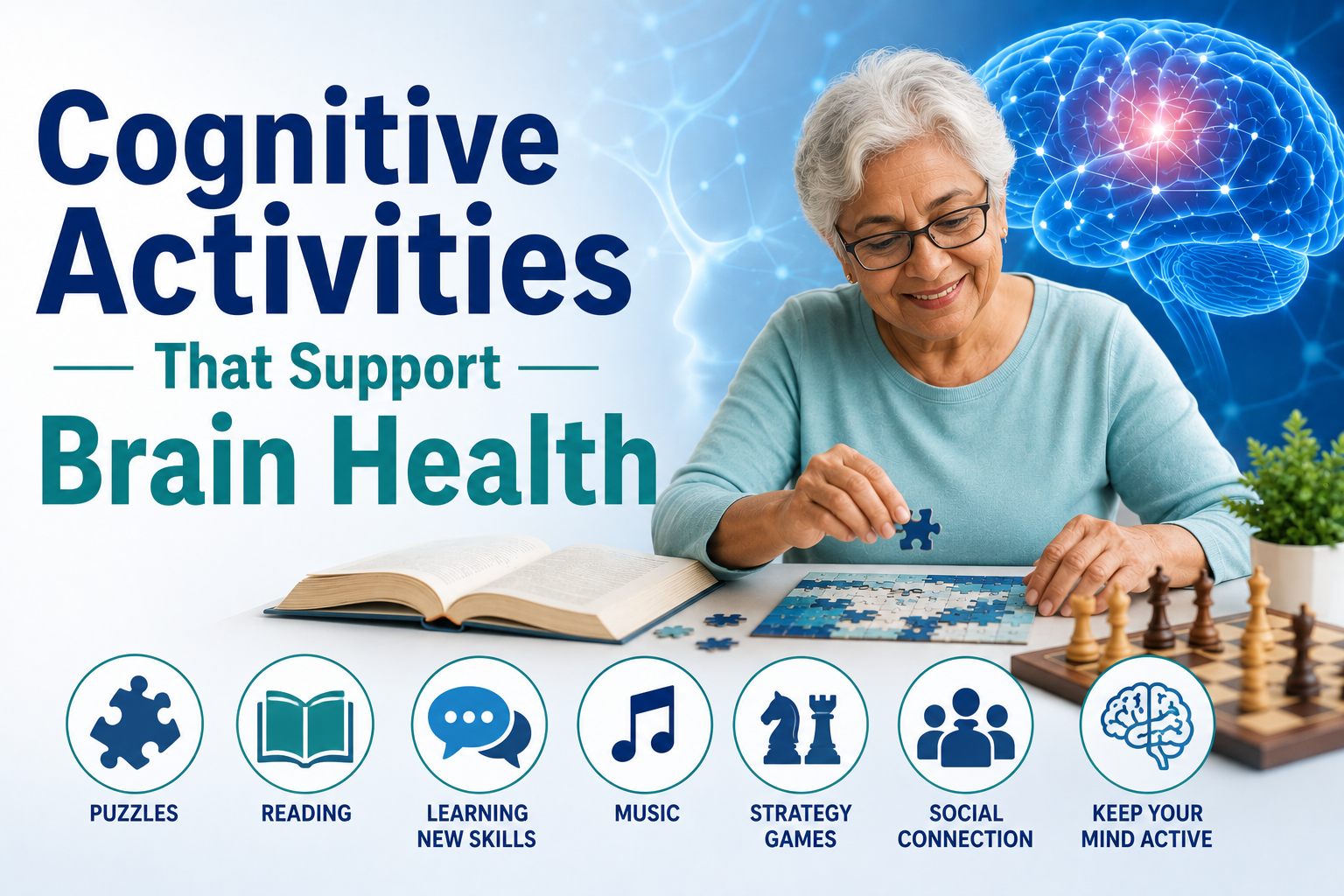
Cognitive Activities That Support Brain Health

Keeping your brain active is one of the best ways to support memory, focus, and long-term cognitive health. Activities like reading, puzzles, learning new skills, playing music, and staying socially connected help strengthen brain function and build cognitive resilience. Combined with regular exercise, healthy eating, quality sleep, and stress management, these simple daily habits can help protect your mind and promote healthy brain aging.