The Gewo Journal

Articles by Dr. Shraddha Dayanand Bangera

Integrative Physician. Every article below is written by this doctor.

61 published articles View care profile

Latest thinking

Dr. Shraddha Dayanand Bangera’s blogs

Showing articles by Dr. Shraddha Dayanand Bangera · Book or view profile · Show all doctors

25
Mental Health4 min read

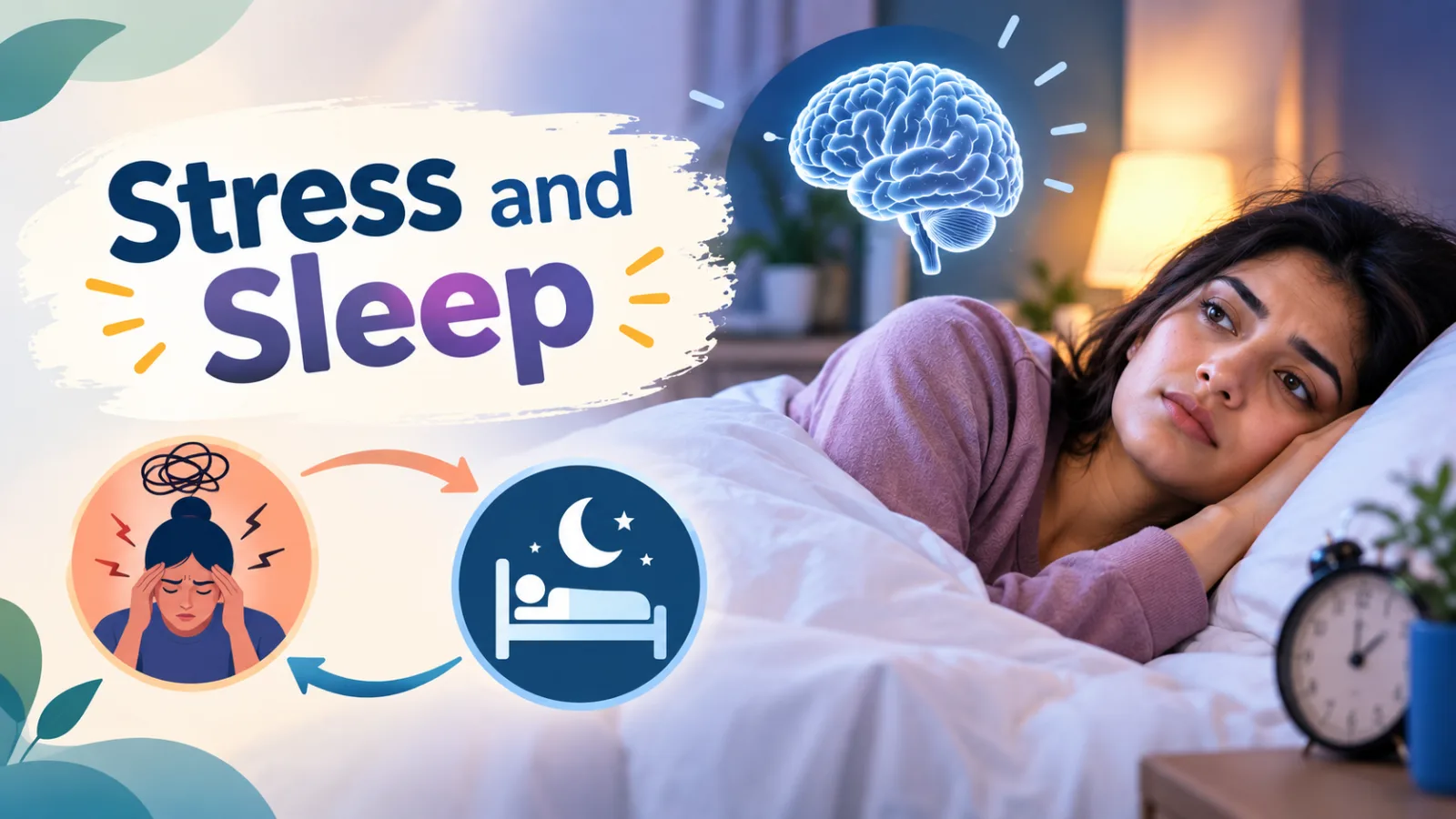
Stress and Sleep: How They Affect Each Other and Why Sleep Matters for Recovery

Stress and sleep affect each other in a powerful cycle. Ongoing stress can make it difficult to fall or stay asleep, while poor sleep can increase irritability, anxiety, and difficulty coping with daily challenges. Learn practical ways to protect your sleep, manage stress, recognise persistent sleep problems, and understand when professional support may be helpful. Small, consistent habits can support better sleep, recovery, mood, and overall well-being.

26
Wellness5 min read

Sleep and the Brain: What Really Happens at Night and Why It Matters?

Sleep is essential for brain health, helping support memory, mood, concentration, and cognitive function. Poor sleep, irregular schedules, stress, screen use, and sleep disorders can affect the brain’s restorative processes. Learn simple ways to improve sleep, recognise warning signs, and understand when professional help may be needed. Prioritising healthy sleep can support sharper thinking, better mood, and long-term brain health.

27
Wellness5 min read

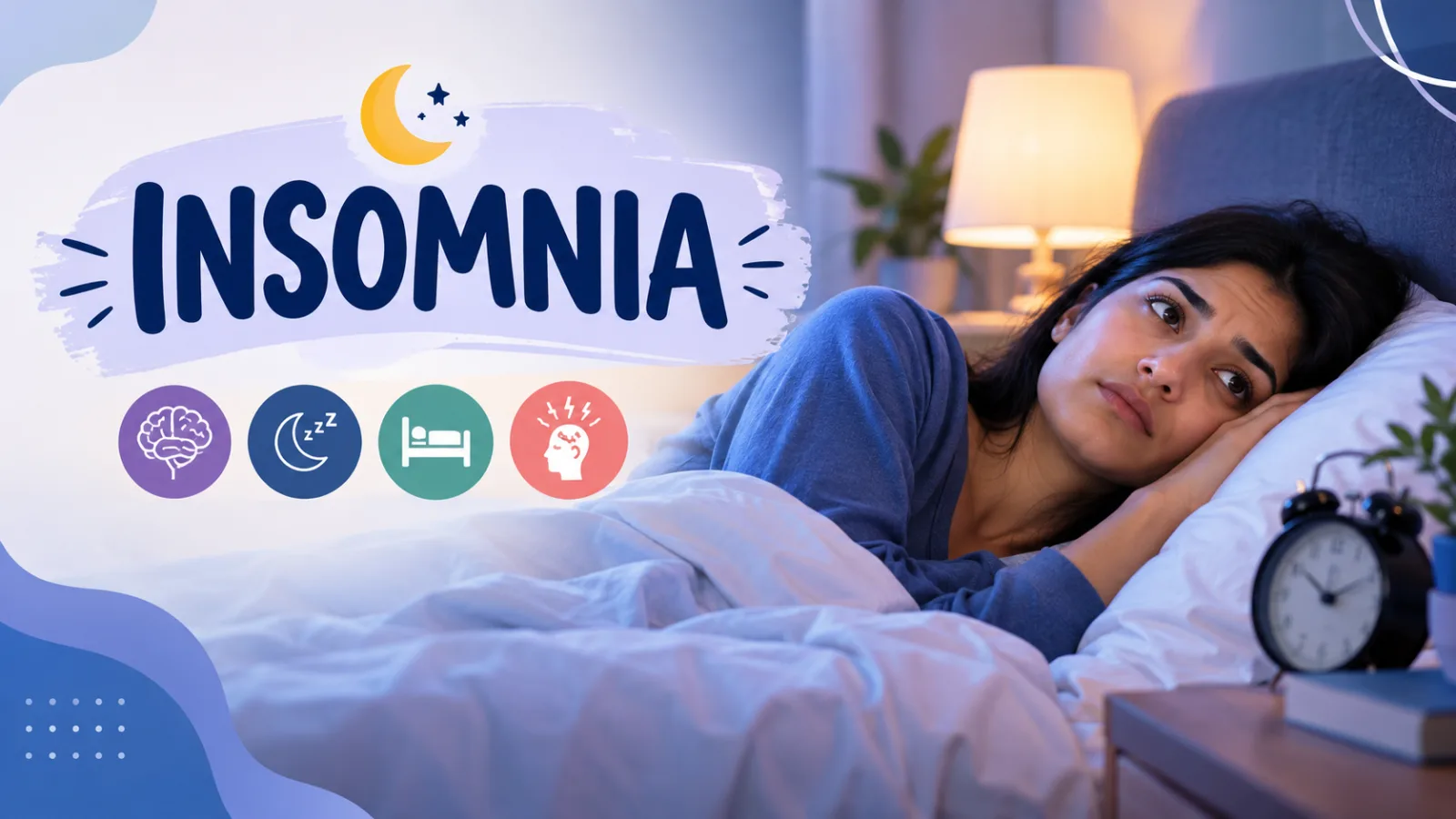
Insomnia: A Patient-Friendly Guide to Better Sleep

Insomnia is more than an occasional sleepless night. Difficulty falling asleep, staying asleep, or waking too early can affect energy, concentration, mood, and daily life. Consistent sleep habits, a calming bedtime routine, limiting caffeine and screens, and a comfortable sleep environment can support better rest. If sleep problems persist or affect your daily functioning, consult a healthcare professional to identify the cause and explore appropriate treatment options.

29
Disease Prevention5 min read

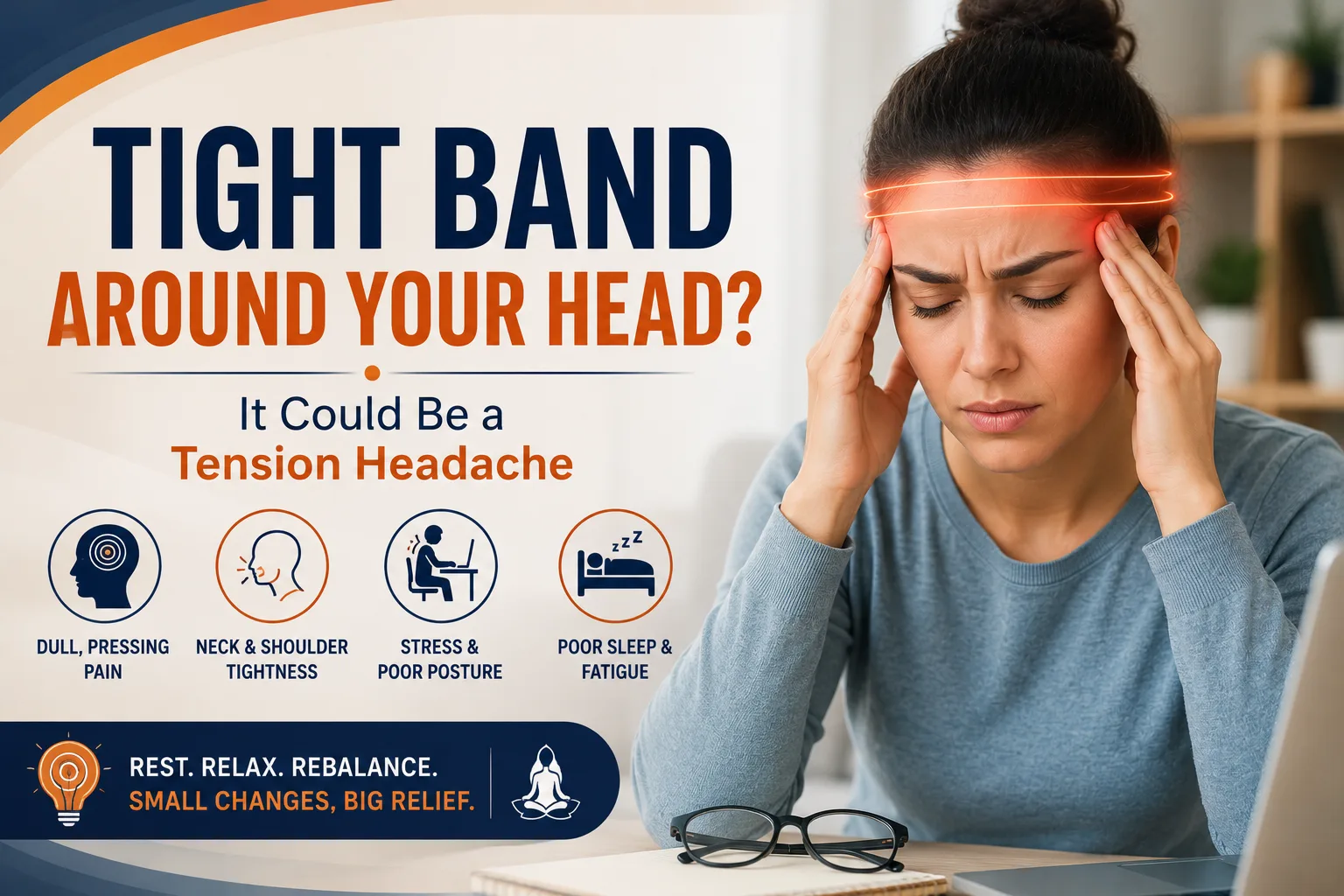
Tight Band Around Your Head?

A tight or pressing feeling around the head is commonly associated with tension-type headaches. Stress, poor posture, screen time, eye strain, dehydration, skipped meals, poor sleep, and muscle tension can trigger or worsen them. Learn simple ways to prevent and manage tension headaches, recognize warning signs, and know when frequent, severe, or unusual headaches need medical attention. Small lifestyle changes can make a meaningful difference.

30
Disease Prevention6 min read

Swollen Ankles and Pitting Edema: What Could They Mean?

Swollen ankles are common, but persistent or pitting swelling can sometimes signal an underlying health problem. Causes may include prolonged sitting, high salt intake, vein problems, certain medicines, heart, kidney, liver or thyroid conditions, and blood clots. Learn what pitting edema means, simple prevention tips, warning signs, and when medical evaluation is important. Sudden one-sided swelling with pain or breathing difficulty needs urgent attention.

31
Disease Prevention5 min read

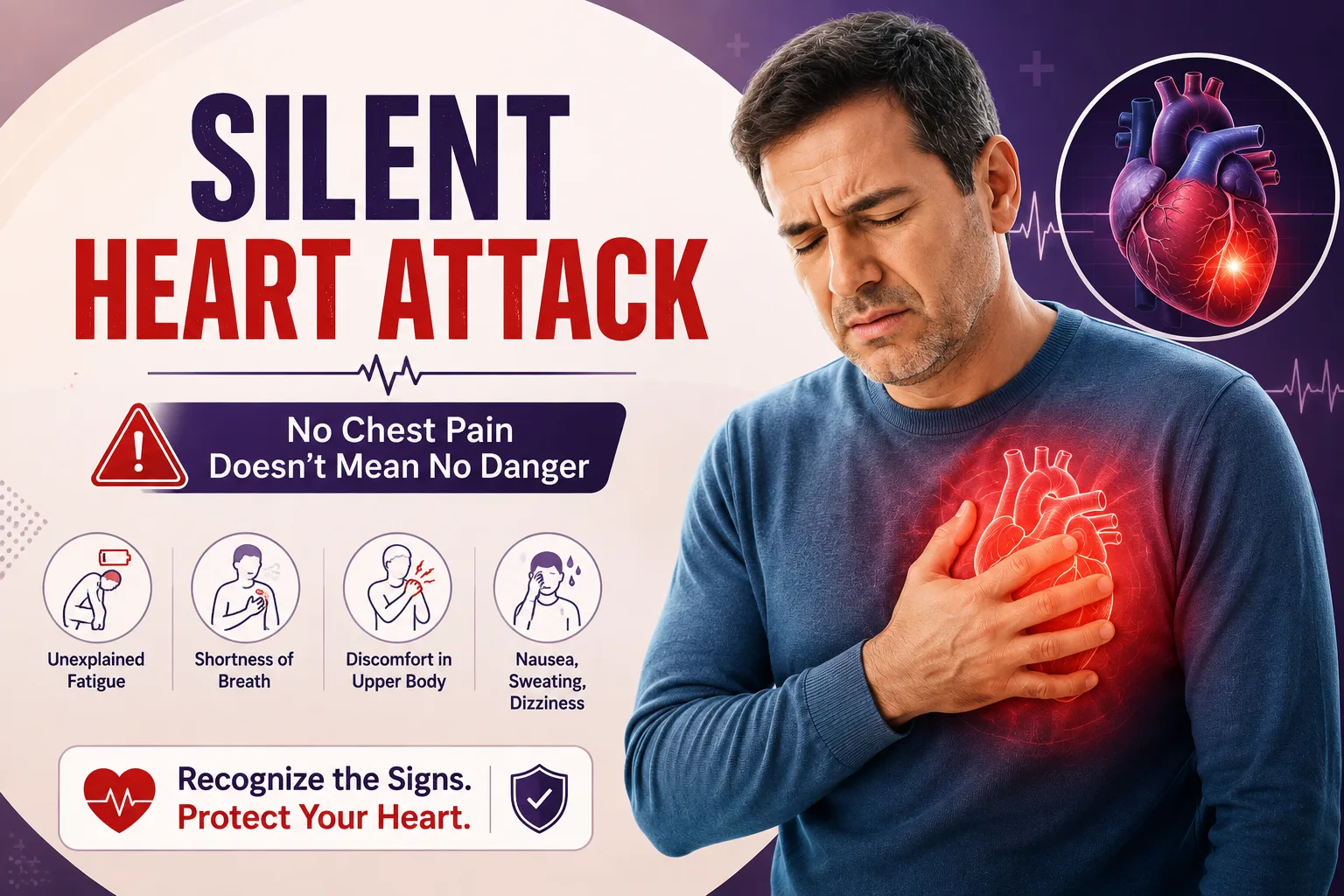
Silent Heart Attack: When “No Chest Pain” Does Not Mean No Danger?

A silent heart attack can happen with little or no chest pain, but it can still damage the heart. Unusual fatigue, shortness of breath, sweating, nausea, dizziness, or discomfort in the jaw, back, neck, shoulder, or arm may be warning signs. Learn the risk factors, prevention tips, and when to seek urgent medical care. Recognizing subtle symptoms early can help protect your heart and prevent serious complications.

32
Disease Prevention5 min read

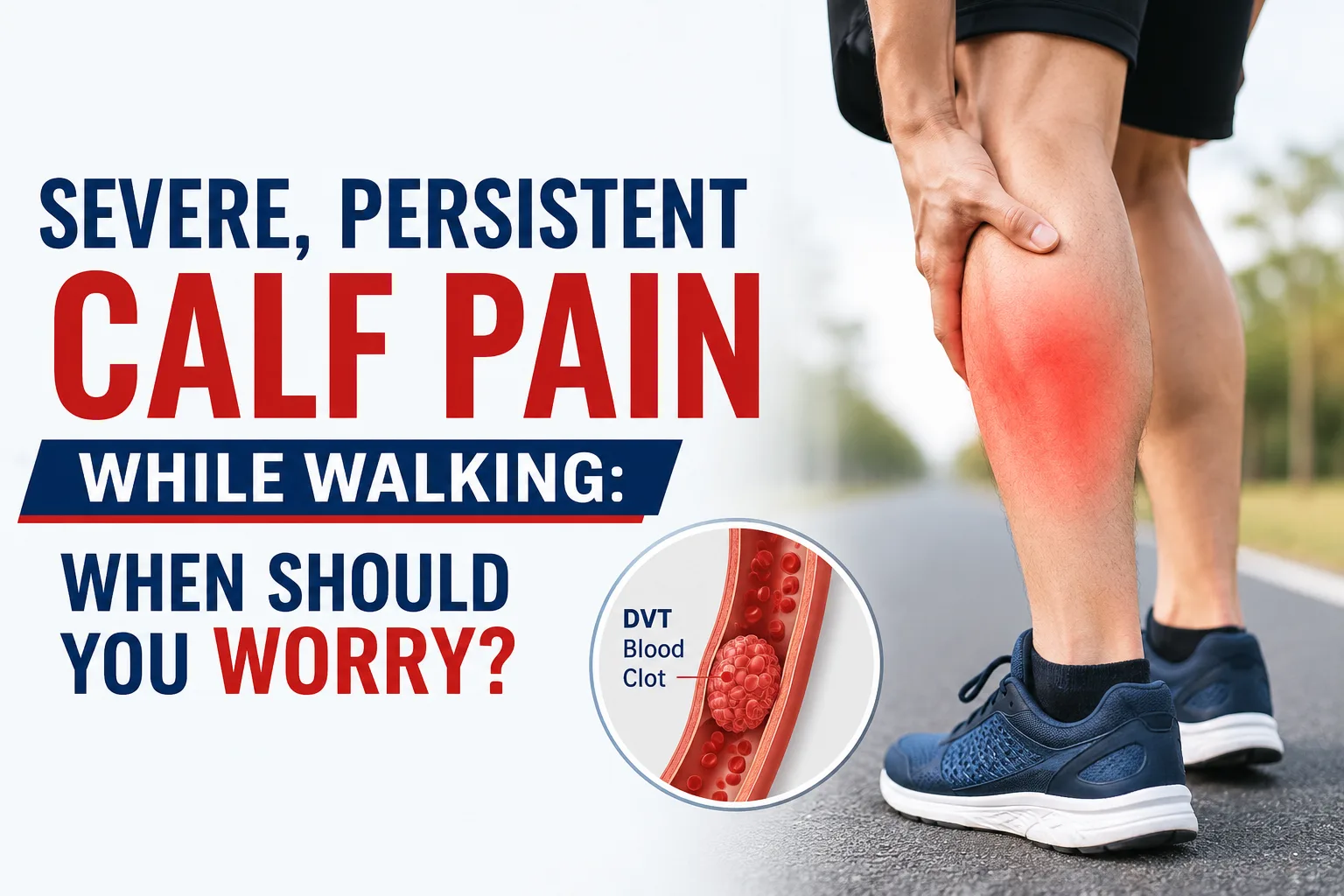
Severe, Persistent Calf Pain While Walking: When Should You Worry?

Severe or persistent calf pain while walking should not always be treated as a simple muscle strain. It can sometimes be linked to deep vein thrombosis (DVT), a blood clot that may lead to serious complications such as pulmonary embolism. Learn the warning signs, risk factors, prevention tips, and when urgent medical attention is needed. Early recognition and timely evaluation can help prevent dangerous complications.

33
Disease Prevention5 min read

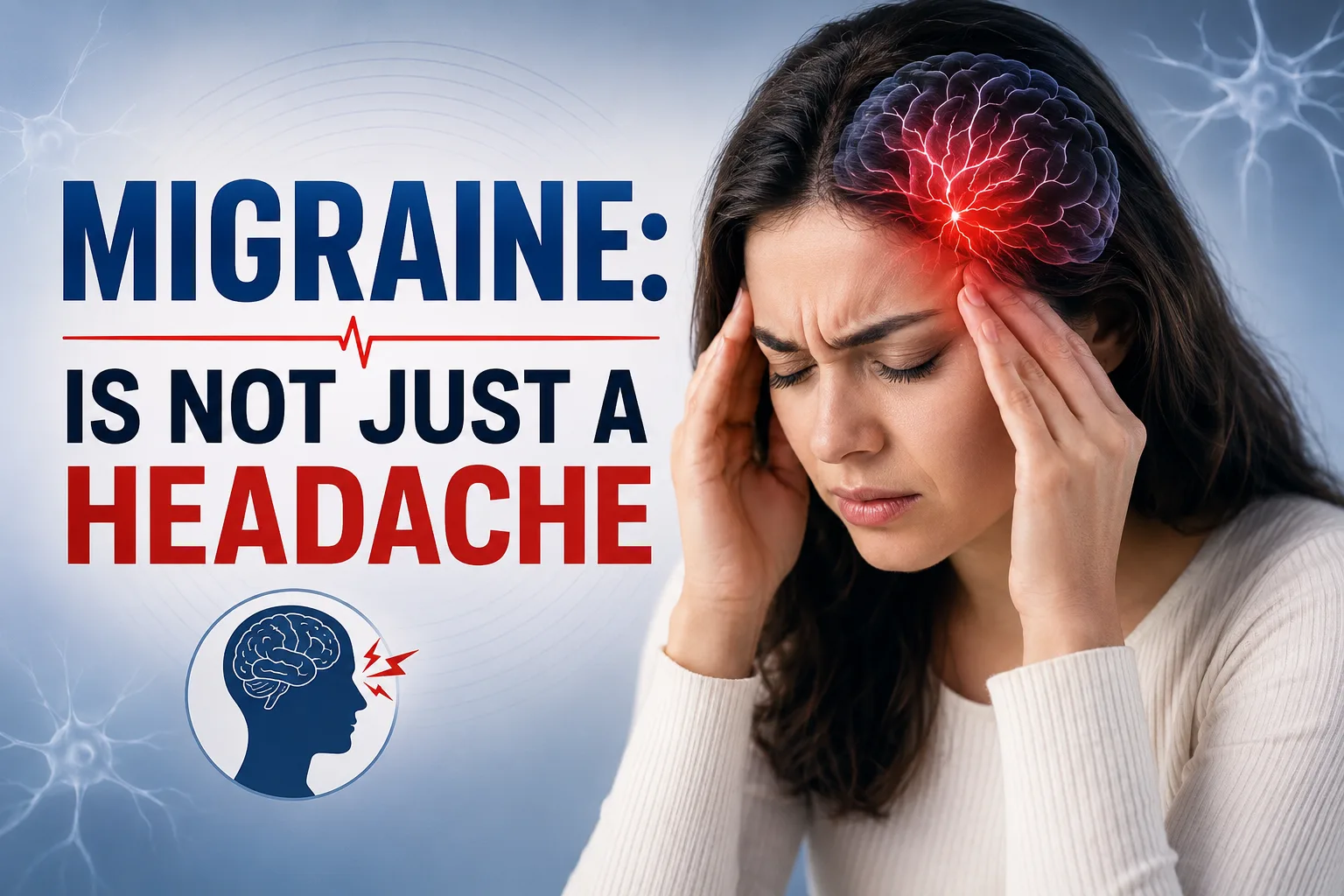
Migraine: Is Not Just a Headache

Migraine is more than just a headache—it is a neurological condition that can cause severe pain, nausea, sensitivity to light and sound, and sometimes visual or other neurological symptoms. This article explains common migraine triggers, symptoms, prevention strategies, treatment options, and warning signs that need medical attention. Understanding your triggers and tracking symptoms can help improve migraine management and quality of life.

34
Disease Prevention4 min read

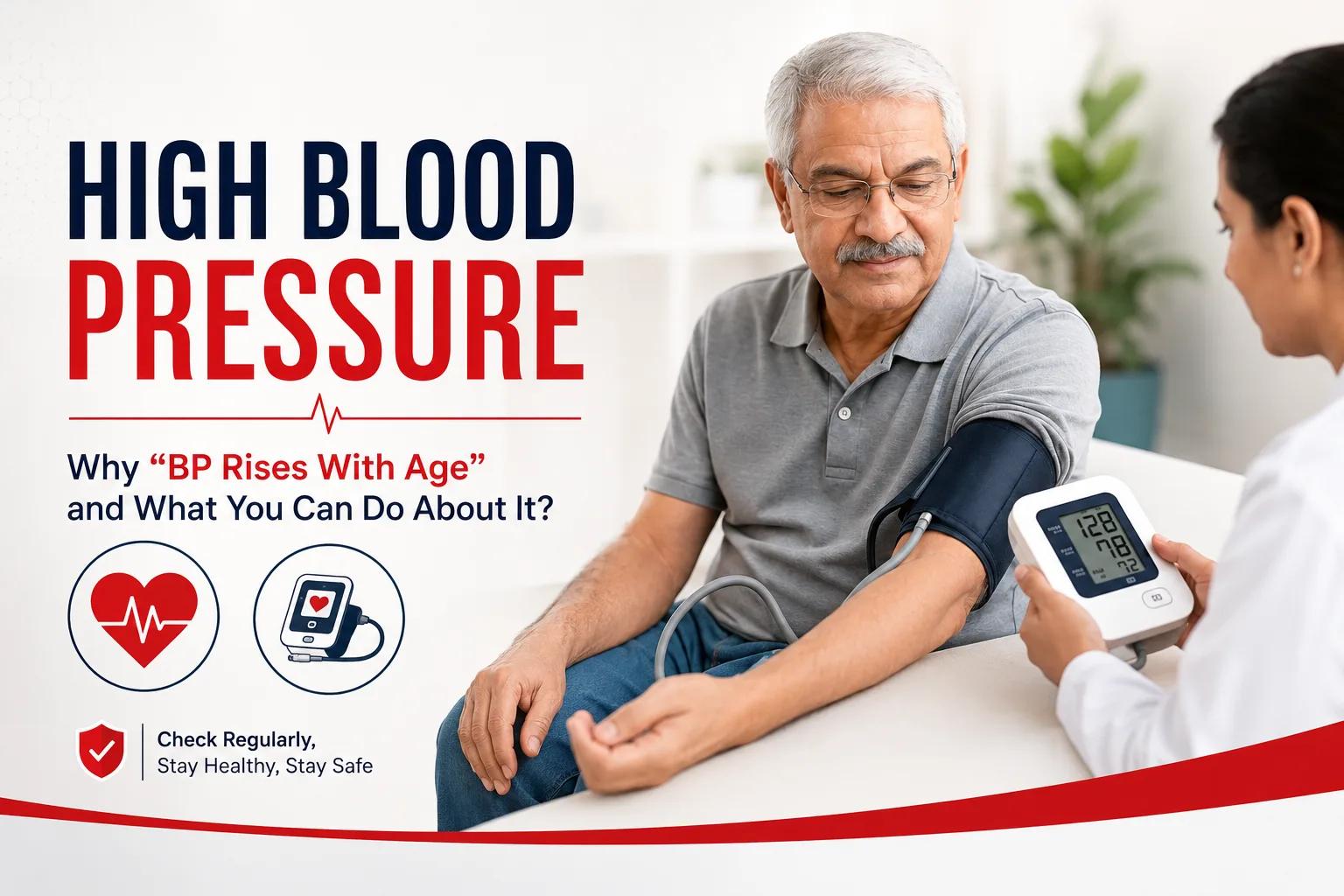
High Blood Pressure: Why “BP Rises With Age” and What You Can Do About It?

High blood pressure often becomes more common with age, but it is not something you simply have to accept. This article explains why BP can rise as blood vessels become stiffer, the risk factors and warning signs to know, and practical ways to manage it. Learn how healthy eating, regular exercise, weight control, less salt, better sleep, stress management, regular BP checks, and proper medical care can help protect your heart, brain, kidneys, and overall health.

35
Patient Education5 min read

Feeling Dizzy Standing Up?

Feeling dizzy when you stand up? It may be orthostatic hypotension—a sudden drop in blood pressure that can cause lightheadedness, blurred vision, weakness or even fainting. Dehydration, medications, prolonged inactivity and certain health conditions can contribute. Learn simple ways to reduce symptoms and when dizziness needs medical attention. Don’t ignore repeated episodes—your safety matters. 💙

36
Patient Education5 min read

Fainting: When It's Okay, and When Should You Worry?

Fainting can happen for simple reasons like dehydration, heat, standing too long, or emotional stress—but sometimes it can signal a heart or neurological problem. Learn the warning signs, common causes, prevention tips, and when fainting needs urgent medical attention. If fainting happens during exercise, with chest pain, breathing difficulty, palpitations, seizure-like movements, or without warning, don’t ignore it. Seek medical evaluation promptly. 🫀🧠