Wellness
WHEN PERIOD PAIN IS SERIOUS
Period pain is common, but severe pain that disrupts daily life is not something to ignore. This article explains the difference between normal cramps and serious conditions like endometriosis, fibroids, adenomyosis, and pelvic infections. It highlights warning signs such as heavy bleeding, worsening pain, pain during intimacy, or cramps that do not improve with medication. Understanding period pain early can help women seek proper care, treatment, and long-term relief.
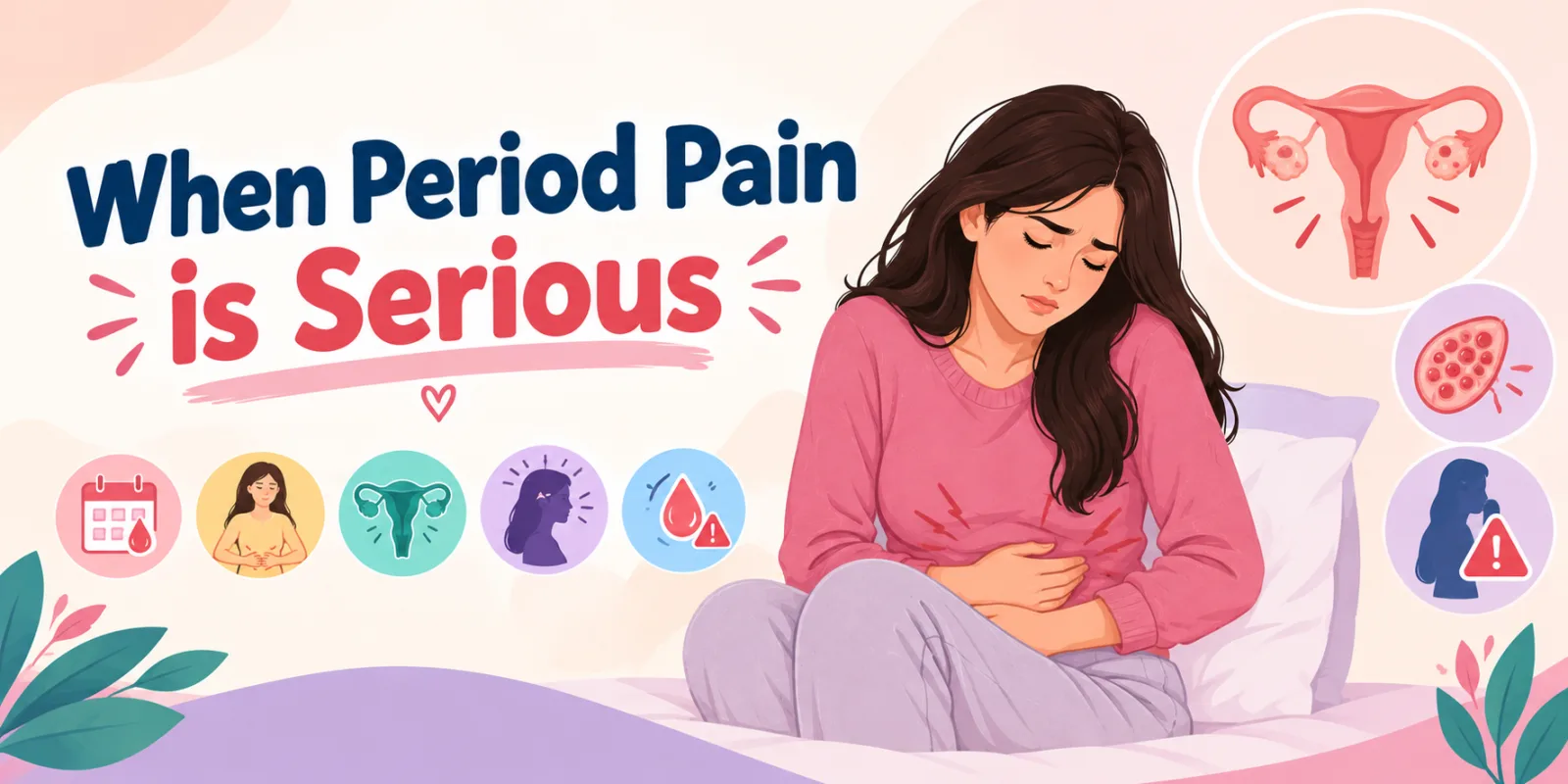
What is Period Pain:
A lot of people experience pain with their periods. The medical name for period pain is dysmenorrhoea. This can be anything from dull achy cramps to intense pain that feels unmanageable and cannot be easily relieved.
What is Considered "Normal" Period Pain?
To understand when pain becomes serious, it helps to know what is common. Most women experience some cramping due to prostaglandins—chemicals that cause the uterus to contract to shed its lining.
When it happens: Typically just before or on the first day of the period.
Duration: Usually lasts for 1–2 days.
Intensity: Mild to moderate, usually manageable with over-the-counter pain relief, a heating pad, or light exercise.
Primary vs. Secondary Dysmenorrhea
Understanding the cause of your pain is vital to treating it.
Primary Dysmenorrhea: This is common, often starting in adolescence. It is caused by high prostaglandin levels, not by an underlying disease. It typically improves with age or after pregnancy.
Secondary Dysmenorrhea: This is caused by an underlying disorder in the reproductive organs, such as infections, infections, or growths.
Potential Underlying Causes for Severe Pain
If you have secondary dysmenorrhea, it could be caused by several conditions:
Endometriosis: This is one of the most common causes of extreme period pain. It occurs when tissue similar to the lining of the uterus grows outside the uterus, usually on the ovaries or fallopian tubes, causing severe pain, inflammation, and scarring.
Uterine Fibroids: These are noncancerous growths in the uterine wall that can cause intense pressure and pain.
Adenomyosis: This occurs when the uterine lining grows into the muscle wall of the uterus, causing it to become enlarged and painful.
Pelvic Inflammatory Disease (PID): An infection of the reproductive organs that can cause chronic pelvic pain.
Cervical Stenosis: A condition where the opening of the cervix is very small, which can hinder the flow of blood, causing intense pressure and cramps.
Red Flags: When Period Pain is Serious
You should contact your healthcare provider or a gynecologist if your period pain crosses the line from uncomfortable to alarming. Key indicators of serious pain include:
1. Pain That Interrupts Daily Life
If you regularly have to miss school or work, or if you cannot leave your bed, that is not normal. If your pain stops you from enjoying your life or doing daily activities, it is a significant red flag.
2. Pain Medication is Ineffective
If you take nonsteroidal anti-inflammatory drugs (NSAIDs) like ibuprofen or naproxen and they provide little to no relief, it suggests the pain is caused by something more intense than standard muscle contractions.
3. Pain Worsens Over Time
If you have historically had light cramps, but your cramps are becoming progressively more severe and painful with each passing month, you should seek a diagnosis, as this is a sign of a progressive condition.
4. Severe Pain After Age 25
While many women experience severe pain in their teens and early twenties, suddenly developing new, severe pain at age 25 or older may indicate an underlying, acquired condition.
5. Pain Outside of Your Period
Painful periods are usually limited to the first few days of bleeding. If you experience intense pain in the middle of your cycle (ovulation) or at times other than your period, it is not normal.
6. Pain During or After Sex
Painful intercourse, known as dyspareunia, is a common symptom of endometriosis and other pelvic conditions. If intimacy causes pain or discomfort that lasts for hours, you should discuss this with your doctor.
7. Gastrointestinal or Urinary Distress
Severe cramping accompanied by painful, diarrhea-like symptoms, or intense pain when urinating or moving your bowels, suggests that the pain is originating outside the uterus.
8. Heavy or Irregular Bleeding
If your cramps are accompanied by excessive bleeding—such as needing to change your tampon or pad every 1-2 hours—or if your periods last for more than 7 days, this is a serious warning sign.
Next Steps: Diagnosis and Treatment
You do not have to "live with it." A gynecologist can help identify the root cause of your pain. Typical diagnostics include a pelvic exam, ultrasound, and in some cases, a laparoscopy (a minor surgery to look directly at the pelvic organs).
Treatment options depend on the cause but may include:
Hormonal Birth Control: Pills, patches, or IUDs (like Mirena) can help reduce the endometrium and diminish pain.
Prescription Pain Relievers: Stronger NSAIDs than those available over the counter.
Surgery: In some cases, to remove fibroids or endometriosis tissues.
Lifestyle Changes: Regular exercise, heat therapy, and managing stress.
Conclusion:
Severe period pain is a valid health issue, not a sign of weakness. If your cramps disrupt your daily life, are getting worse, or are accompanied by other symptoms like pain during sex or heavy bleeding, it is time to consult a doctor. Early diagnosis of conditions like endometriosis can prevent long-term, chronic pain and fertility issues.


