Wellness
UNDERSTANDING PCOS COMPLICATIONS
PCOS is more than irregular periods — it can affect fertility, metabolism, heart health, mental wellbeing, and overall quality of life. This article explains the major complications linked to PCOS, including infertility, diabetes, high blood pressure, weight gain, anxiety, depression, and sleep issues. It also highlights the importance of early diagnosis, healthy lifestyle changes, and medical care to manage symptoms and reduce long-term health risks.
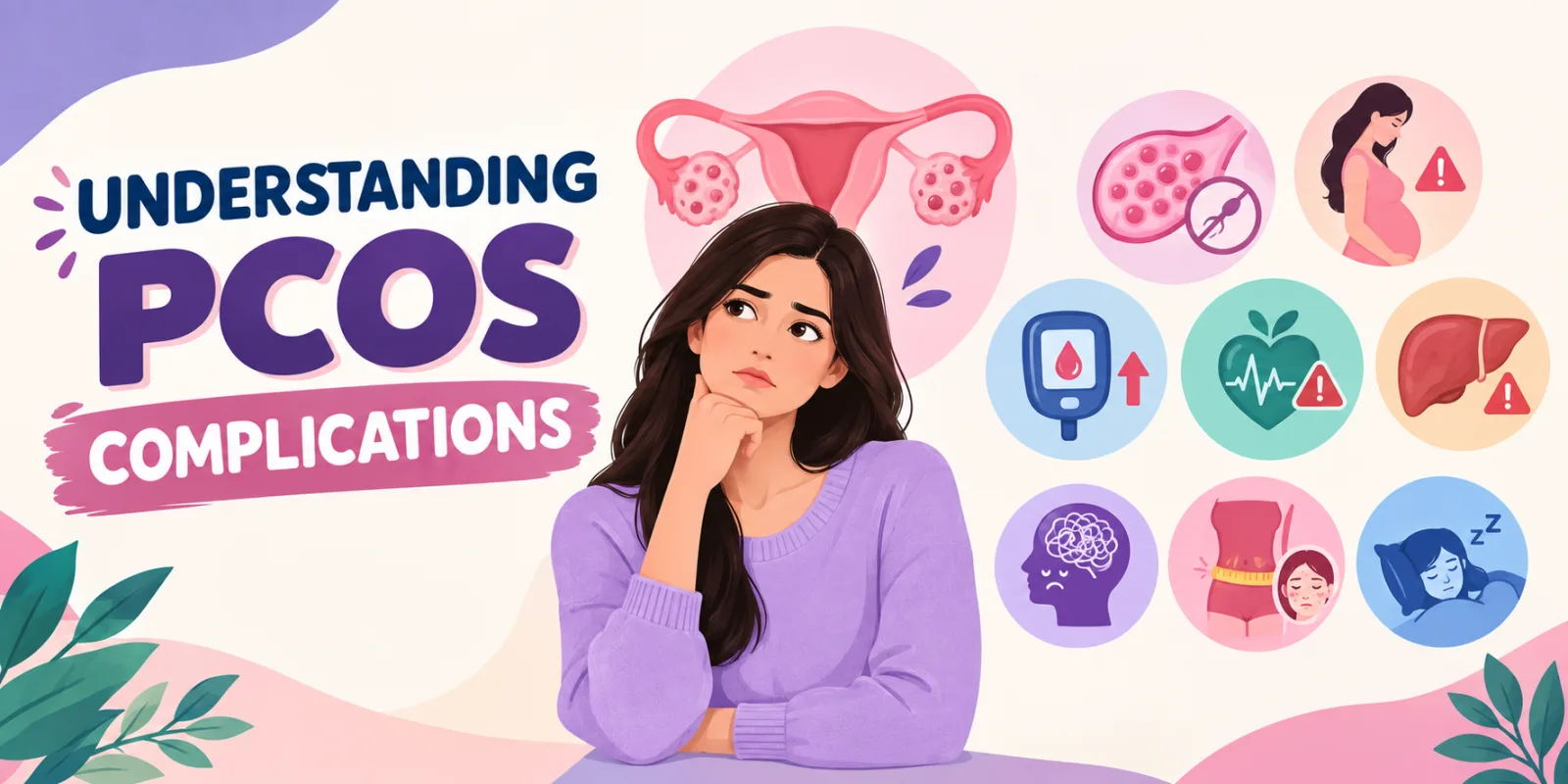
UNDERSTANDING PCOS COMPLICATIONS
What is PCOS:
Polycystic Ovary Syndrome (PCOS) is a common hormonal disorder in reproductive-aged women, characterized by elevated androgens, irregular periods, and small ovarian cysts.
1. Reproductive and Obstetric Complications: The hallmark of PCOS is hormonal imbalance, specifically elevated androgens (male hormones) and a disrupted ratio of luteinizing hormone (LH) to follicle-stimulating hormone (FSH). This leads to several reproductive challenges:
● Infertility: PCOS is the leading cause of anovulatory infertility, accounting for approximately 75% of such cases. The lack of regular ovulation makes it difficult to conceive.
● Pregnancy Risks: For those who do conceive, there is a higher prevalence of: ○ Gestational Diabetes: High blood sugar levels during pregnancy.
o ○ Preeclampsia: Pregnancy-induced high blood pressure that can damage organ systems.
o ○ Miscarriage and Preterm Birth: A significantly increased risk of spontaneous loss or premature delivery.
● Endometrial Cancer: Chronic or intermittent lack of ovulation leads to continuous estrogen exposure without enough progesterone to "oppose" it. This can cause the uterine lining (endometrium) to thicken abnormally (endometrial hyperplasia), which increases the long-term risk of endometrial cancer.
2. Metabolic and Cardiovascular Complications:
PCOS is deeply linked to insulin resistance, where the body’s cells do not respond effectively to insulin, causing the pancreas to produce more. This metabolic dysfunction triggers a cascade of issues:
● Type 2 Diabetes: More than 50% of women with PCOS may develop type 2 diabetes or prediabetes before age 40.
● Metabolic Syndrome: A cluster of conditions including high blood pressure, high blood sugar, and abnormal cholesterol that increases the risk of heart disease and stroke.
● Cardiovascular Disease: Women with PCOS often show early signs of atherosclerosis (hardening of the arteries). They are at higher risk for:
o ○ Hypertension: Chronic high blood pressure.
o ○ Dyslipidemia: High levels of "bad" LDL cholesterol and triglycerides, and low "good" HDL cholesterol.
● Non-Alcoholic Steatohepatitis (NASH): A severe liver inflammation caused by fat buildup, which can lead to permanent liver damage.
3. Psychological and Lifestyle Complications:
The physical symptoms of PCOS such as weight gain, severe acne, and facial hair (hirsutism),can take a heavy toll on mental well-being.
● Mood Disorders: Women with PCOS are three times more likely to experience depression and five times more likely to face anxiety compared to those without the condition.
● Body Image and Eating Disorders: Social stigma surrounding infertility and physical changes often leads to low self-esteem, negative body image, and disordered eating patterns.
● Sleep Apnea: Particularly in those who are overweight, PCOS is linked to obstructive sleep apnea, a condition where breathing repeatedly stops and starts during sleep. Management and Prevention: While there is no cure, early diagnosis through organizations like PCOS Challenge or ACOG is vital.
Management typically involves:
● Lifestyle Changes: Weight loss and diet are the first-line treatments to improve insulin sensitivity.
● Medications: Metformin for insulin resistance, oral contraceptives for cycle regulation, and Clomid for ovulation induction.


