Mental Health
PREMENSTRUAL SYNDROME AND PREMENSTRUAL DYSPHORIC DISORDER
PMS and PMDD are more than “mood swings.” They are real hormonal conditions that can affect emotions, energy, sleep, appetite, and daily life. This article explains the symptoms, causes, emotional impact, and management of PMS and PMDD in simple language. From lifestyle changes and nutrition to medical treatment and mental health support, it highlights how understanding hormonal changes can help women manage their cycles with awareness, support, and confidence.
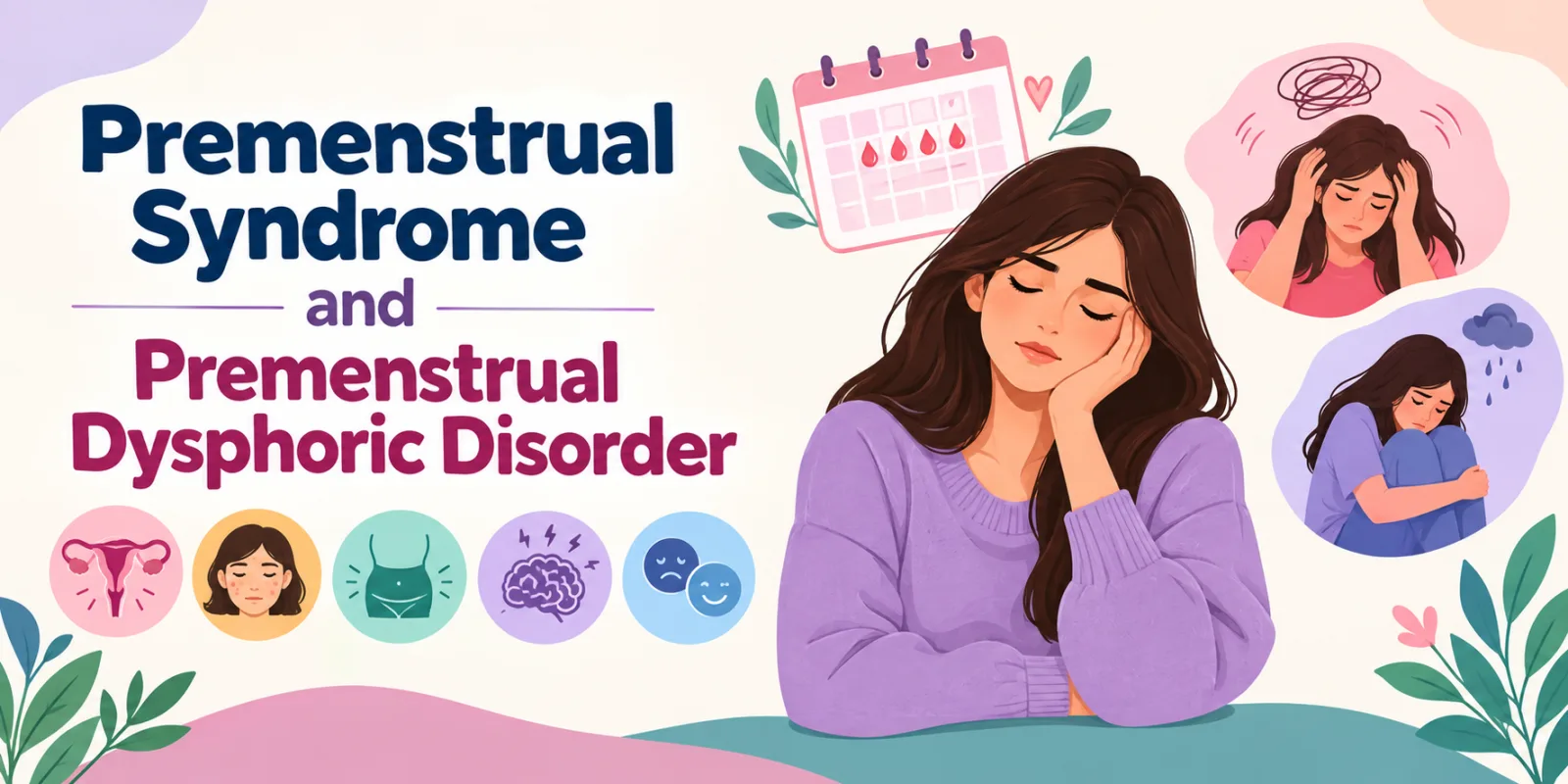
PREMENSTRUAL SYNDROME AND PREMENSTRUAL DYSPHORIC DISORDER
Imagine your body as a finely tuned orchestra. For most of the month, the instruments play in harmony, estrogen and progesterone rise and fall like gentle waves, serotonin flows steadily, and life feels balanced. Then, in the luteal phase-the two weeks after ovulation—the conductor seems to lose the score. The music turns chaotic.
Premenstrual syndrome, or PMS, describes physical and emotional symptoms that begin a week or two before your period. Most people who menstruate have at least one or more symptoms of PMS. The symptoms can be like a predictable but annoying discord of bloating, tender breasts, fatigue, and irritability that arrives like an uninvited guest and leaves when menstruation begins.
On the other hand, Premenstrual Dysphoric Disorder (PMDD) is a more serious form of PMS and has symptoms (bloating, headaches and breast tenderness) in the weeks before their period. But PMDD also causes severe anxiety, depression and mood changes. Some people with PMDD become suicidal. Hormonal birth control and antidepressants can relieve symptoms.
SYMPTOMS OF Premenstrual Syndrome:
Some of the Physical symptoms are:
Headache
Pelvic Pain
Fatigue
Bloating and gassy feeling.
Breast Soreness
Acne flare up
Emotional symptoms:
The most common emotional signs of PMS are:
Irritability or lashing out toward others
Mood swings
Changes in your sex drive
Feeling anxious, sad or having crying spells
Brain fog or trouble concentrating
Food cravings or increased/decreased appetite
Having trouble sleeping (insomnia)
SYMPTOMS OF PREMENSTRUAL DYSPHORIC DISORDER:
Anger or irritability.
Feeling on edge, overwhelmed or tense.
Anxiety and panic attacks.
Depression and suicidal thoughts.
Difficulty concentrating.
Fatigue and low energy.
Food cravings, binge eating or changes in appetite.
Headaches.
Insomnia.
Mood swings.
CAUSES OF THESE SYMPTOMS:
The exact cause is unknown. But most healthcare providers believe PMS happens due to hormonal changes related to your menstrual cycle.
Symptoms usually show up around ovulation, when levels of estrogen and progesterone increase. Once your period begins, these hormone levels drop for a few days, and then, will start to rise again. These hormonal changes may be to blame for PMS. Some people are more sensitive to hormonal fluctuations, which may explain why PMS affects everyone differently.
You may be more prone to PMDD if you have:
Anxiety or depression.
PMS.
Family history of PMS, PMDD or mood disorders.
Personal history of trauma, abuse or other highly stressful events.
Sometimes the causes can be also due to
Poor Lifestyle
Heavy Stress
And Lack of Sleep and improper food or vitamin deficiency.
Real stories illuminate the contrast. One woman recalls PMS as "monthly fog": She'd feel bloated, tired, and mildly grumpy, powering through with exercise and herbal tea. Then came PMDD. "It was like someone flipped a switch," she shared. "I'd go from laughing with friends to sobbing uncontrollably, convinced everyone hated me. I'd rage at my partner over nothing, then hate myself for it. The guilt was crushing." Another described the luteal phase as "wearing someone else's skin"-paranoid, exhausted, and detached, counting days until relief. These aren't rare outliers; forums and support groups overflow with similar tales of isolation turning to validation upon diagnosis.
MANAGEMENT:
Lifestyle Changes: The Foundation for Both PMS and PMDD
Start here, as these non-drug approaches often provide noticeable benefits with minimal risk and support overall health.
Regular physical activity — Aim for at least 30 minutes of moderate exercise most days, such as brisk walking, swimming, running, or yoga. Aerobic movement helps reduce stress, boost endorphins, lift mood, and lessen physical discomfort like cramps and bloating.
Balanced nutrition — Focus on whole foods: increase fruits, vegetables, whole grains, and complex carbohydrates while cutting back on salt (to curb bloating and fluid retention), caffeine, alcohol, sugary treats, and fatty foods in the two weeks before your period. Some evidence points to calcium-rich foods (or supplements around 1,200 mg/day) and possibly magnesium or vitamin B6 for mood and physical symptom relief, though results vary.
Quality sleep — Prioritize 7–9 hours nightly with consistent bed and wake times to stabilize your internal clock and reduce irritability or emotional lows.
Stress reduction techniques — Incorporate relaxation practices like deep breathing, meditation, mindfulness, or progressive muscle relaxation. These can calm the nervous system and ease emotional turbulence.
Avoid tobacco — Smoking can worsen symptoms, so quitting or reducing use often helps.
Many women find these habits sufficient for milder PMS, and they complement any medical treatments for PMDD.
Over-the-Counter (OTC) Options for Symptom Relief
For physical complaints that disrupt comfort, try these readily available remedies:
Nonsteroidal anti-inflammatory drugs (NSAIDs) — Ibuprofen (Advil, Motrin IB), naproxen sodium (Aleve), or similar options effectively reduce breast pain, cramps, headaches, and general aches when started at symptom onset or preemptively.
Acetaminophen (Tylenol) or aspirin — Alternatives for pain if NSAIDs aren't suitable.
Diuretics (in some cases) — For persistent bloating or swelling when diet and exercise aren't enough, though prescription versions like spironolactone are more targeted.
These target physical symptoms well but offer limited help for severe mood issues.
Prescription Medications: Key for Moderate to Severe Cases:
When lifestyle measures fall short, especially for PMDD where mood symptoms dominate, evidence strongly supports these options:
Selective Serotonin Reuptake Inhibitors (SSRIs) — The gold-standard first-line treatment for PMDD and severe PMS mood symptoms. Options like fluoxetine (Prozac, Sarafem), sertraline (Zoloft), or paroxetine (Paxil) boost serotonin levels, dramatically easing irritability, anxiety, depression, and emotional swings. They often work quickly (within days) and can be taken daily for steady coverage or intermittently (luteal-phase only, starting mid-cycle) to minimize side effects. Guidelines from sources like ACOG, Mayo Clinic, and others endorse them with strong to moderate evidence.
Hormonal birth control — Combined oral contraceptives that prevent ovulation stabilize hormones and reduce cyclical fluctuations. Those containing drospirenone (e.g., certain Yaz formulations) show particular benefit for both physical and emotional symptoms in PMDD. Other forms like the patch or vaginal ring may help too—it often takes trial to find the best fit.
Other options for refractory cases — In tough situations, providers might consider SNRIs (e.g., venlafaxine), GnRH agonists (temporary "chemical menopause"), or additional therapies, but these are conditional and monitored closely.
Additional Supportive Approaches:
Cognitive Behavioral Therapy (CBT) — Evidence-based talk therapy helps reframe negative thoughts, build coping skills, and manage stress/anxiety triggers. It's strongly recommended for affective symptoms.
Complementary options — Some women explore herbal supplements like chasteberry (Vitex agnus-castus), evening primrose oil, or calcium/magnesium, with mixed but promising evidence for mild relief—discuss with a provider to avoid interactions.
Support networks — Joining groups or seeking counseling provides validation and practical tips.
Treatment is highly individual—what works best depends on your symptoms, severity, and preferences. For mild PMS, lifestyle tweaks and OTCs often suffice. For PMDD, SSRIs or hormonal options combined with lifestyle changes yield the strongest results. Track symptoms over a couple of cycles (using apps or journals) to guide discussions with your healthcare provider—gynecologist, psychiatrist, or women's mental health specialist. If mood symptoms feel overwhelming or include suicidal thoughts, seek immediate professional help via crisis lines or emergency care.
With the right combination, most women find significant relief and can navigate their cycles with greater ease and confidence. You're not alone, and effective management is within reach.


