Disease Prevention
PCOS: Symptoms and Daily Care
PCOS is a common hormonal condition that can affect periods, skin, weight, fertility, and emotional health. This article explains the common symptoms of PCOS — including irregular periods, acne, facial hair, weight gain, and insulin resistance — along with simple daily care tips for better hormonal balance. From healthy eating and exercise to stress management and skincare, it highlights how small lifestyle changes can help women manage PCOS with confidence and improve overall wellbeing
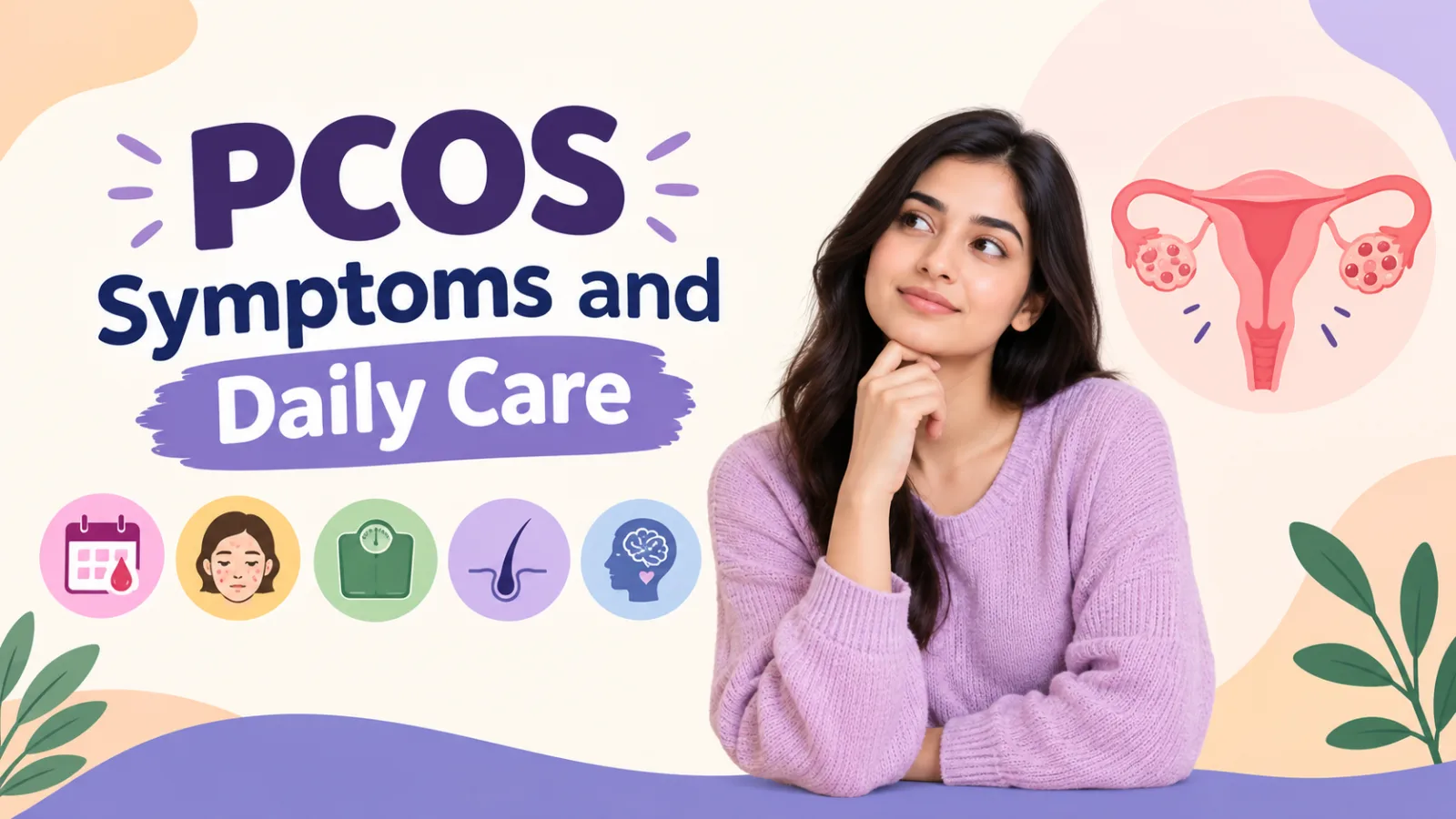
PCOS: Symptoms and Daily Care
“If your periods come with more drama than a daily soap, your skin rebels every month, and your weight refuses to listen — then PCOS might be the reason.”
Polycystic Ovary Syndrome (PCOS) is a common hormonal disorder affecting women of reproductive age. It is characterized by an imbalance of reproductive hormones, which creates problems in the ovaries, often leading to irregular periods, elevated male hormones (androgens), and multiple small cysts on the ovaries.
While it is a lifelong condition with no known cure, proactive daily care and lifestyle modifications can effectively manage symptoms, improve fertility, and prevent long-term health complications like diabetes and heart disease.
Common Symptoms of PCOS
Symptoms of PCOS often appear around the first menstrual period, though some women develop them later, especially after gaining weight. Due to high androgen levels and insulin resistance, symptoms can range from mild to severe and vary widely.
1. Irregular or Missed Periods
“In PCOS, periods don’t follow a calendar. They follow their own mood.”
The most common sign is menstrual dysfunction, including oligomenorrhea (fewer than nine periods a year), amenorrhea (absence of menstruation), or periods that last many days or are unexpectedly heavy.
2. Hyperandrogenism (High Male Hormones)
“PCOS can give you acne like a teenager and facial hair like a villain origin story — both courtesy of high androgens.”
Elevated androgen levels lead to symptoms such as:
Hirsutism: Excess facial and body hair growth on the chest, stomach, and back
Acne: Persistent or severe acne on the face, chest, and upper back
Male-pattern Baldness: Thinning hair on the scalp
3. Polycystic Ovaries
Ovaries may increase in size and contain numerous small follicles (often miscalled “cysts”). These are immature follicles that failed to ovulate.
4. Metabolic Changes
“You can eat one biscuit and gain weight, while someone else eats the whole packet and stays the same — PCOS logic.”
Weight Gain: Especially around the abdomen
Insulin Resistance: Leading to increased risk of type 2 diabetes
Skin Changes: Acanthosis nigricans — dark, velvety patches on the neck, armpits, or under the breasts
5. Fertility Issues
“PCOS does not mean infertility — it means fertility with a little extra planning.”
PCOS is one of the most common causes of infertility due to irregular ovulation. Fewer eggs released = fewer chances to conceive.
6. Psychological Symptoms
“PCOS affects more than ovaries — it affects confidence, mood, and how women see themselves in the mirror.”
PCOS is associated with higher rates of anxiety, depression, low self-esteem, and body image concerns.
Daily Care and Lifestyle Management for PCOS
Since PCOS is a metabolic and endocrine disorder, daily lifestyle management is the first line of treatment. These habits help improve insulin sensitivity, reduce androgen levels, and support hormonal balance.
1. Diet and Nutrition: Low Glycemic Load
Managing blood sugar is crucial because insulin resistance drives many PCOS symptoms.
Focus on Whole Foods: High-fiber vegetables, lean proteins, healthy fats
Limit Refined Carbs & Sugar: Avoid white bread, sugary drinks, processed snacks
Anti-inflammatory Foods: Berries, leafy greens, nuts, seeds, turmeric
2. Regular Physical Activity
Exercise improves insulin sensitivity and supports weight management.
Aim: At least 150 minutes of moderate activity per week
Best Combination: Strength training + cardio for maximum metabolic benefits
3. Weight Management
Losing even 5–10% of body weight can significantly improve menstrual regularity, ovulation, and metabolic health.
4. Skincare Routine
High androgens increase sebum and worsen acne.
Use non-comedogenic products
Dermatologist-recommended ingredients: salicylic acid, benzoyl peroxide, or retinoids
5. Hair Removal Techniques
While hirsutism cannot be fully prevented, options include:
Shaving, waxing, threading
Laser hair removal for long-term reduction
6. Stress Management
Stress worsens hormonal imbalance.
Daily care can include:
Yoga
Meditation
Deep breathing
Adequate sleep
Journaling or mindfulness exercises
When to Seek Medical Advice
If you have symptoms of PCOS, it’s important to consult a doctor. A diagnosis usually requires two of the following:
Irregular periods
High androgen levels
Polycystic ovaries on ultrasound
Medical treatment may include:
Birth Control Pills: Regulate periods, reduce androgens
Metformin: Improves insulin resistance
Fertility Medications: Support ovulation if trying to conceive
“PCOS is a condition to be managed, not a label to be feared.”
GEWO Health
“At GEWO Health, we help women understand their hormones, manage PCOS with confidence, and take control of their wellbeing—one informed step at a time.”


