Wellness
MENSTRUAL HYGIENE AWARENESS
Menstrual hygiene is essential for health, comfort, and confidence. This article explains menstruation, safe hygiene practices, product care, hand hygiene, disposal methods, and common myths around periods. It encourages open conversations, awareness, and access to clean facilities and menstrual products. Understanding periods without shame helps create healthier, safer, and more supportive communities for everyone.
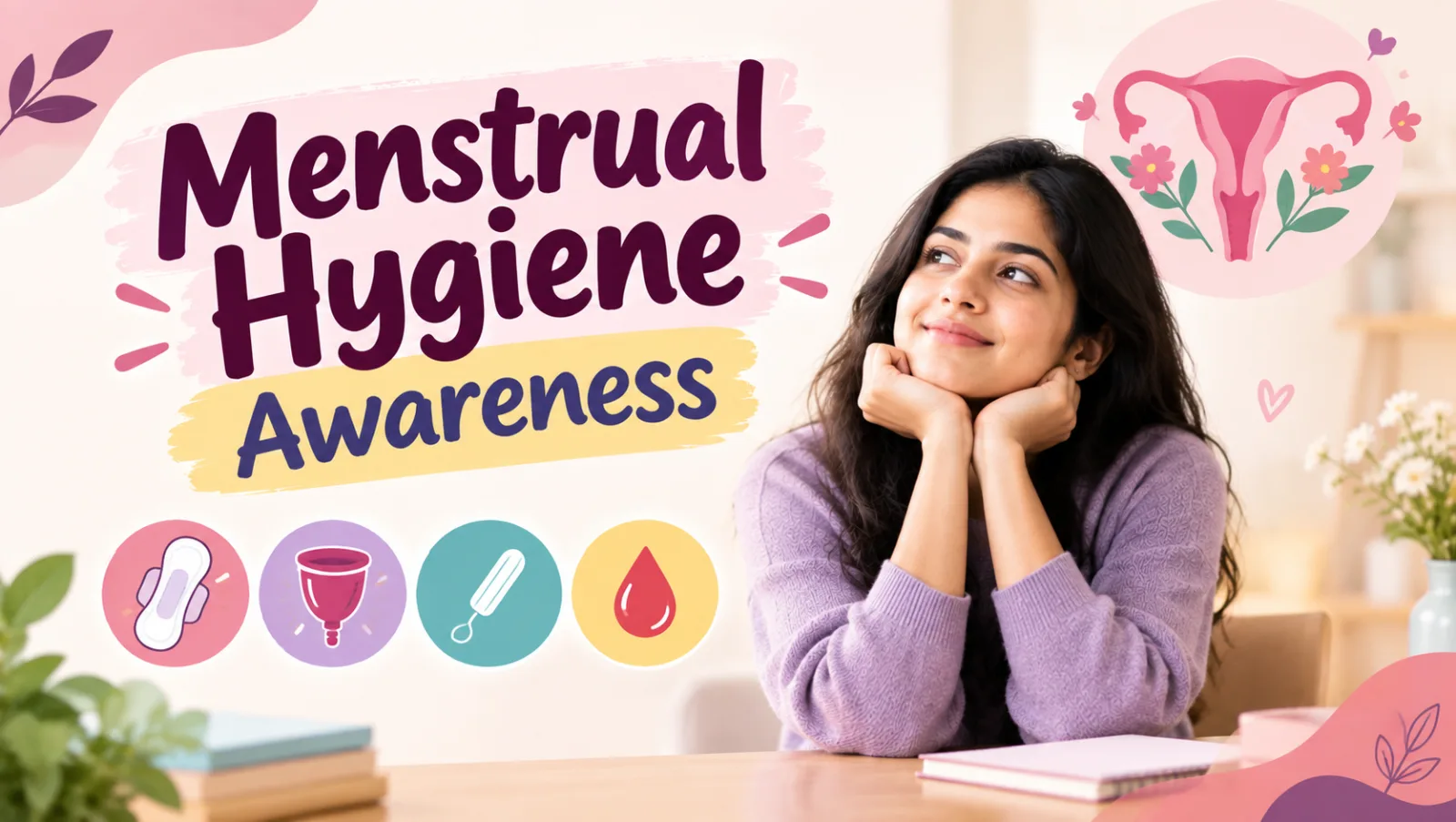
MENSTRUAL HYGIENE AWARENESS
What is Menstruation:
The process of discharging blood and other material from the lining of the uterus, usually occurring at intervals of about 28 days from puberty until menopause (except during pregnancy) and typically lasting for a few days i.e (2-5) days.
Menstrual hygiene is important for your health – it can help prevent infections, reduce odors, and keep you comfortable during your period.
Menstrual Hygiene Day
Each year on May 28, Menstrual Hygiene Day is observed to highlight good menstrual hygiene practices during your period and to raise awareness.
Essential Menstrual Hygiene Practices
Promoting awareness involves educating individuals on safe practices to prevent health complications. The Centers for Disease Control and Prevention (CDC) and other health organizations recommend the following habits:
Product Management:
Sanitary Pads: Change every 4 to 8 hours, regardless of how light the flow is and use cotton pads and chemical free pads and plastic material pads.
Tampons: Must be changed every 4 to 8 hours to prevent Toxic Shock Syndrome (TSS). Always use the lowest absorbency needed.
Menstrual Cups: A sustainable option that must be cleaned daily and sanitized in boiling water after each cycle.
Personal Care: Regular bathing is essential to stay clean and reduce the risk of odor or infection.
Even bathing twice can help.
Safe Disposal: Never flush menstrual products. They should be wrapped—ideally in paper—and discarded in designated waste bins to maintain environmental hygiene.
B. Daily Care and Sanitization
Hand Hygiene: Always wash hands with soap before and after changing a menstrual product to prevent the transfer of bacteria.
Cleaning the Area: The vagina is a self-cleaning organ. Avoid using harsh soaps, "feminine hygiene" sprays, or douches, as these disrupt the natural pH balance and can cause yeast infections. Warm water is sufficient.
Safe Disposal: Menstrual waste should never be flushed down the toilet, as it clogs sewage systems. Products should be wrapped in paper and placed in a dedicated waste bin.
Overcoming Myths: Fact vs. Fiction
Awareness is the best weapon against misinformation. Let’s debunk some common myths:
Myth-Menstrual blood is "dirty."
Fact-Menstrual blood is just blood and tissue from the uterine lining. It is a sign of a healthy reproductive system.
Myth-You shouldn't exercise during your period.
Fact-Exercise can actually help reduce cramps by releasing endorphins.
Myth-Menstrual products can take your virginity.
Fact-Virginity is a social construct; using a tampon or cup does not change your status.
Myth-Periods must be kept a secret.
Fact-Hiding periods fosters shame. Open conversation ensures access to help and healthcare.
How You Can Make a Difference
You don't need to be a policymaker to drive change. Menstrual hygiene awareness starts at the grassroots level:
Talk About It: Normalize the word "period." Use it in daily conversation to remove the "shock value."
Donate: Support organizations like Period.org or local NGOs that distribute hygiene kits to marginalized communities.
Advocate for Facilities: If you are an employer or student, advocate for clean, private toilets with soap and disposal bins in your office or school.
Educate the Next Generation: Ensure that children of all genders are taught about the menstrual cycle before they reach puberty.


